Lavezzi Islands
Overview
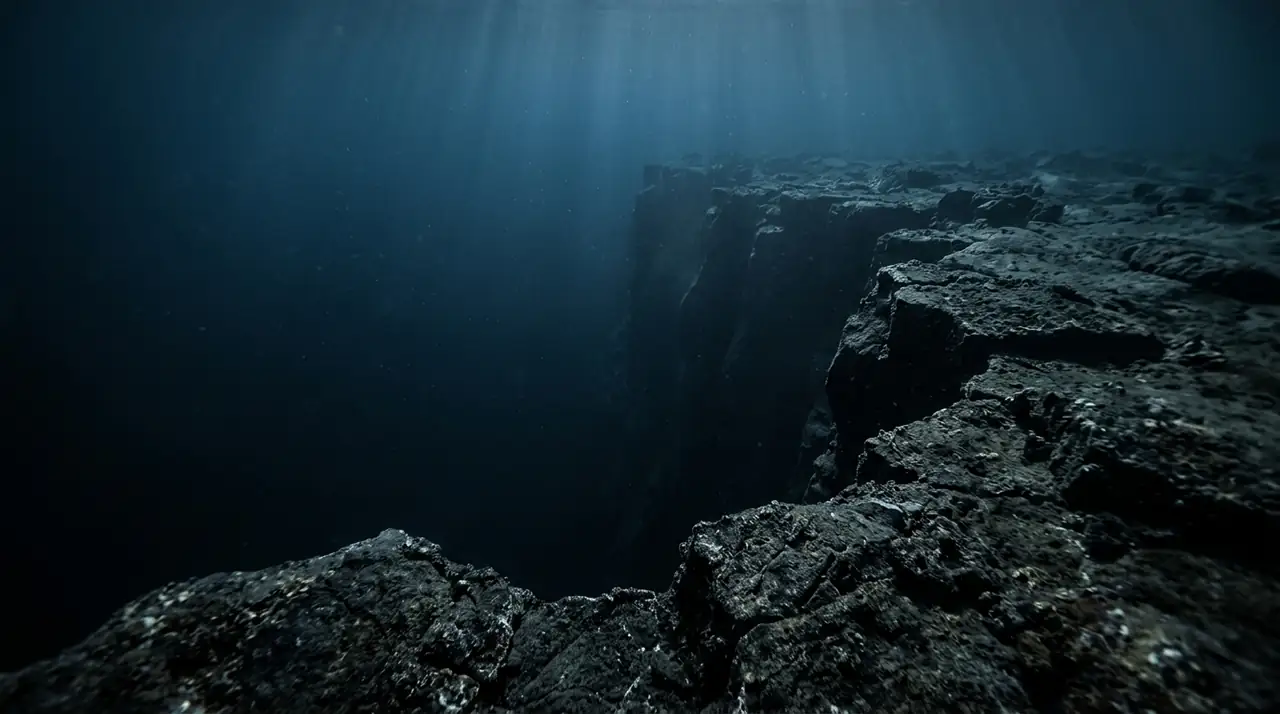
The Lavezzi Islands scatter across the Strait of Bonifacio like granite sculptures dropped by giants, a cluster of weather-beaten islets between the southern tip of Corsica and the northern coast of Sardinia. Protected since 1982 as part of the Bouches de Bonifacio Nature Reserve, these waters have become one of the Mediterranean's most impressive demonstrations of what protection achieves. The groupers here are legendary, approaching divers with a confidence born of four decades without a speargun pointed in their direction. The boat ride from Bonifacio passes beneath the town's spectacular cliff-edge citadel, through the narrow harbour mouth, and into the strait where current and wind meet. The Lavezzi archipelago appears as a collection of rounded granite forms, smooth and sculptural, rising from waters that shift between deep blue and brilliant turquoise depending on the bottom below. Descending through water of startling clarity, the underwater landscape matched the surface drama. Enormous granite boulders, smoothed by millennia of current, create canyons, swim-throughs, and overhangs. The visibility regularly exceeded 30 metres, allowing entire reef structures to be perceived from a distance. And everywhere, groupers. I counted twelve dusky groupers on a single dive at Merouville, aptly named. The largest easily exceeded 50 kilograms, a dark torpedo-shaped presence that approached me with slow purpose, examined my camera port from 30 centimetres, then drifted away with utter indifference. These fish behave as apex predators should when unmolested by humans. Their size and density speak to decades of effective protection. Beyond the groupers, the reef life at Lavezzi is rich by Mediterranean standards. Red scorpionfish hide among the rocks in perfect camouflage. Moray eels share crevices with banded shrimp. In deeper sections, red coral branches grow from overhangs and yellow gorgonian fans filter the current. Schools of Mediterranean barracuda cruise the edges where reef meets open strait. The currents that bring clarity also demand respect. Timing dives with tidal flow is essential, and exposed sites on the wrong tide can be beyond recreational limits. This is not destination for passive divers, but for those who appreciate Mediterranean diving at its very finest, Lavezzi delivers consistently.
Early access
Plan a dive here
Open the DiveOne planner to sketch a recreational plan before you go. It is a planning assistant, not a dive computer.
Marine life
Dive profile
DEPTH PROFILE
DEPTH PROGRESSION & WAYPOINTS: Lavezzi Islands
Location
Frequently asked questions
What regulations apply to diving at the Lavezzi Islands?
The Lavezzi Islands fall within the Bouches de Bonifacio Nature Reserve and the international marine park shared between France and Italy. Diving is strictly regulated with different zones. The integral reserve zone around Lavezzi Island requires diving with an authorised guide and is limited to specific sites with maximum group sizes. No anchoring is permitted, and boats must use mooring buoys. Some areas are completely closed to diving. All dive centres in Bonifacio hold necessary permits and include reserve fees in dive prices. Night diving is prohibited throughout the reserve.
How challenging are the currents at the Lavezzi Islands?
Currents in the Strait of Bonifacio can be significant, particularly around exposed points and channels between islets. The strait funnels water between Corsica and Sardinia, and tidal and wind-driven currents can reach 2 to 3 knots at peak flow. Dive centres time their visits carefully with tide tables and weather conditions, choosing sheltered sites on strong current days and exposed sites during slack periods. Intermediate certification with current diving experience is recommended. Dive operators will brief thoroughly on current management and may cancel specific sites if conditions exceed safe limits for the group.
Why are the groupers at Lavezzi so large and approachable?
The Lavezzi Islands have been protected since 1982, giving dusky groupers over four decades of complete protection from fishing. These long-lived fish, which can reach 40 years of age and 60 kilograms in weight, have had generations to grow to full maturity and lose their fear of humans. The result is groupers that actively approach divers with curiosity rather than fleeing. Some individuals are so familiar with dive groups that researchers have identified them by their markings and given them names. This behaviour is unique to well-established marine reserves and demonstrates the powerful effect of long-term protection.
Reviews
Reviews
No reviews yet
Data Provenance
This profile is compiled from 3 operator submissions and 142 community logs. Key facts (depth, entry) are verified against official hydrographic charts.