Late Island
Overview
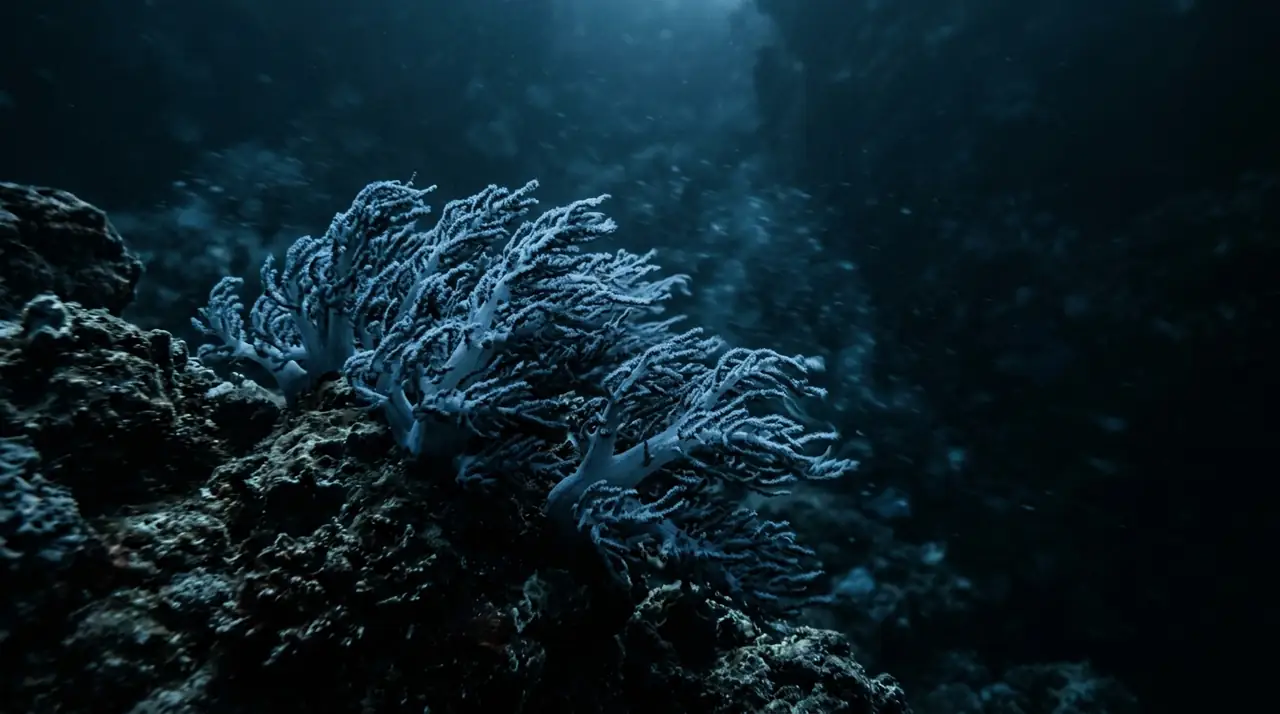
Late Island is a volcanic cone rising from the Pacific Ocean floor in Tonga's Ha'apai group, its uninhabited slopes covered with dense tropical vegetation that reaches to a summit over five hundred metres above sea level. No humans live on Late. No buildings, roads, or structures of any kind interrupt the forest that cloaks its flanks. The island exists in a state of natural completeness that is increasingly rare in the modern Pacific, and its underwater environment reflects this isolation with reef systems that have developed without the pressures of fishing, pollution, or coastal modification. We reached Late Island after a five-hour passage from Pangai aboard a charter vessel, the island appearing first as a smudge on the horizon that grew into a steep green peak trailing a banner of cloud from its summit. The volcanic origin was visible in the island's symmetrical cone shape and the dark basalt rock that formed its coastline. No beach softened the transition from land to sea; the forest ended and the rock began, dropping vertically into water that was so clear the reef was visible to depths that seemed improbable. The first dive was on the island's western wall, where the volcanic slope continued underwater in a near-vertical drop-off that my depth gauge registered as starting at five metres and continuing beyond the limits of recreational diving. The wall face was alive with coral growth that had achieved a density and diversity I had rarely seen outside of the Coral Triangle. Hard corals covered every available surface: massive Porites heads, delicate branching Acropora, encrusting Montipora, and plate corals that extended from the wall face like shelves in an infinite library.
Early access
Plan a dive here
Open the DiveOne planner to sketch a recreational plan before you go. It is a planning assistant, not a dive computer.
Marine life
Dive profile
DEPTH PROFILE
DEPTH PROGRESSION & WAYPOINTS: Late Island
Location
Frequently asked questions
How do I get to Late Island for diving?
Late Island is accessible only by boat, either from the Ha'apai Group's main island of Lifuka, where the town of Pangai serves as the regional hub, or via liveaboard vessels that include Late Island in their Tongan itineraries. The boat journey from Pangai takes approximately four to five hours depending on sea conditions. Some charter boats operate multi-day trips from Pangai that include Late Island as their primary destination. Liveaboard operations from Nuku'alofa, Tonga's capital, occasionally include Late Island in extended itineraries. There are no facilities on the island itself: no fresh water, no shelter, and no communication infrastructure. All supplies, equipment, and support must be carried by the visiting vessel.
When is the best time to dive Late Island?
The primary diving season coincides with the humpback whale season from July to October, when mothers and calves migrate to Tonga's warm waters for nursing. During this period, underwater whale encounters are possible, and surface sightings are virtually guaranteed. The sea conditions are generally calmest from September to November, though the whale season begins to wind down by late October. Water temperatures range from twenty-four degrees in July to twenty-eight degrees in November. Visibility is typically excellent at twenty to forty metres, with the clearest conditions during the drier months. The cyclone season from December to April makes visits inadvisable due to unpredictable weather and rough seas.
What level of diving experience is needed for Late Island?
Late Island diving requires advanced certification and significant open-water experience. The remote location means that the nearest recompression chamber is in Fiji, several hours away by air. The wall diving includes depths exceeding thirty metres, and the volcanic topography creates complex underwater terrain with overhangs and caverns. Currents around the island can be strong and unpredictable, particularly at points and headlands. Self-sufficiency is important as there is no shore support. A minimum of fifty logged dives and experience with wall diving and moderate currents is recommended. Emergency oxygen and first aid equipment must be carried by the support vessel.
Reviews
Reviews
No reviews yet
Data Provenance
This profile is compiled from 3 operator submissions and 142 community logs. Key facts (depth, entry) are verified against official hydrographic charts.