Lake Titicaca
Overview
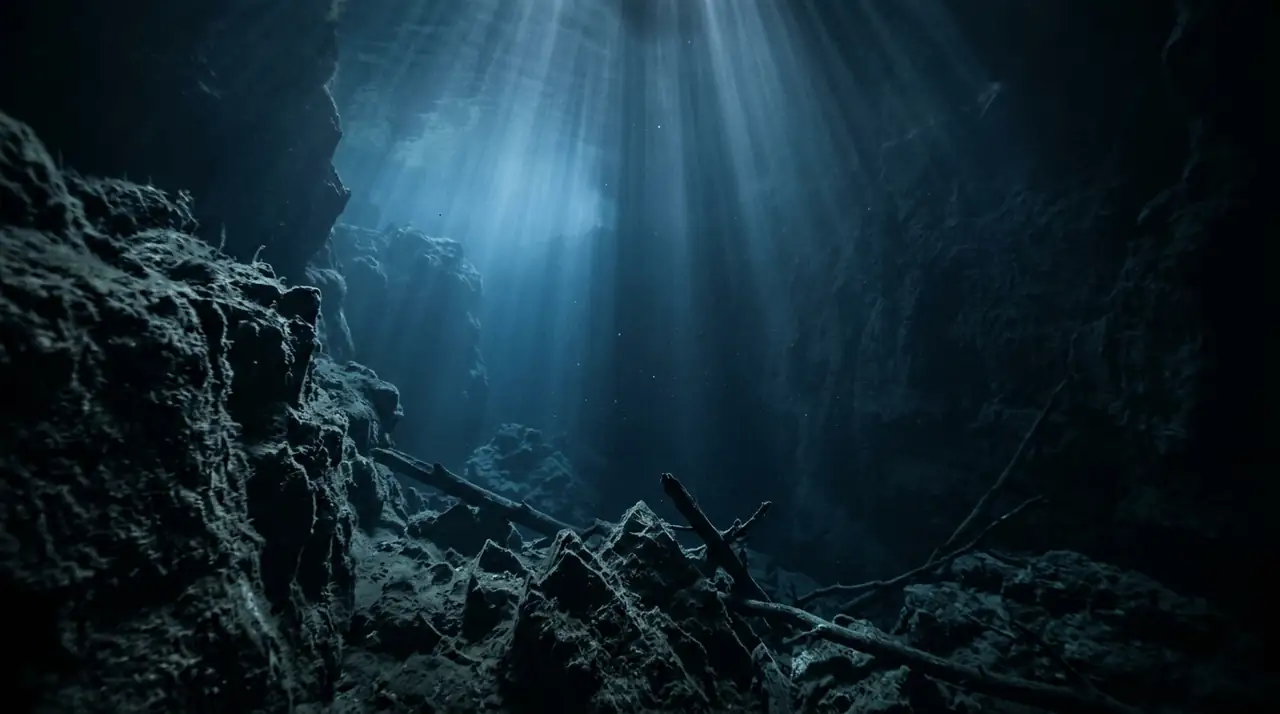
Lake Titicaca straddles the border of Peru and Bolivia at a staggering 3,812 metres above sea level, making it the world's highest navigable lake and one of the most extraordinary freshwater dive sites on the planet. With a surface area exceeding 8,300 square kilometres and a maximum depth of 281 metres, this ancient body of water has existed for millions of years and holds profound cultural significance as the mythical birthplace of the Inca civilisation. Diving in Lake Titicaca is an exercise in adaptation. The extreme altitude means atmospheric pressure is roughly 60 percent of sea-level values, fundamentally altering decompression physiology. Standard dive tables must be adjusted using altitude correction factors, and conservative depth limits are essential. Most operators limit recreational dives to 30 metres, which at this altitude has a physiological effect equivalent to a significantly deeper sea-level dive. Acclimatisation to the altitude itself is critical, and divers should spend at least two days at elevation before entering the water. The underwater landscape is otherworldly. Visibility ranges from 5 to 15 metres depending on season and location, with the best clarity during the dry season from May to October. The water is cold, typically between 10 and 14 degrees Celsius, requiring a dry suit or at minimum a thick semi-dry. The lake bed near the islands features submerged stone structures and terraces attributed to Inca and pre-Inca civilisations, including the Tiwanaku culture that predates the Inca by centuries. Exploring these archaeological remnants beneath the surface is a deeply moving experience. The lake's endemic wildlife adds scientific fascination. The critically endangered Lake Titicaca giant frog lives in deeper water, while various species of killifish and catfish inhabit the shallows. The reed beds along the shore, made of totora reeds that the local Uros people also use to build their floating islands, shelter a hidden world of aquatic invertebrates. This is not a dive for comfort or for ticking species off a list. It is a pilgrimage to one of the most unique environments on Earth, where culture, history, and extreme geography converge beneath an impossibly blue high-altitude sky.
Early access
Plan a dive here
Open the DiveOne planner to sketch a recreational plan before you go. It is a planning assistant, not a dive computer.
Marine life
Dive profile
DEPTH PROFILE
DEPTH PROGRESSION & WAYPOINTS: Lake Titicaca
Location
Frequently asked questions
What are the challenges of diving at Lake Titicaca's altitude?
At 3,812 metres above sea level, Lake Titicaca presents unique altitude diving challenges. The reduced atmospheric pressure means decompression tables must be adjusted significantly, as standard recreational tables are designed for sea level. Divers need at least 48 hours to acclimatise to the altitude before diving, and many experience altitude sickness during the acclimatisation period. Nitrox is rarely available locally.
What underwater archaeological sites exist in Lake Titicaca?
Archaeological expeditions have discovered submerged Inca and pre-Inca stone structures, terraces, and ritual objects in the shallow waters around the lake's islands. The most significant finds have been near Isla del Sol in Bolivia, where underwater ruins date back to the Tiwanaku civilisation. While most of these sites are accessed by scientific expeditions, some recreational dive operators offer guided dives to accessible archaeological features.
What is the giant Lake Titicaca frog?
Telmatobius culeus, the Lake Titicaca giant frog, is an endangered species endemic to the lake. These remarkable amphibians can grow up to 50 centimetres long and have evolved extremely loose, baggy skin that increases their surface area for absorbing oxygen directly from the water. They are rarely seen by divers as they prefer deeper water, but they represent one of the most unique endemic species in any freshwater diving destination.
Reviews
Reviews
No reviews yet
Data Provenance
This profile is compiled from 3 operator submissions and 142 community logs. Key facts (depth, entry) are verified against official hydrographic charts.