Lake Atitlan Freshwater Dive
Overview
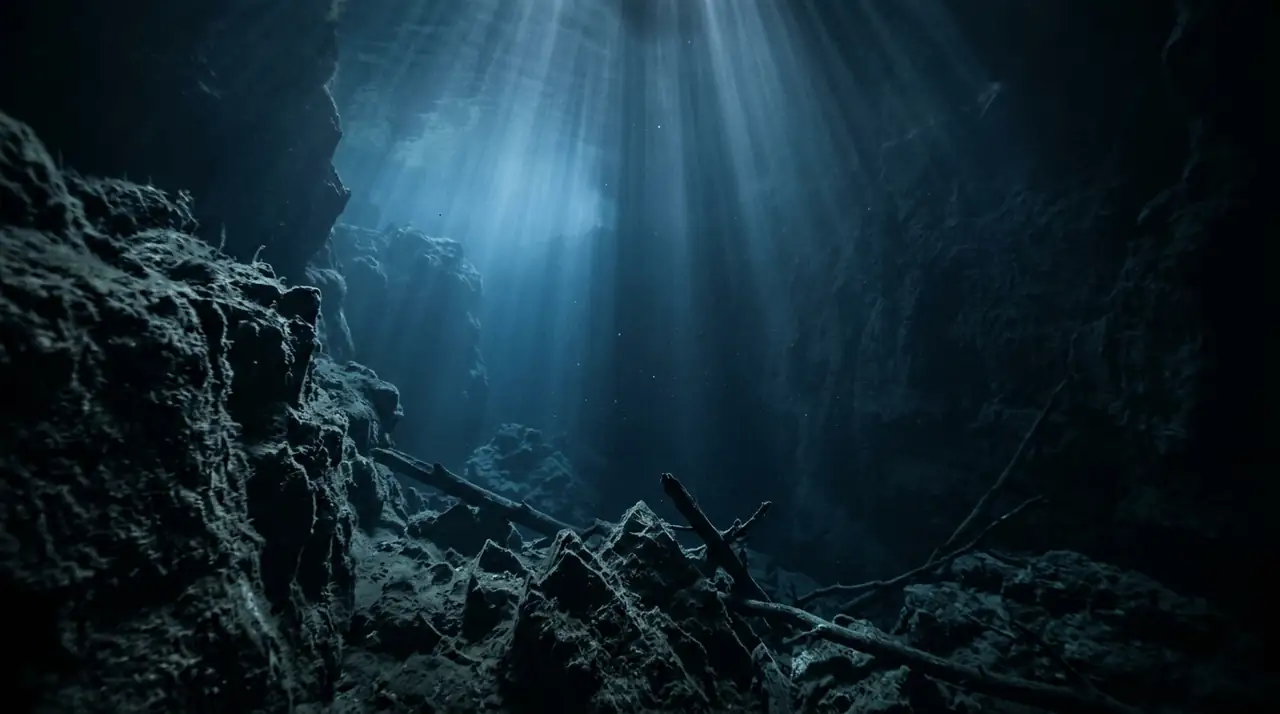
Lake Atitlan fills a volcanic caldera in the highlands of Guatemala, its deep blue surface ringed by three volcanic peaks that rise from the shoreline like sentinels guarding a secret. The Maya called it the navel of the world, and standing on its shores, watching clouds form and dissolve around the volcanic cones, you understand why they might have considered it sacred. The lake is famously beautiful above water, but its underwater world is known to very few, a dimension of the Atitlan experience that adds geological wonder and archaeological mystery to the visual spectacle of the surface. I dived Atitlan from the town of Panajachel on a December morning when the dry season had settled the lake surface into its characteristic glassy stillness. The altitude, fifteen hundred and sixty metres above sea level, required adjustments to everything: dive tables, safety stops, surface intervals, and expectations. My computer was set to altitude mode, the breathing felt slightly different in the thinner air, and the briefing included warnings about thermoclines and hydrogen sulfide layers at depth that sea-level divers never encounter. The entry was from a wooden dock on the lake's northern shore, a step into water that was initially warm, twenty-two degrees at the surface, but descended quickly through layers of decreasing temperature. The first thermocline hit at eight metres, the water dropping four degrees in less than a metre of vertical distance, a sensation like swimming through an invisible wall of cold. The visibility above the thermocline was perhaps eight metres, tinted green by suspended algae; below it, the water cleared to twelve metres and shifted to a deep blue that reflected the volcanic bedrock of the caldera.
Early access
Plan a dive here
Open the DiveOne planner to sketch a recreational plan before you go. It is a planning assistant, not a dive computer.
Marine life
Dive profile
DEPTH PROFILE
DEPTH PROGRESSION & WAYPOINTS: Lake Atitlan Freshwater Dive
Location
Near Panajachel, in the Solola Department region of Guatemala.
Frequently asked questions
What special considerations apply to altitude diving at Lake Atitlan?
Lake Atitlan sits at approximately fifteen hundred and sixty metres above sea level, requiring significant adjustments to standard dive tables and computer algorithms. The reduced atmospheric pressure at altitude means that nitrogen loading occurs differently than at sea level, and standard no-decompression limits must be modified. Most dive computers have altitude mode settings that should be activated before diving. Conservative dive profiles are essential, with reduced bottom times and extended safety stops. Divers should arrive at altitude at least twelve hours before diving to allow some acclimatisation. Flying after diving requires additional surface intervals beyond the standard recommendations. All dive centres at Lake Atitlan are experienced with altitude diving procedures and will brief divers thoroughly on the adjustments required.
What are the submerged Mayan structures at Lake Atitlan?
Several pre-Columbian structures lie submerged along the lake's shores, believed to have been inundated by a rise in the lake level approximately two thousand years ago. The most accessible structures are found near the town of Samabaj, where stone walls, ceremonial platforms, and what appear to be altar structures are visible on the lake floor between twelve and twenty metres depth. The site was identified by recreational divers in 1996 and has since been the subject of archaeological investigation. Divers can observe the structures on guided dives, but touching or disturbing the archaeological remains is strictly prohibited. The structures are most visible during the dry season when lake levels are lower and visibility improves.
Is Lake Atitlan safe for recreational diving?
Lake Atitlan diving is safe when conducted with experienced local operators who understand the lake's unique conditions. The primary considerations are altitude diving adjustments, variable visibility that can change rapidly, and cold thermoclines below twenty metres. The lake floor drops steeply from the shoreline, reaching depths exceeding three hundred metres in the centre, making depth awareness critical. Hydrogen sulfide layers exist at greater depths and should be avoided. Two established dive centres operate on the lake, both staffed by experienced instructors who know the conditions intimately. Independent diving without local knowledge is not recommended due to the lake's complex bathymetry and altitude considerations.
Reviews
Reviews
No reviews yet
Data Provenance
This profile is compiled from 3 operator submissions and 142 community logs. Key facts (depth, entry) are verified against official hydrographic charts.