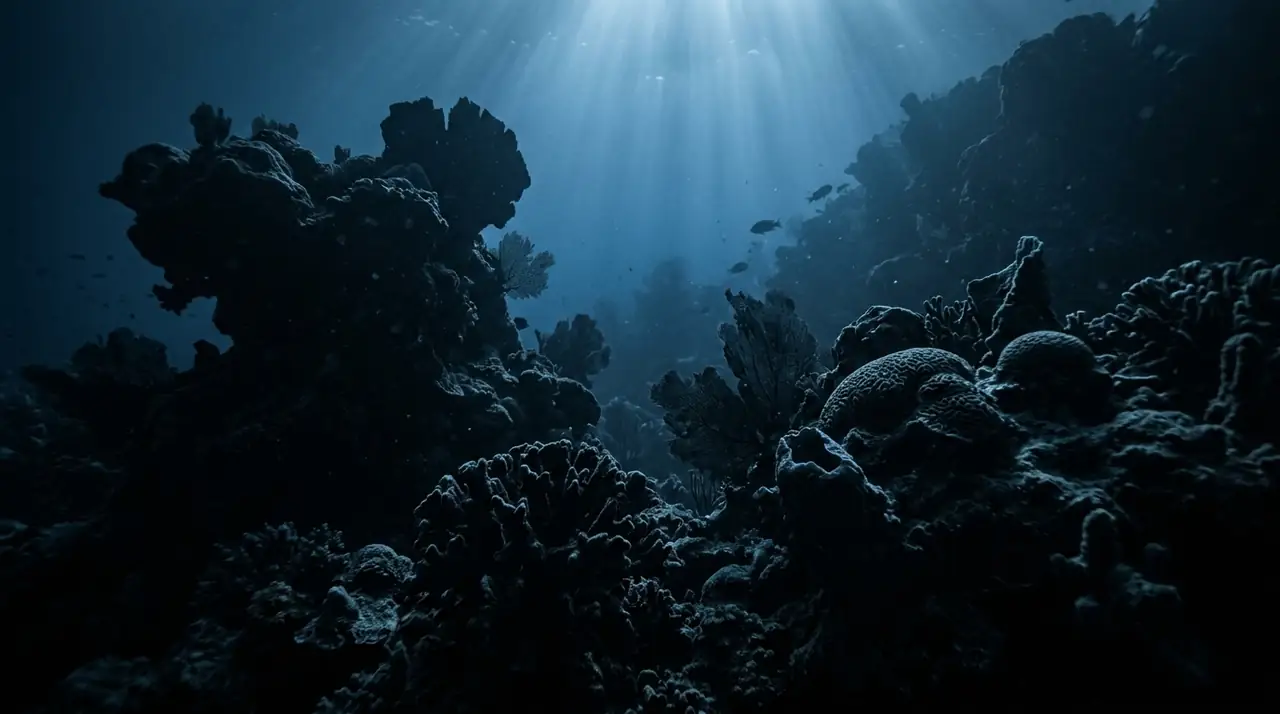
Krakatau Underwater Volcano
Overview
Diving the Krakatau caldera is unlike anything else in the diving world. This is not a pristine tropical reef. It is an active volcanic complex in the Sunda Strait between Java and Sumatra, where the 1883 eruption that killed over 36,000 people left a submerged caldera, and where Anak Krakatau, the child volcano that emerged from that caldera in 1927, continues to reshape the underwater landscape with each eruption cycle. The dive sites are scattered around the caldera walls and the submerged slopes of the original volcanic islands. Descending along a lava flow that entered the sea decades ago, the texture of the rock is immediately alien. Ropey pahoehoe formations give way to jagged aa flows, and the black basalt is slowly being claimed by pioneer corals, encrusting sponges, and hardy soft corals that represent the earliest stages of reef formation. It is evolution visible on a human timescale. The volcanic substrate creates unexpected micro-habitats. Lava tubes and collapsed formations provide shelter for groupers and moray eels. Thermal vents in some areas release warm, mineral-rich water that creates shimmering visual effects and attracts dense clouds of baitfish. The nutrient loading from volcanic activity means the water here is more productive than surrounding areas, and this translates to larger fish populations on relatively young reef structures. Blacktip reef sharks patrol the caldera walls in numbers, perhaps drawn by the concentrated prey. Schools of giant trevally hunt along the current lines where the strait's tidal flow meets the caldera topography. Napoleon wrasse of considerable size cruise the deeper walls, and dense schools of anthias coat the areas where coral growth is most established. Visibility is the variable that defines each dive. On good days, 20 metres of clarity reveals the full volcanic panorama. On challenging days, plankton blooms and volcanic sediment reduce it to 5 metres, creating an atmosphere that is moody and otherworldly rather than frustrating. Krakatau demands flexibility and an appetite for genuine adventure. It rewards with diving that exists nowhere else, on a landscape shaped by one of history's most violent geological events and still actively evolving.
Early access
Plan a dive here
Open the DiveOne planner to sketch a recreational plan before you go. It is a planning assistant, not a dive computer.
Marine life
Dive profile
DEPTH PROFILE
DEPTH PROGRESSION & WAYPOINTS: Krakatau Underwater Volcano
Location
Frequently asked questions
Is it safe to dive near an active volcano like Krakatau?
Diving around Krakatau requires careful monitoring of volcanic activity status. The Indonesian Centre for Volcanology and Geological Hazard Mitigation maintains alert levels for Anak Krakatau, and diving operations only proceed during Level 1 normal activity periods. Exclusion zones around the active cone of Anak Krakatau are strictly observed, and diving takes place on the older caldera walls and submerged slopes of the original Krakatau islands at a safe distance. Experienced operators monitor seismic activity daily and will cancel trips if conditions change.
What makes the diving here different from normal reef diving?
Krakatau diving is fundamentally a geological experience with marine life as a bonus. The underwater landscape consists of lava formations, volcanic rubble, black sand slopes, and occasional thermal vents that create shimmering water. Coral communities here are pioneer species, the first colonisers of relatively young volcanic substrate, and watching this process of reef building in its earliest stages is scientifically fascinating. Visibility can be variable due to volcanic sediment and plankton-rich upwellings, and conditions are genuinely unpredictable.
How do I arrange diving at Krakatau?
Diving Krakatau is an expedition undertaking. A handful of operators in Anyer on Java's west coast and Bandar Lampung in Sumatra offer multi-day boat trips to the Krakatau archipelago. The crossing takes 3 to 5 hours depending on departure point and sea conditions. Most trips combine diving with island exploration and are weather dependent. The Sunda Strait has strong tidal currents and can be rough outside the calm season of May to October. This is not a walk-in dive centre situation and advance booking is essential.
Reviews
Reviews
No reviews yet
Data Provenance
This profile is compiled from 3 operator submissions and 142 community logs. Key facts (depth, entry) are verified against official hydrographic charts.