Koh Haa Lagoon
Overview
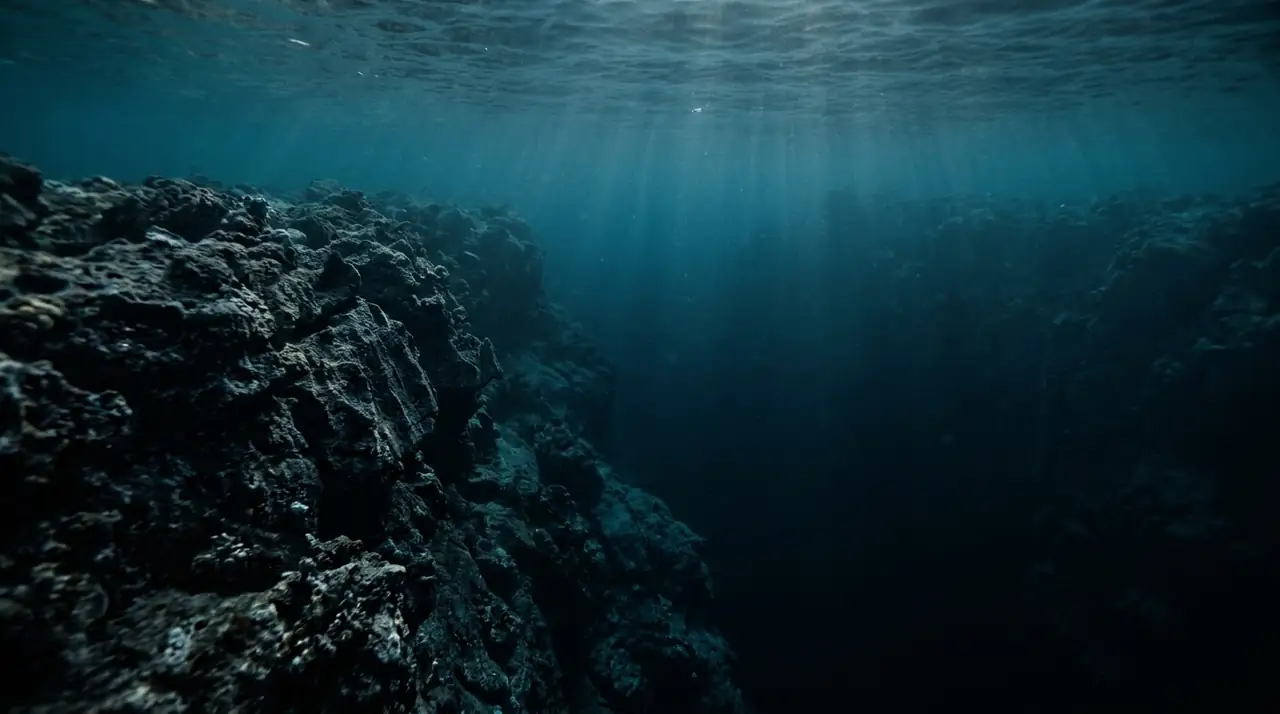
Koh Haa is a cluster of five uninhabited limestone islands rising from the Andaman Sea floor roughly twenty-five kilometres west of Koh Lanta. The lagoon formed between them creates one of Thailand's most versatile dive environments, combining caverns and swim-throughs with pristine walls and sheltered shallows in water so clear it seems illuminated from within. The dive boat crossed from Koh Lanta in an hour of calm seas on a January morning. The five islands emerged from the horizon as jagged limestone pillars, their bases undercut by millennia of wave erosion and their summits crowned with impossible tropical vegetation clinging to vertical rock. The lagoon between them was protected from all swell, its surface a mirror reflecting the white limestone. We descended inside the lagoon first. The bottom is clean white sand at twelve metres, dotted with garden eels that retract with mechanical precision at our approach. Bamboo sharks rested beneath coral overhangs at the lagoon edges, their banded juvenile forms curled into tight circles. The walls of the islands drop vertically from the waterline, encrusted with soft corals in purple and orange that intensify with depth. The cavern entrance on the western island appeared as a dark arch at fourteen metres. Entering with our guide, the space opened into a chamber ten metres wide. Light from the entrance created a shifting blue gradient across the limestone ceiling. The guide signalled upward, and we ascended through a narrowing chimney into an air-filled dome where we surfaced, removed regulators, and breathed cave air while looking down at our bubbles dissolving in impossibly blue water below. Outside the lagoon on the eastern face, the wall drops more steeply and the current picks up slightly. Here the macro life intensified. A harlequin shrimp pair worked on an overturned sea star in a crevice at eighteen metres, their flattened claws patterned in purple spots. Nudibranchs of half a dozen species crawled across the reef. A seahorse gripped a sea fan with its prehensile tail, perfectly matching the fan's orange colour, visible only because our guide had marked the location. The final section threaded through a swim-through at eight metres, where natural light entered from both ends and soft coral curtains draped the ceiling. A banded sea krait emerged from the far end, flowing past us with sinuous efficiency before rising to the surface for air. Koh Haa delivers the rare combination of dramatic scenery and intimate macro detail, all wrapped in conditions calm enough for any experience level.
Early access
Plan a dive here
Open the DiveOne planner to sketch a recreational plan before you go. It is a planning assistant, not a dive computer.
Marine life
Dive profile
DEPTH PROFILE
DEPTH PROGRESSION & WAYPOINTS: Koh Haa Lagoon
Location
Frequently asked questions
Can beginners dive at Koh Haa Lagoon?
Koh Haa Lagoon is one of the best sites in the Andaman Sea for beginner and recently certified divers. The lagoon itself is shallow, calm, and sheltered by the surrounding limestone islands, creating pool-like conditions on many days. The sandy bottom at 12 to 14 metres provides a reassuring depth limit. Several Koh Lanta dive shops use the lagoon for Discover Scuba Diving experiences and Open Water certification dives. More advanced sections including the deeper walls and caverns outside the lagoon require intermediate skills and good buoyancy control.
What are the caverns like at Koh Haa and do I need cave training?
The caverns at Koh Haa are technically caverns rather than caves, meaning natural light is always visible. The largest is a chamber inside one of the limestone islands accessible through a wide entrance at around 14 metres. Inside, the cavern opens into an air-filled chamber where you can surface and remove your regulator. Light enters through the underwater entrance creating dramatic blue effects. No cave or cavern certification is required, but good buoyancy control is essential to avoid disturbing silt on the floor. Experienced dive guides always accompany groups into the caverns.
How do I get to Koh Haa from Koh Lanta?
Koh Haa is located approximately 25 kilometres west of Koh Lanta in the open Andaman Sea. Dive boats from Koh Lanta reach the site in about one hour. Most Koh Lanta dive operators offer day trips visiting two or three of the five Koh Haa islets. The islands are uninhabited and have no facilities, so all equipment and refreshments come from the boat. During the high season from November to April, conditions are typically excellent with calm seas and visibility often exceeding 25 metres.
Reviews
Reviews
No reviews yet
Data Provenance
This profile is compiled from 3 operator submissions and 142 community logs. Key facts (depth, entry) are verified against official hydrographic charts.