Kekova Sunken City
Overview
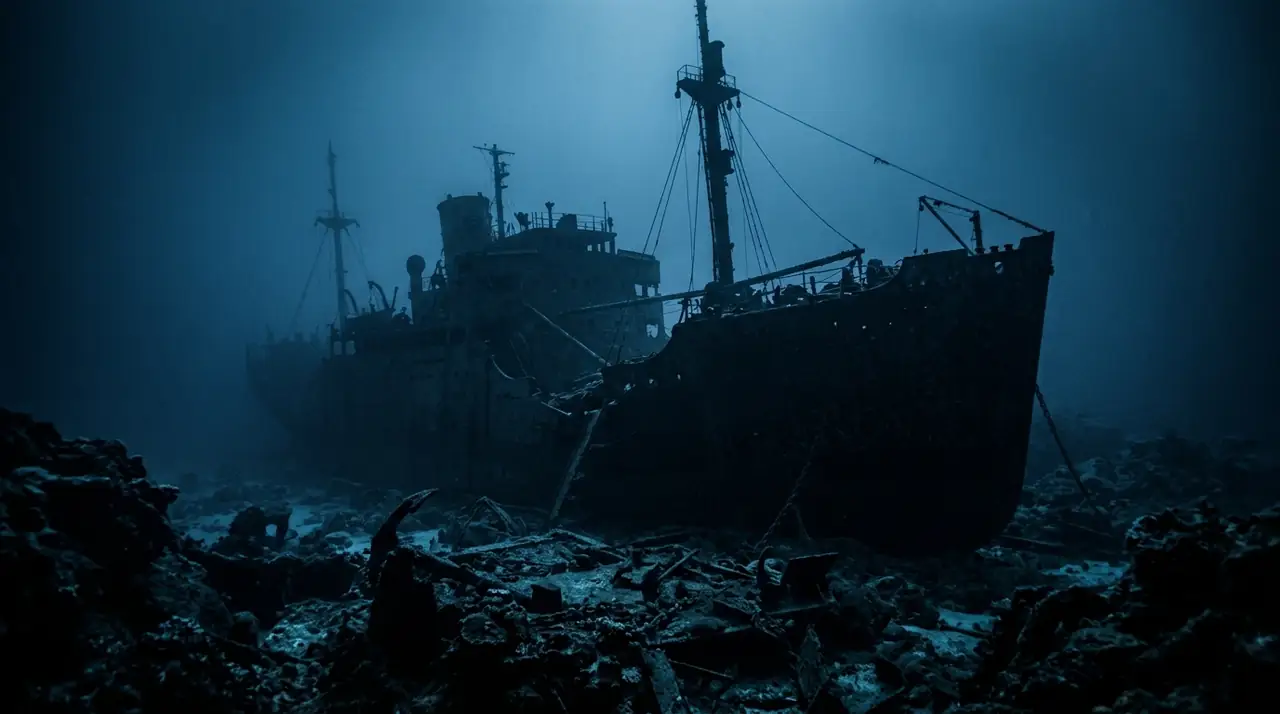
Kekova is an elongated island off Turkey's Lycian coast, separated from the mainland by a narrow strait sheltering the remains of an ancient city swallowed by the Mediterranean. In the 2nd century AD, earthquakes collapsed the Lycian-Roman settlement of Simena, sending streets, houses, and harbour works sliding beneath the sea. What remains is one of the most evocative archaeological dive sites in the world: stone staircases descending into blue water, harbour walls traced by encrusting marine life, and building foundations visible through crystal-clear water. The boat approaches from Ucagiz village, threading between the mainland and Kekova Island through a channel that narrows to a hundred metres. On the mainland side, the village of Kalekoy clings to a hillside beneath a Byzantine castle, with Lycian rock-cut tombs carved into the cliff face above. The submerged ruins line Kekova Island's northern shore, descending from the waterline into depths of around five metres. Stone staircases are the most recognisable features, their steps worn smooth by centuries of foot traffic before the earthquakes sent them beneath the waves. Harbour walls extend outward, their stone blocks now colonised by sponges and sea grass. In some areas, the outlines of rooms are clearly visible beneath the surface. Diving around Kekova extends beyond the archaeological zone to the natural reef surrounding the island. The rocky substrate supports groupers in crevices, octopuses on the rubble, and schools of sea bream in the mid-water. Posidonia seagrass meadows carpet sandy areas between rock formations. Visibility frequently exceeds twenty metres, and shallow depths make extended dive times possible. The combination of archaeology and diving creates an experience unlike pure reef or wreck diving. Swimming over the ruins, you cross a boundary between two worlds: human history above and marine biology below, layered onto the same stone. A staircase that once carried Lycian merchants now serves as a cleaning station for damselfish. A harbour wall built to shelter trading vessels now shelters moray eels. Kekova is best experienced as part of a broader exploration of Turkey's Lycian coast, which offers some of the Mediterranean's most interesting diving combined with extraordinary onshore archaeology.
Early access
Plan a dive here
Open the DiveOne planner to sketch a recreational plan before you go. It is a planning assistant, not a dive computer.
Marine life
Dive profile
DEPTH PROFILE
DEPTH PROGRESSION & WAYPOINTS: Kekova Sunken City
Location
Frequently asked questions
Is diving allowed at Kekova Sunken City?
Diving at Kekova is regulated by the Turkish Ministry of Culture and Tourism. The sunken city area itself was designated a specially protected area in 1990, and diving in the core archaeological zone directly adjacent to Kekova Island's northern shore is restricted. However, licensed dive operators in the region offer dives at approved sites around Kekova Island where submerged ruins are visible alongside natural reef. Snorkeling over the shallow ruins is permitted from boats. The regulations aim to protect the archaeological heritage while allowing visitors to experience this unique site. Check with local operators for current access rules as they may change.
What historical ruins can be seen underwater at Kekova?
The submerged ruins at Kekova are the remains of the Lycian-Roman settlement that sank due to a series of earthquakes during the 2nd century AD. Visible underwater features include stone staircases descending into the water, harbour walls and breakwaters, building foundations, amphora fragments, and what appear to be cisterns or water storage structures. The ruins extend from the shoreline to depths of around five metres in the most accessible areas. The clarity of the water allows much to be seen from the surface. On land above the waterline, Lycian rock-cut tombs and fortress ruins at Kalekoy village complement the underwater archaeology.
How do I arrange diving at Kekova?
Diving around Kekova is typically arranged through operators based in Kas, approximately 30 kilometres to the west, or from Demre and Ucagiz, the small harbour village nearest to the ruins. Kas is the main dive centre for the region with multiple professional operators offering day trips to Kekova and surrounding sites. The boat ride from Kas takes about 45 minutes to an hour. From Ucagiz, access is shorter but fewer dive operators are based there. A full day typically combines diving at approved sites around Kekova with snorkeling over the shallower ruins and a visit to the Lycian tombs and castle at Kalekoy.
Reviews
Reviews
No reviews yet
Data Provenance
This profile is compiled from 3 operator submissions and 142 community logs. Key facts (depth, entry) are verified against official hydrographic charts.