Menjangan Kecil Reef
Overview
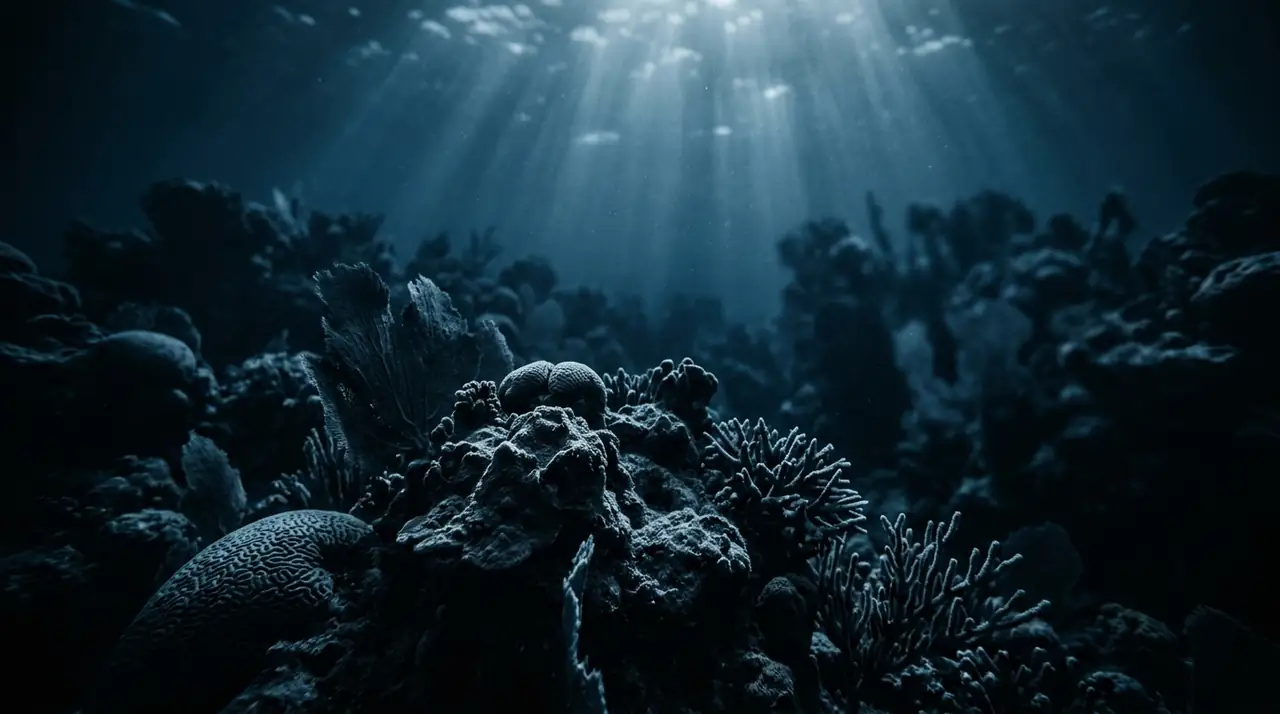
The Karimunjawa Islands rise from the Java Sea roughly 80 kilometres north of Jepara, a cluster of 27 islands wrapped in coral reefs that most international divers have never heard of. While Bali and Komodo dominate Indonesia's dive marketing, this marine national park in Central Java quietly offers some of the country's healthiest shallow reefs and most relaxed diving, with a fraction of the visitor traffic. Menjangan Kecil is one of the archipelago's standout sites, a small island whose fringing reef slopes gently into clear water on all sides. Dropping in off the boat, I found myself in a garden of hard corals so dense and varied it looked curated. Branching Acropora in electric blue, massive Porites domes encrusted with Christmas tree worms, delicate Seriatopora forming pink bushes across the substrate — the diversity within the first 10 metres of depth was remarkable. The reef's most charismatic residents made themselves known quickly. A large green turtle grazed on algae at the reef crest, completely unfazed by our approach. Within the hour, we encountered three more turtles at various depths, each going about its business with the calm indifference of animals that have not been harassed. Clark's anemonefish defended their host anemones with characteristic aggression, darting at my camera port when I lingered too long. The slope continues to a sandy bottom at around 20 to 25 metres, where blue-spotted stingrays rest and garden eels sway in gentle current. Giant clams are scattered across the reef, their mantles displaying iridescent blues and greens. Schools of fusiliers stream along the reef edge, and pairs of emperor angelfish patrol their territories with unhurried dignity. What makes Karimunjawa special is not any single spectacular encounter but the overall quality of the reef ecosystem. The corals are healthy, the fish are abundant and unafraid, and the water is warm enough for a rash guard alone. There are no ripping currents to manage, no deep walls to navigate, and no crowds to compete with. For divers seeking simple, beautiful reef diving without the logistics and expense of reaching eastern Indonesia, Karimunjawa deserves serious consideration.
Early access
Plan a dive here
Open the DiveOne planner to sketch a recreational plan before you go. It is a planning assistant, not a dive computer.
Marine life
Dive profile
DEPTH PROFILE
DEPTH PROGRESSION & WAYPOINTS: Menjangan Kecil Reef
Location
Frequently asked questions
How do I get to Karimunjawa Islands?
Karimunjawa is reached by ferry or fast boat from Jepara on Java's north coast. The express boat takes roughly two hours and runs several times per week, weather permitting. A small airport on Karimunjawa Island has occasional flights from Semarang, but the schedule is unreliable. From Jakarta or Yogyakarta, most travellers drive or take a train to Semarang, then continue by road to Jepara. The journey requires planning as boat schedules are limited and cancelled in rough seas during the wet season.
Is Karimunjawa good for beginner divers?
Karimunjawa is an excellent destination for beginners and newly certified divers. Most dive sites feature gentle sloping reefs with mild currents, warm water, and maximum depths of 15 to 25 metres. Visibility is variable but often good enough for comfortable diving. Several dive centres on the main island offer PADI courses and guided dives, and the relaxed pace of diving here — with no pressure to handle strong currents or deep walls — makes it ideal for building confidence. The snorkelling is also outstanding, making it a great choice for mixed groups.
What is the marine park entry fee for diving in Karimunjawa?
Karimunjawa Marine National Park charges an entry fee for visitors, which is collected on arrival. Foreign visitors pay a higher rate than domestic tourists, typically around 150,000 Indonesian rupiah on weekdays and more on weekends. The fee covers park entry and is valid for your stay. Dive operators usually include this in their package pricing. The marine park status provides some protection to the reefs, with no-take zones and coral restoration projects operating in several areas of the archipelago.
Reviews
Reviews
No reviews yet
Data Provenance
This profile is compiled from 3 operator submissions and 142 community logs. Key facts (depth, entry) are verified against official hydrographic charts.