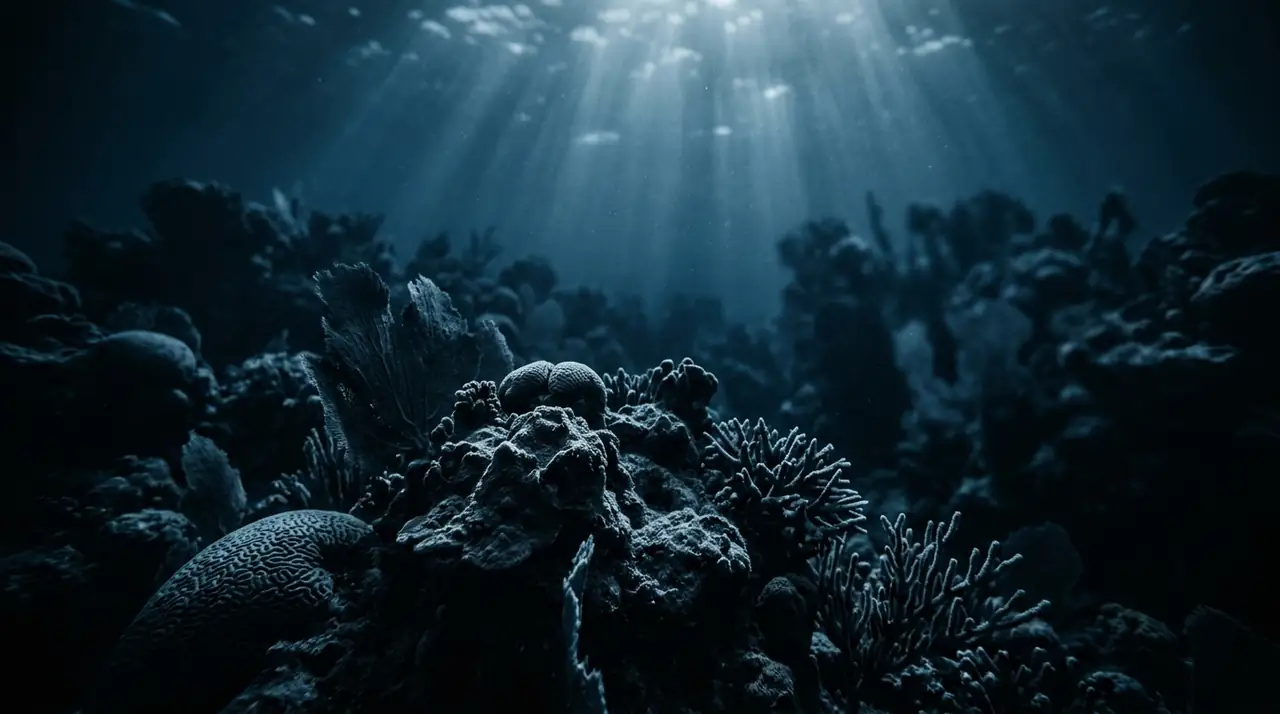
Kapalai House Reef
Overview
Kapalai House Reef is a muck diving paradise stretching beneath the stilted over-water bungalows of the Kapalai Dive Resort, built on a sand bar between Sipadan and Mabul in the Celebes Sea. While most divers come to this region chasing Sipadan's walls and sharks, the sand flats directly beneath Kapalai hide a concentration of rare and bizarre critters that rivals anywhere in the Coral Triangle. The entire resort serves as a giant artificial reef, its support pillars colonized by corals and sponges that attract a staggering variety of macro life. I have dived some of the world's premier muck sites, and Kapalai consistently delivers encounters that would be noteworthy anywhere else but seem almost routine here. Flamboyant cuttlefish — those impossibly colorful, walking cephalopods that are the holy grail for many underwater photographers — patrol the sand beneath the resort with remarkable regularity. On a single afternoon dive, I watched three separate individuals hunting across the bottom, their bodies pulsing through psychedelic color patterns. Blue-ringed octopuses emerge from coconut shells and discarded bottles that dot the sand flat, their electric blue rings flashing as warnings. Ghost pipefish hang vertically among crinoid feather stars, their camouflage so perfect that even experienced guides sometimes swim past them. Ambon scorpionfish sit motionless on rubble patches, their hairy, warty bodies defying identification until a guide points directly at them. The sunset mandarin fish display is legendary, with dozens of these tiny, exquisitely patterned fish emerging from their coral rubble homes to perform their mating dance in the fading light. Patient photographers who arrive early at the right rubble patch are rewarded with one of nature's most spectacular small-scale performances. The beauty of Kapalai House Reef is its accessibility — you simply walk down the resort steps, giant stride off the platform, and you are diving.
Early access
Plan a dive here
Open the DiveOne planner to sketch a recreational plan before you go. It is a planning assistant, not a dive computer.
Marine life
Dive profile
DEPTH PROFILE
DEPTH PROGRESSION & WAYPOINTS: Kapalai House Reef
Location
Frequently asked questions
How is Kapalai House Reef different from the Mandarin Fish Point?
While the Mandarin Fish Point is a specific section known for dusk mandarin fish displays, the House Reef encompasses the entire sand flat beneath and around the resort. The House Reef offers all-day muck diving with dozens of critter species across a much larger area. Mandarin Fish Point is essentially one highlight within the broader house reef system.
Can I do unlimited dives on the Kapalai House Reef?
Yes, resort guests can dive the house reef as often as they wish, day or night. The shore entry from the resort platform makes it easy to do multiple short dives targeting specific critters. Many photographers spend entire days on the house reef, doing four or five dives. Night dives are particularly productive for blue-ringed octopus and hunting cuttlefish.
What camera equipment is best for Kapalai House Reef?
Macro lenses are essential — a 60mm or 100mm macro lens for DSLR, or close-up wet lenses for compact cameras. Most subjects are tiny critters that reward patient, close-up photography. A good dive light or focus light is crucial for spotting cryptic species and illuminating subjects. Wide-angle equipment is not particularly useful here.
Reviews
Reviews
No reviews yet
Data Provenance
This profile is compiled from 3 operator submissions and 142 community logs. Key facts (depth, entry) are verified against official hydrographic charts.