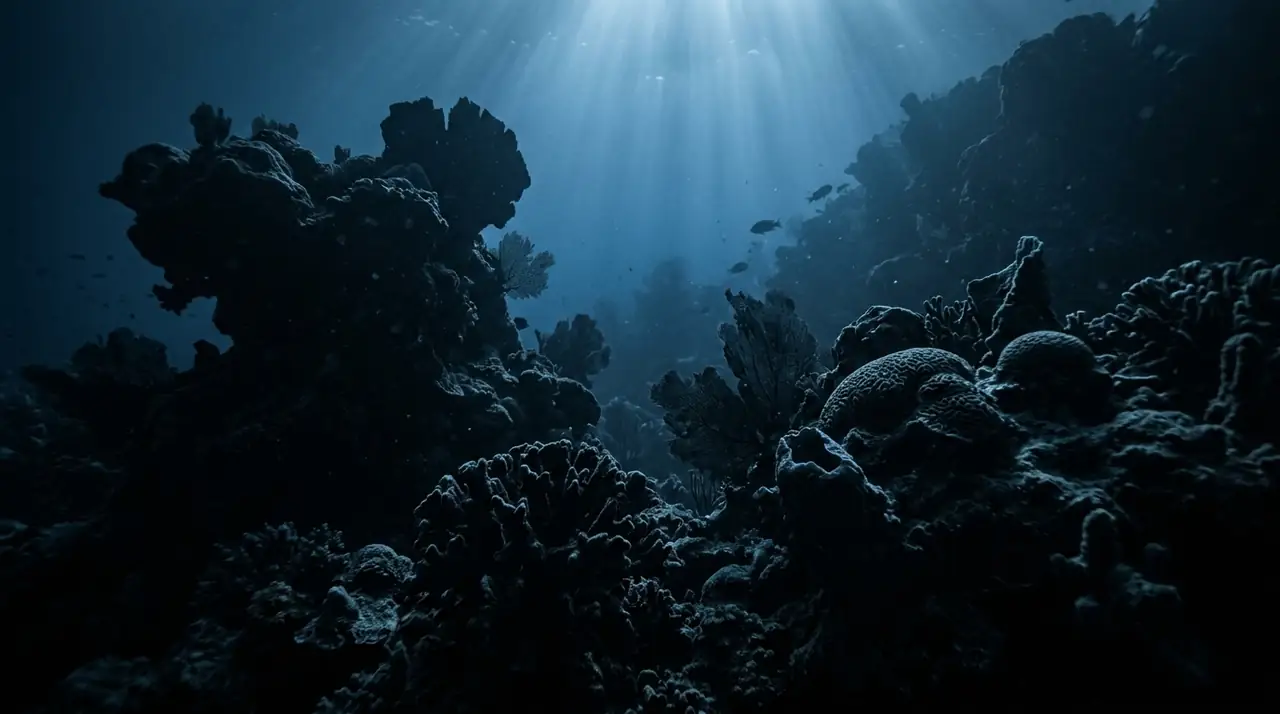
Kalpitiya Bar Reef
Overview
Bar Reef off the Kalpitiya Peninsula is Sri Lanka's largest reef system, a vast coral plateau covering over 300 square kilometres in the Palk Strait between Sri Lanka and India. Despite its size and ecological importance, Bar Reef remains one of the Indian Ocean's least-explored diving areas, a genuine frontier where recovering coral ecosystems, abundant marine life, and minimal diver traffic create an experience unlike more established destinations. The boat ride from Kalpitiya harbour is itself an event. The waters support enormous super-pods of spinner dolphins, sometimes numbering over a thousand. On my morning departure, the sea surface exploded with spinning, leaping dolphins surrounding the boat. This spectacle alone would justify the journey, but it is merely the prelude to the reef below. Bar Reef is a shallow plateau, rarely exceeding 20 metres, with coral formations rising from sandy channels. The reef experienced significant damage from blast fishing and the 2004 tsunami, but recovery is visibly underway. Table corals are re-establishing on damaged sections, and staghorn thickets are growing vigorously in newly protected areas. I descended onto reef at 12 metres where coral coverage was genuinely impressive. Healthy table corals spread in overlapping tiers, sheltering clouds of damselfish and juvenile parrotfish. A blacktip reef shark cruised along the reef edge, its distinctive fin tip unmistakable. Green turtles foraged on the reef top, and a large grouper occupied a coral head with the confidence of a fish accustomed to minimal human disturbance. What makes Kalpitiya compelling is its raw, unpackaged quality. There are no dive resort fleets, no underwater mooring systems, no briefing boards with cartoon fish. The handful of operators are passionate about the reef's potential and committed to sustainable practices. The infrastructure is basic, but the reef itself is enormous, healthy in patches, and recovering in others. For divers who value discovery over convenience, Kalpitiya's Bar Reef represents one of the Indian Ocean's most promising frontiers.
Early access
Plan a dive here
Open the DiveOne planner to sketch a recreational plan before you go. It is a planning assistant, not a dive computer.
Marine life
Dive profile
DEPTH PROFILE
DEPTH PROGRESSION & WAYPOINTS: Kalpitiya Bar Reef
Location
Near Kalpitiya, in the North Western Province region of Sri Lanka.
Frequently asked questions
How developed is diving at Kalpitiya compared to other Sri Lankan destinations?
Kalpitiya is one of Sri Lanka's least developed diving areas, with only a handful of dive operators compared to the more established centres in Hikkaduwa, Unawatuna, or Trincomalee. This limited infrastructure means fewer diver crowds but also requires advance planning and some flexibility with scheduling. Facilities are basic compared to international standards, and equipment should be checked carefully. The remoteness is part of the appeal for divers seeking frontier experiences, but those expecting resort-level diving services should adjust expectations accordingly.
When is the best season for diving at Kalpitiya?
The diving season at Kalpitiya runs from November through April, corresponding to the northeast monsoon period when the western coast of Sri Lanka receives calm seas and the best visibility. During the southwest monsoon from May through October, the Kalpitiya coast receives heavy swells and rain, making diving impractical. The transition months of November and April can be variable. January through March typically offer the best combination of calm conditions, good visibility, and warm water temperatures.
How large is Bar Reef and what areas are accessible for diving?
Bar Reef is Sri Lanka's largest reef system, covering approximately 306 square kilometres of shallow coral plateau northwest of the Kalpitiya Peninsula. Only a small fraction of this area is currently used for recreational diving, primarily the sections closest to Kalpitiya where boat rides are manageable. The reef ranges from 2 to 20 metres in depth, with the best coral formations between 5 and 15 metres. Much of the reef has been designated as a marine sanctuary, though enforcement has been inconsistent. The sheer size of Bar Reef means that extensive areas remain unexplored by recreational divers.
Reviews
Reviews
No reviews yet
Data Provenance
This profile is compiled from 3 operator submissions and 142 community logs. Key facts (depth, entry) are verified against official hydrographic charts.