Julian Rocks
Overview
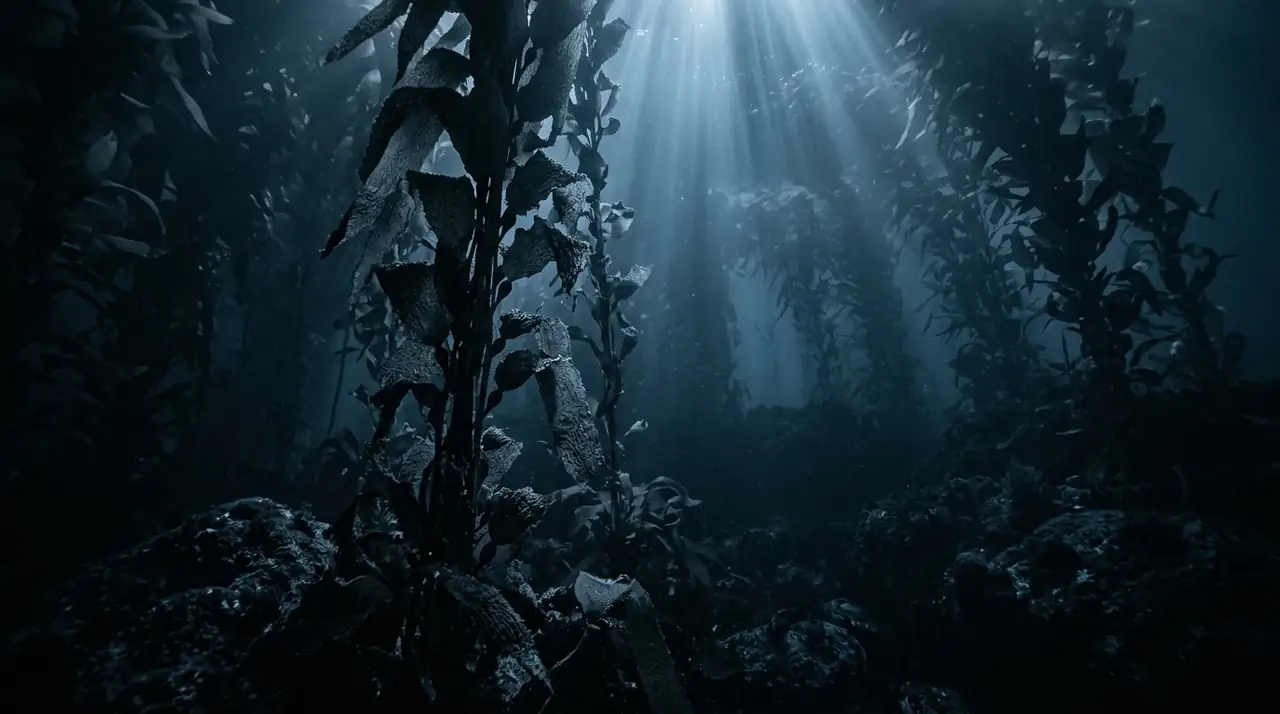
Julian Rocks is a small volcanic rock outcrop rising from the ocean floor just 2.5 kilometres offshore from Cape Byron, Australia's most easterly point. Within the Cape Byron Marine Park, this unassuming pair of rocky islets harbours one of the most biodiverse dive sites on the Australian east coast, thanks to its position at the meeting point of warm tropical and cool temperate ocean currents. The East Australian Current sweeps warm water south past Julian Rocks for much of the year, bringing with it distinctly tropical visitors. From November through May, leopard sharks congregate on the sandy patches between boulders, lying motionless in groups that sometimes number over twenty. Manta rays cruise through during the warmer months, and tropical fish species like surgeonfish, butterflyfish, and angelfish add splashes of colour to the reef. When cooler waters dominate from June to October, grey nurse sharks aggregate around the rocks in impressive numbers, their toothy profiles creating dramatic encounters for divers. The underwater topography consists of large boulders, swim-throughs, gutters, and overhangs descending to a sandy bottom at around 25 metres. Multiple named dive sites around the rocks cater to different experience levels. The Nursery is a sheltered shallow area at 5-12 metres perfect for beginners, while Hugo's Trench and the Cod Hole offer deeper exploration at 15-21 metres. Throughout all areas, sea turtles are virtually guaranteed on every dive, with both green and loggerhead turtles feeding and resting among the boulders in remarkable numbers. Wobbegong sharks carpet the overhangs and ledges year-round, their excellent camouflage making them a fun spotting challenge. Blue groupers, eastern blue devilfish, and enormous moray eels occupy the crevices, while cuttlefish hover among the kelp and sponge gardens. Schools of bullseyes create shimmering clouds in the gutters, and eagle rays glide past in the blue. For macro enthusiasts, nudibranchs, seahorses, and pipefish reward patient observation among the encrusting organisms. The five-minute boat ride from Byron Bay makes Julian Rocks exceptionally accessible, and the area's subtropical climate ensures comfortable diving year-round. Water temperatures range from 19 degrees Celsius in winter to 27 degrees in summer, with visibility typically between 10 and 20 metres. The Cape Byron Marine Park's sanctuary zones protect the marine life, resulting in remarkably relaxed and approachable animals.
Early access
Plan a dive here
Open the DiveOne planner to sketch a recreational plan before you go. It is a planning assistant, not a dive computer.
Marine life
Dive profile
DEPTH PROFILE
DEPTH PROGRESSION & WAYPOINTS: Julian Rocks
Location
Near Byron Bay, in the New South Wales region of Australia.
Frequently asked questions
What is the best season to dive Julian Rocks in Byron Bay?
Julian Rocks offers year-round diving with different highlights each season. From November to May, warm East Australian Current waters bring leopard sharks, manta rays, and tropical fish species. From June to October, cooler waters attract grey nurse sharks in impressive aggregations. Turtles, wobbegong sharks, and a vast array of reef fish are present year-round. This seasonal variety makes Julian Rocks one of Australia's most rewarding dive sites regardless of when you visit.
How long does it take to reach Julian Rocks from Byron Bay?
Julian Rocks lies just 2.5 kilometres offshore from Cape Byron, making it a quick 5-10 minute boat ride from the main beach. Multiple dive operators in Byron Bay run two-dive morning trips daily, weather permitting. The short boat ride means minimal transit time and maximum dive time, and conditions are generally calmest in the morning before the afternoon sea breeze picks up.
What makes Julian Rocks unique compared to other Australian dive sites?
Julian Rocks sits at the convergence zone where the warm East Australian Current meets cooler temperate waters, creating a unique overlap of tropical and temperate marine species. Over 1,000 species have been recorded in the Cape Byron Marine Park, an exceptional diversity for such a small area. This convergence means you can see leopard sharks and manta rays alongside wobbegong sharks and cuttlefish on the same dive, a combination found at very few places in the world.
Reviews
Reviews
No reviews yet
Data Provenance
This profile is compiled from 3 operator submissions and 142 community logs. Key facts (depth, entry) are verified against official hydrographic charts.