Jeju Island - Seogwipo
Overview
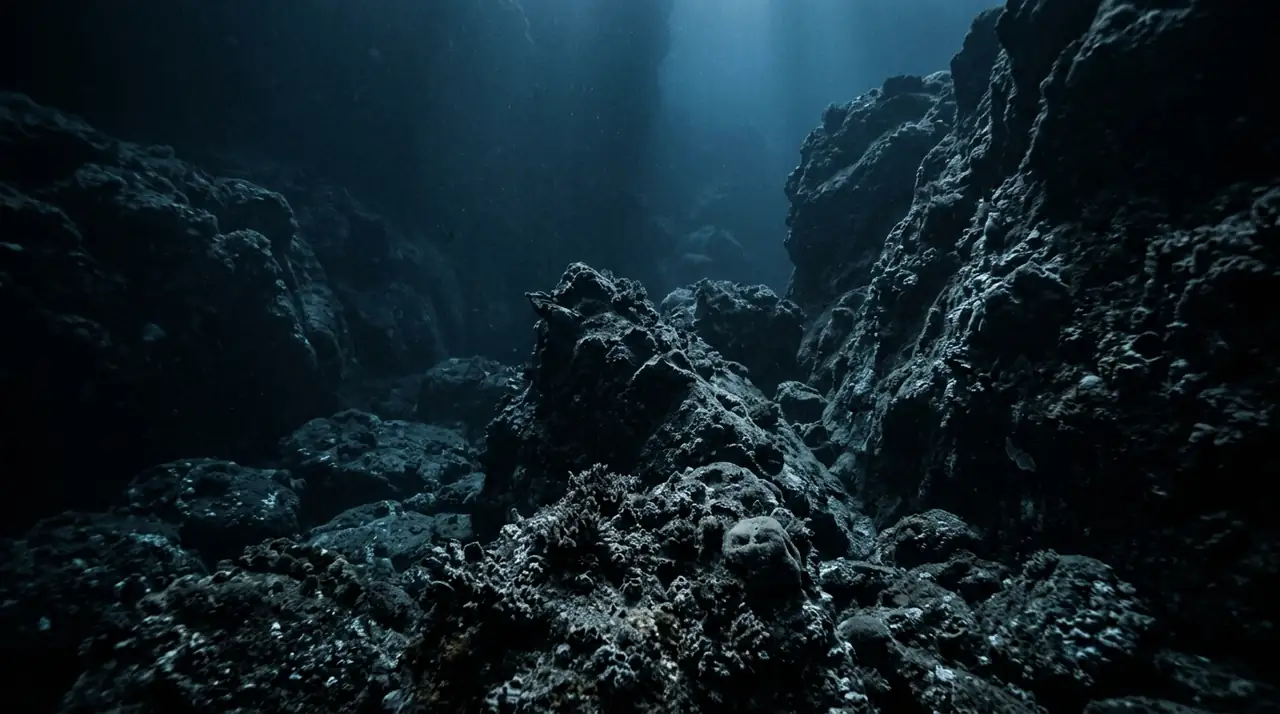
Seogwipo, on the southern coast of Jeju Island, is the undisputed capital of scuba diving in South Korea. This volcanic island, formed by eruptions that created a dramatic underwater landscape of basalt walls, caves, arches, and boulder fields, sits at the meeting point of the warm Tsushima Current and cooler Korean coastal waters. The result is a unique biogeographic crossroads where subtropical and temperate marine species coexist in an environment found nowhere else on the Korean Peninsula. The diving around Seogwipo is centred on a chain of small volcanic islets, the most famous being Munseom, Beomseom, and Supseom. These islets drop steeply into the sea, creating vertical walls and overhangs that are blanketed in some of the most spectacular soft coral formations in Northeast Asia. Shades of vivid pink, deep purple, fiery orange, and bright red soft corals wave gently in the current, transforming the dark volcanic rock into an underwater garden of extraordinary colour. Over 60 species of coral have been documented here, an impressive figure for waters this far north. The marine life reflects the area's transitional nature. Tropical species including lionfish, butterflyfish, and damselfish share the reef with temperate visitors like yellowtail, sea bream, and octopus. Cuttlefish and nudibranchs are macro favourites, while sea turtles make increasingly frequent appearances as waters warm through the summer. The volcanic terrain creates an abundance of caves and overhangs that shelter moray eels, groupers, and schools of cardinalfish. Jeju's diving culture is enriched by the living tradition of the haenyeo, the island's legendary free-diving women who have harvested the sea for centuries without scuba equipment. Recognised by UNESCO as an Intangible Cultural Heritage, the haenyeo remain active in the waters around Seogwipo. Jeju is easily accessible by frequent flights from Seoul, Busan, and other Korean cities, with flight times of about an hour. The island offers excellent tourist infrastructure, world-class cuisine, and a growing number of professional dive centres catering to both Korean and international divers.
Early access
Plan a dive here
Open the DiveOne planner to sketch a recreational plan before you go. It is a planning assistant, not a dive computer.
Marine life
Dive profile
DEPTH PROFILE
DEPTH PROGRESSION & WAYPOINTS: Jeju Island - Seogwipo
Location
Frequently asked questions
What makes Seogwipo diving unique compared to tropical destinations?
Seogwipo sits at a biogeographic crossroads where the warm Tsushima Current meets cooler Korean waters. This creates an unusual blending of subtropical and temperate species not found in purely tropical destinations. The volcanic substrate provides a dramatically different underwater landscape compared to typical coral reefs: black basalt walls, caves, and arches are draped in vibrant soft corals in colours rarely seen in warmer waters. The result is an underwater aesthetic that is uniquely Korean.
Who are the haenyeo and can I see them while diving?
The haenyeo are Jeju's legendary free-diving women who have harvested abalone, sea urchins, and other seafood from the ocean without scuba equipment for centuries. Recognised by UNESCO as an Intangible Cultural Heritage, they can still be seen working in the waters around Seogwipo, typically in shallower areas separate from scuba dive sites. Many dive operators include cultural briefings about the haenyeo tradition, and you may see them from the dive boat.
What is the best month to dive Seogwipo for the clearest water?
September and October typically offer the best combination of warm water temperatures around 22 to 24 degrees Celsius and peak visibility of 15 to 20 metres. The summer months of July and August are warmer but can have reduced visibility due to plankton blooms. June and November are shoulder months with good conditions. Winter diving from December to March is possible but cold, with water temperatures dropping to 14 degrees Celsius.
Reviews
Reviews
No reviews yet
Data Provenance
This profile is compiled from 3 operator submissions and 142 community logs. Key facts (depth, entry) are verified against official hydrographic charts.