Jardines de la Reina
Overview
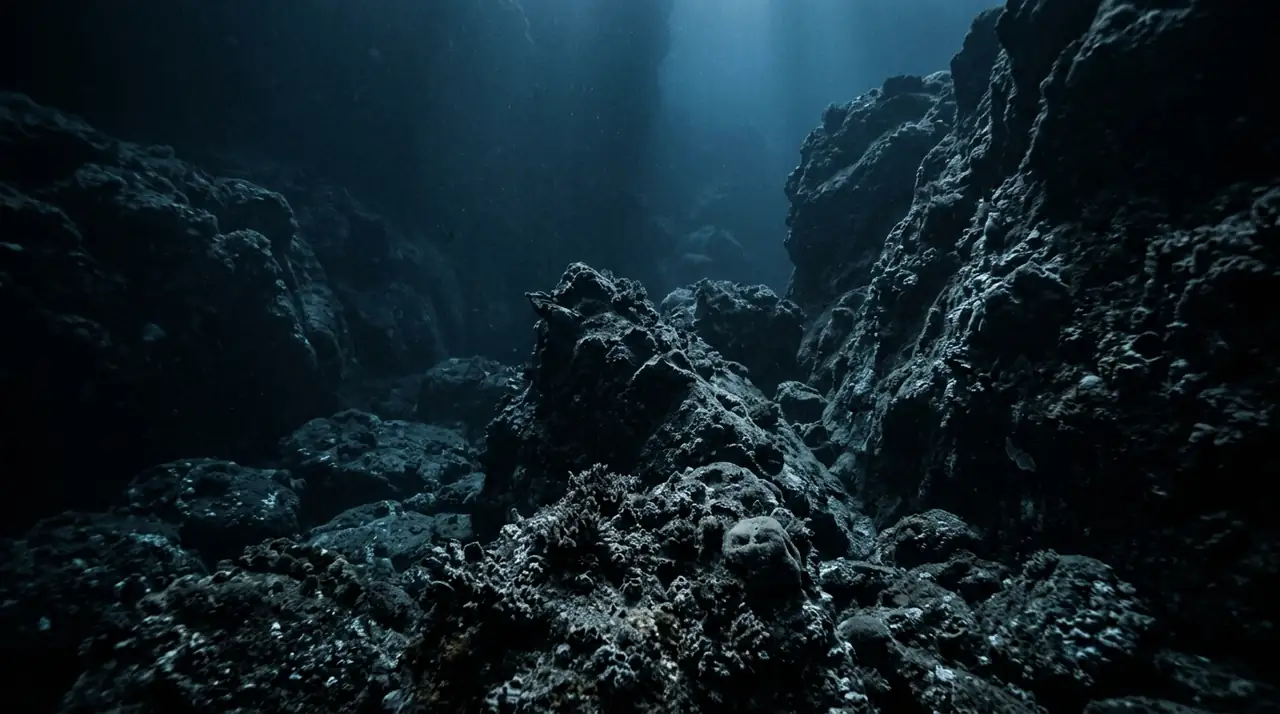
Jardines de la Reina is the Caribbean that time forgot. This archipelago of 250 coral islands and mangrove cays stretches 120 kilometres along Cuba's southern shelf edge, protected as a marine reserve since 1996 and accessible only through a single operator running liveaboard trips from the mainland. The result of this isolation and protection is staggering: reef health and shark populations that have not existed elsewhere in the Caribbean for half a century. The journey begins in Jucaro, a sleepy fishing port on Cuba's south coast. A fast boat delivers you to one of several floating hotels moored within the archipelago. These permanently anchored platforms serve as base camps, with dive boats departing multiple times daily to sites scattered across the reserve. My first descent set the tone for the entire trip. Dropping onto a reef wall at Pipin, the coral coverage was immediately shocking. Elkhorn coral, virtually extinct throughout the rest of the Caribbean, grows here in thickets. Staghorn forests carpet the shallows. The diversity and density of coral species approaches 60 percent coverage, figures that marine biologists describe as pre-decline Caribbean conditions. Then the sharks arrive. Caribbean reef sharks appear on virtually every dive, not one or two but groups of eight to twelve cruising the reef edge with calm authority. These are not baited encounters. The sharks simply exist here in numbers that healthy Caribbean reefs once supported universally. Silky sharks join them in deeper water beyond the wall, and massive goliath groupers occupy caves at 25 metres. The crocodile encounters add a dimension found nowhere else in diving. In mangrove channels between cays, American crocodiles rest on the bottom in clear shallow water, regarding snorkelers with ancient reptilian indifference. It is unnerving and extraordinary in equal measure. Jardines de la Reina demonstrates what Caribbean reefs could be without overfishing, coastal development, and uncontrolled tourism. It is simultaneously a world-class dive destination and a scientific baseline for what the wider Caribbean has lost.
Early access
Plan a dive here
Open the DiveOne planner to sketch a recreational plan before you go. It is a planning assistant, not a dive computer.
Marine life
Dive profile
DEPTH PROFILE
DEPTH PROGRESSION & WAYPOINTS: Jardines de la Reina
Location
Frequently asked questions
How do I access Jardines de la Reina for diving?
Jardines de la Reina is accessed exclusively by liveaboard from the port of Jucaro on Cuba's southern coast. A single operator holds the concession for the marine park, running week-long trips on floating hotels permanently moored in the archipelago. Divers fly into Havana or other Cuban cities and transfer by road to Jucaro, then by boat to the floating hotel. The limited access, with a maximum of around 1,000 divers per year visiting the entire archipelago, is fundamental to maintaining the reef's pristine condition. Advance booking months ahead is essential.
Is it true there are crocodile dives at Jardines de la Reina?
Yes, Jardines de la Reina offers one of the world's only opportunities to snorkel with American crocodiles in their natural mangrove habitat. These encounters take place in shallow mangrove channels where crocodiles hunt and rest. The crocodiles are wild and not fed, but have become habituated to snorkelers over years of careful encounters. Participants enter the water with guides in clear shallow areas where crocodiles are visible. While startling, American crocodiles are less aggressive than their saltwater relatives and these specific animals have a long history of non-aggressive interactions with humans.
What makes the reef at Jardines de la Reina so healthy compared to other Caribbean reefs?
Multiple factors contribute to Jardines de la Reina's exceptional reef health. Strict protection since 1996 has eliminated fishing pressure that devastates most Caribbean reefs. The archipelago's remoteness, 80 kilometres from the mainland, eliminates coastal runoff and pollution. Limited dive tourism means reef damage from anchoring and diver contact is negligible. Healthy populations of herbivorous fish and sea urchins keep algae in check, while intact predator populations including sharks and large groupers maintain ecosystem balance. The result is coral coverage and diversity that scientists describe as a window into what the Caribbean looked like 50 years ago.
Reviews
Reviews
No reviews yet
Data Provenance
This profile is compiled from 3 operator submissions and 142 community logs. Key facts (depth, entry) are verified against official hydrographic charts.