Jais Aben Reef
Overview
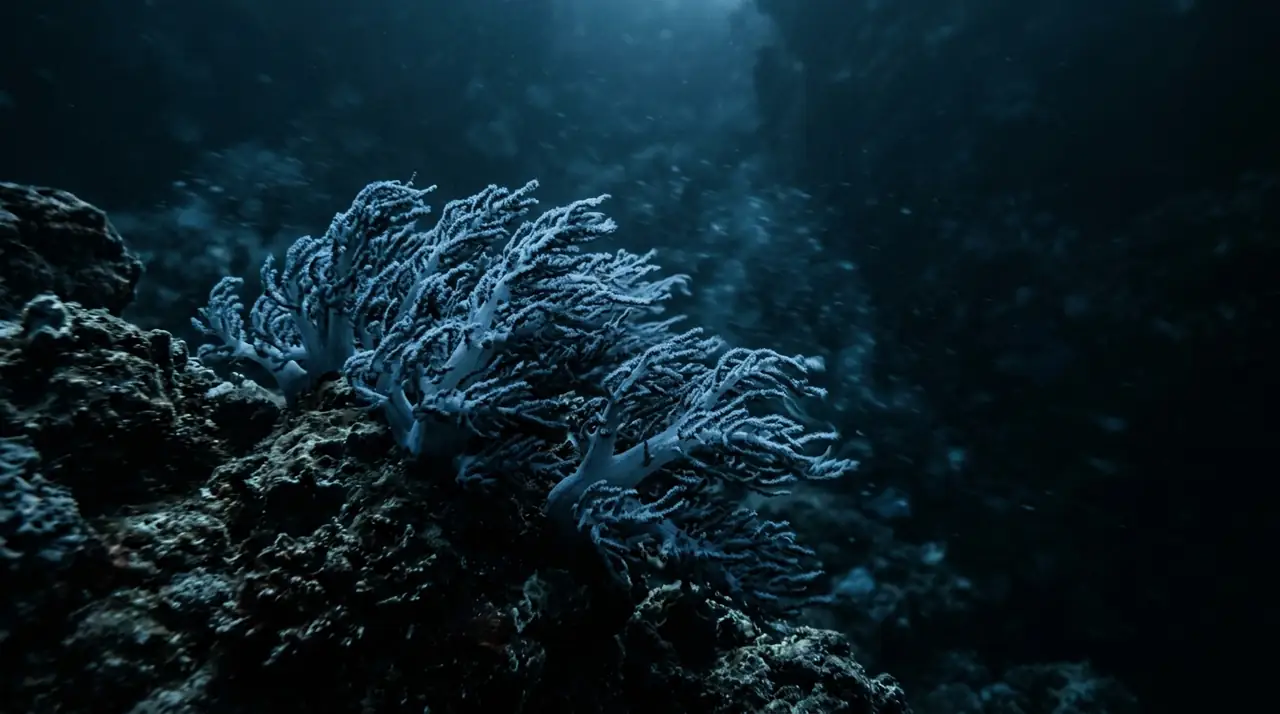
Jais Aben Reef lies within Madang's protective barrier reef lagoon, a coral system of extraordinary species diversity accessible by a ten-minute boat ride from town. Madang sits on Papua New Guinea's northern coast where the Bismarck Sea bathes a lagoon that has been documented to contain over four hundred coral species, rivalling the most diverse reef systems on the planet in a remarkably compact and accessible setting. Our boat left the small jetty at the dive resort and crossed the calm lagoon to the outer barrier. The reef begins in the shallows and slopes gradually to thirty metres at the outer edge where the lagoon floor drops away. Visibility was twenty-five metres on this May morning, the water a clear blue-green that let the coral colours below glow with natural intensity. The shallow reef flat between three and eight metres was a taxonomy lesson in Acropora. Branching, tabulate, digitate, and encrusting forms competed for space in density I have rarely encountered. Between the hard corals, giant clams of multiple species sat in crevices, their mantles shimmering with iridescent patterns. Anemonefish in at least five species defended their hosts within a small area, and I could have spent the entire dive in this shallow zone alone. At fifteen metres the slope steepened and the sea fans began. Large gorgonians oriented perpendicular to the mild current hosted crinoids and inspection revealed several tiny denise pygmy seahorses clinging to branches. A whitetip reef shark rested on a sand patch, barely acknowledging our group as we passed. The coral diversity here was staggering, every square metre presenting species I could not immediately identify. The Japanese fighter aircraft appeared at twenty metres, its wings broken but fuselage intact, now thoroughly colonised by table corals growing from the engine cowling and soft corals draping the tail section. The propeller hub remained recognisable, a poignant remnant of the Pacific War in this now-peaceful setting. Schools of sweetlips sheltered beneath the wings. A grey reef shark appeared at the reef edge at twenty-two metres, circled our group twice, and departed into the blue. The guide signalled upward on the return, and at eight metres a manta ray was making slow passes over a coral head cleaning station, its belly markings clearly visible as it banked. We froze and watched it complete four circuits before it glided away toward the outer reef. Jais Aben demonstrates that world-class coral diversity does not require remote liveaboard expeditions. A ten-minute boat ride from a comfortable town delivers reef health and species richness that stands comparison with anywhere on earth.
Early access
Plan a dive here
Open the DiveOne planner to sketch a recreational plan before you go. It is a planning assistant, not a dive computer.
Marine life
Dive profile
DEPTH PROFILE
DEPTH PROGRESSION & WAYPOINTS: Jais Aben Reef
Location
Near Madang, in the Madang Province region of Papua New Guinea.
Frequently asked questions
How do I get to Madang and is it safe for tourists?
Madang is served by daily flights from Port Moresby taking approximately one hour, and less frequent flights from other Papua New Guinea cities. The town has a functioning tourism infrastructure with several hotels, dive operators, and restaurants. Madang is generally considered one of the safer towns in Papua New Guinea for foreign visitors, particularly within the resort and dive operator zones. Exercise standard precautions as in any developing country. The dive resort areas along the coast are well-secured and provide airport transfers.
What WWII history can I see while diving at Jais Aben?
Madang was a major Japanese base during World War II and the surrounding waters contain numerous wartime remnants. At Jais Aben, a Japanese fighter aircraft rests on the reef slope at around 20 metres, its structure colonised by coral but still recognisable. A landing craft sits nearby in shallower water. These are not formal wreck dives but rather historical features integrated into a coral reef dive. The lagoon itself was used as an anchorage and there are additional wrecks at other Madang dive sites accessible from the same operators.
How does Madang compare to other PNG dive destinations like Milne Bay?
Madang offers a different character from Milne Bay or Kimbe Bay. Its strength is accessibility and coral diversity rather than muck diving or pelagic action. The lagoon barrier reef creates sheltered conditions ideal for less experienced divers, and the proximity to town means comfortable shore-based diving without liveaboard costs. The coral biodiversity surveys have documented over 400 species in the Madang lagoon, placing it among the most diverse reef systems anywhere. Madang works well as a standalone destination or combined with other PNG diving on a multi-stop trip.
Reviews
Reviews
No reviews yet
Data Provenance
This profile is compiled from 3 operator submissions and 142 community logs. Key facts (depth, entry) are verified against official hydrographic charts.