Islas del Rosario
Overview
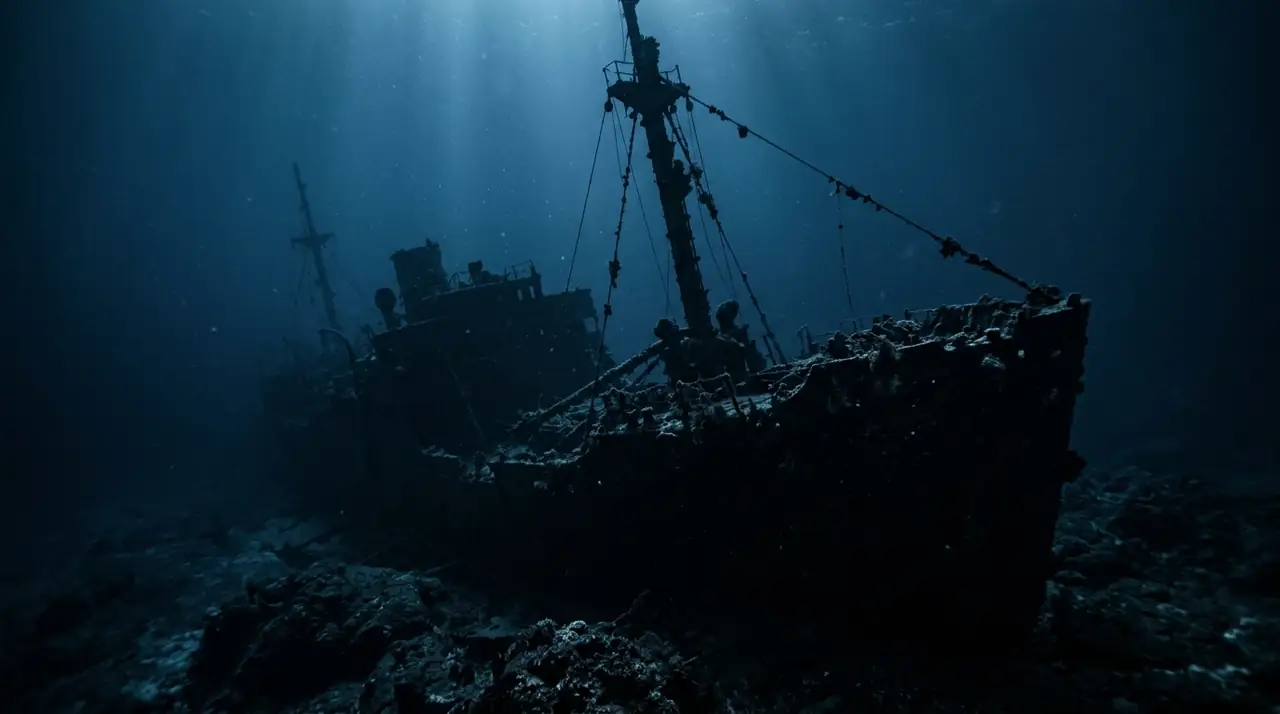
The Islas del Rosario form a stunning Caribbean archipelago of 23 islands, cays, and islets approximately 35 kilometres southwest of Cartagena, Colombia's most celebrated colonial city. Protected as part of the Corales del Rosario y San Bernardo National Natural Park, the archipelago sits atop an ancient coral reef platform that has been building for millennia, creating one of the most important coral ecosystems in the Colombian Caribbean. With over 28 mapped dive sites, the Rosario Islands offer something for every level of diver. Shallow coral gardens in the 5-12 metre range are carpeted with brain corals, star corals, and sea fans, providing ideal conditions for beginners and newly certified divers. Colourful tropical fish are everywhere: parrotfish crunch on coral, angelfish flutter through sea fans, and schools of sergeant majors engulf divers in silver clouds. Seahorses cling to soft corals in the shallows, rewarding patient observers with one of diving's most charming encounters. For more experienced divers, the archipelago's walls and deeper reefs provide greater challenge and bigger marine life. The Cantil de Isla Pavitos is one of the most dramatic sites, a wall dropping from 4.5 to 40 metres festooned with barrel sponges and black coral. Eagle rays glide along the wall face, nurse sharks rest in sandy pockets at the base, and large barracuda patrol the drop-off. The Salmedina Banks, a submerged reef system between the islands and the mainland, offers even more adventurous diving with depths reaching nearly 60 metres at the deepest points. Visibility at the Rosario Islands ranges from 10 to 25 metres, with the best conditions during the dry season from December to April when reduced rainfall means less sediment in the water. Water temperature stays warm year-round between 26 and 29 degrees Celsius, requiring only a 3mm wetsuit. Currents are generally mild, though they can pick up around exposed reef points. The proximity to Cartagena is both a blessing and a consideration. It makes the diving highly accessible, with operators running daily boat trips from the city's harbour. However, the popular islands can get crowded with day-trippers during peak season. Diving operators who visit the more remote sites within the park typically deliver a more peaceful and pristine experience. For divers visiting Cartagena, adding a day of diving at the Rosario Islands is an easy and rewarding way to explore Colombia's Caribbean underwater world.
Early access
Plan a dive here
Open the DiveOne planner to sketch a recreational plan before you go. It is a planning assistant, not a dive computer.
Marine life
Dive profile
DEPTH PROFILE
DEPTH PROGRESSION & WAYPOINTS: Islas del Rosario
Location
Near Cartagena, in the Corales del Rosario National Park region of Colombia.
Frequently asked questions
How far are the Islas del Rosario from Cartagena?
The Islas del Rosario lie approximately 35 kilometres southwest of Cartagena, about 45 minutes to one hour by speedboat. Day trips are the most common way to visit, though some islands have small eco-lodges for overnight stays. The proximity to Cartagena makes this Colombia's most accessible coral reef diving destination.
What types of dives are available at Islas del Rosario?
The archipelago offers over 28 mapped dive sites catering to all levels. Shallow coral gardens at 5-12 metres are perfect for beginners and discovery divers. Intermediate divers enjoy the patch reefs and small walls at 15-25 metres. Advanced divers can explore the Cantil de Isla Pavitos wall dive dropping to 40 metres and the deeper sections of Salmedina Banks. Night dives reveal a completely different reef community.
Are the coral reefs at Islas del Rosario healthy?
The reefs within the Corales del Rosario y San Bernardo National Natural Park have benefited from decades of protection. While some areas near popular tourist stops show signs of stress from boat traffic and snorkeler contact, the dive sites further from day-trip zones remain in good condition. Conservation efforts have intensified in recent years, including coral restoration projects and stricter regulations on boat anchoring.
Reviews
Reviews
No reviews yet
Data Provenance
This profile is compiled from 3 operator submissions and 142 community logs. Key facts (depth, entry) are verified against official hydrographic charts.