Islas Ballestas
Overview
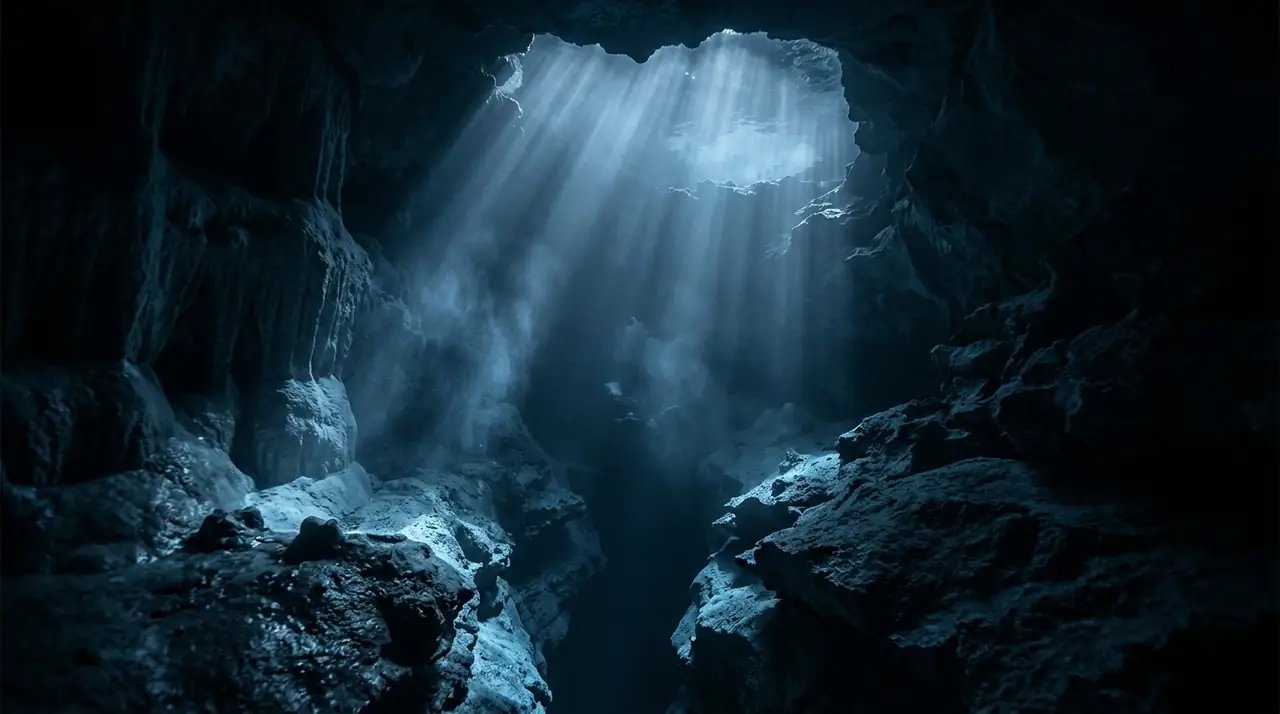
The Islas Ballestas rise from the Pacific Ocean off Peru's southern coast like a chain of weathered cathedrals, their guano-whitened arches and towers instantly recognisable and sometimes called the poor man's Galapagos for their extraordinary wildlife concentrations. Located within the Paracas National Reserve, these islands sit where the powerful Humboldt Current drives cold, nutrient-laden water to the surface, creating one of the most productive marine ecosystems on the planet. Diving at Islas Ballestas is fundamentally different from tropical reef diving. The cold waters support dense kelp forests that sway in the current, creating an underwater landscape reminiscent of California or South Africa rather than the Caribbean. Visibility ranges from 8 to 20 metres depending on season and plankton levels, and water temperatures between 14 and 20 degrees Celsius demand serious exposure protection. The star attractions beneath the surface are the South American sea lions, whose colonies number in the thousands across the island group. In the water, particularly the juveniles are irrepressibly curious, zooming past divers, spinning, and making close approaches with their enormous eyes. Humboldt penguins also inhabit the islands and can occasionally be seen underwater during feeding, though they are faster and more elusive than the sea lions. The rocky reefs around the islands are carpeted with invertebrate life: starfish, sea urchins, crabs, and colourful anemones cover virtually every surface. Octopuses are remarkably common, and observant divers may spot several on a single dive. Moray eels lurk in the crevices, and rays rest on the sandy patches between rocks. The sheer biomass at every level of the food chain is staggering, a direct result of the nutrient conveyor belt that is the Humboldt Current. Diving here requires planning, as local operators are fewer than in mainstream tropical destinations. Paracas town serves as the base, about four hours south of Lima by road. The experience is raw, cold, and utterly captivating for divers who appreciate marine encounters over comfortable water temperatures.
Early access
Plan a dive here
Open the DiveOne planner to sketch a recreational plan before you go. It is a planning assistant, not a dive computer.
Marine life
Dive profile
DEPTH PROFILE
DEPTH PROGRESSION & WAYPOINTS: Islas Ballestas
Location
Near Paracas, in the Paracas National Reserve region of Peru.
Frequently asked questions
Can you really dive with sea lions at Islas Ballestas?
Yes. The Islas Ballestas host large colonies of South American sea lions that are remarkably curious and playful around divers. Young sea lions in particular will approach closely, spinning and tumbling in the water. Encounters are most frequent near the rocky shores where the colonies haul out. The experience is thrilling but requires calm nerves as the sea lions can be quite boisterous.
How cold is the water at Paracas?
The Humboldt Current brings cold, nutrient-rich water from the deep Pacific, and temperatures at Islas Ballestas typically range from 14 to 20 degrees Celsius. A 7mm wetsuit or semi-dry suit is essential, and many experienced cold-water divers opt for dry suits. The cold water is precisely what makes this site so productive biologically, fuelling dense kelp forests and attracting abundant marine life.
When is the best time to dive at Islas Ballestas?
The dry season from May to September offers the calmest seas and best visibility, which can reach 15-20 metres on good days. This period also coincides with the most active sea lion season. Visibility can drop to under 8 metres during the wetter months due to plankton blooms and runoff. Water is coldest in September but conditions are most reliable overall from June to August.
Reviews
Reviews
No reviews yet
Data Provenance
This profile is compiled from 3 operator submissions and 142 community logs. Key facts (depth, entry) are verified against official hydrographic charts.