Isla de la Plata
Overview
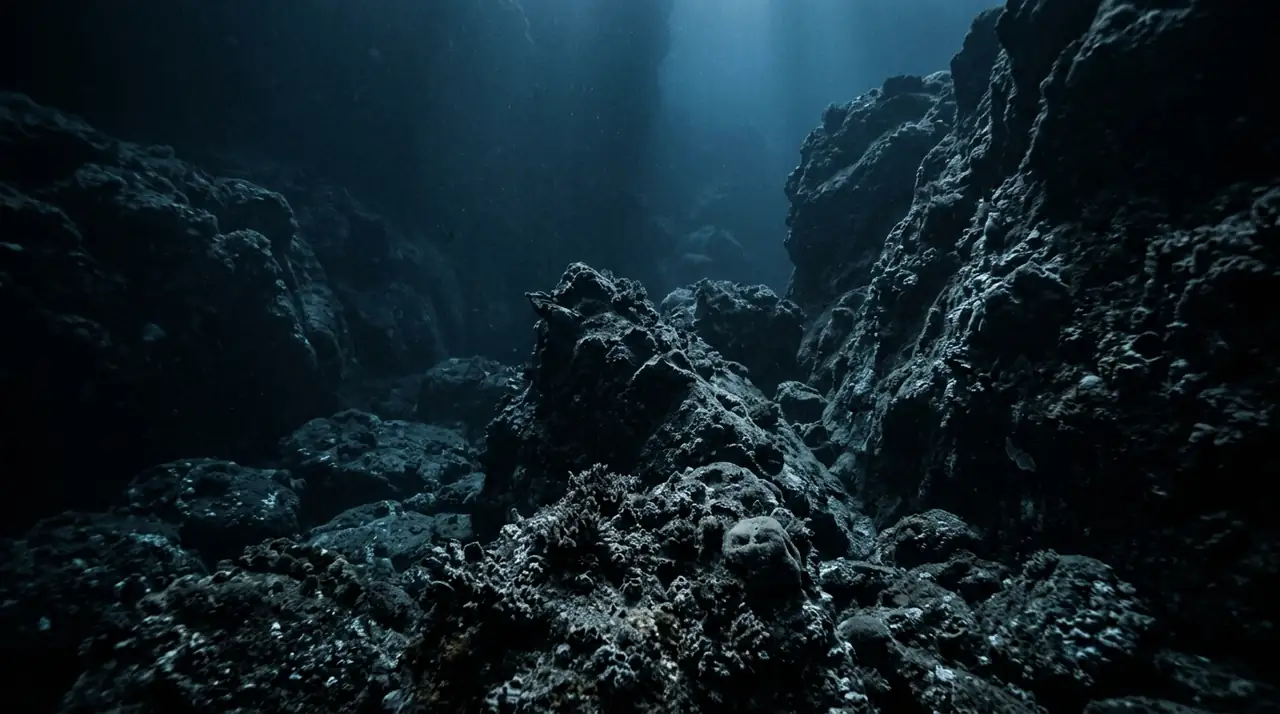
Isla de la Plata floats in the Pacific Ocean approximately 40 kilometres off Ecuador's central coast, a small rocky island within the boundaries of Machalilla National Park that punches far above its weight as a diving destination. Often called the Poor Man's Galapagos for its similar wildlife, including blue-footed boobies and frigatebirds nesting on its cliffs, the real treasure lies beneath the surface, where recent research has identified the world's largest known population of giant oceanic manta rays. The island offers several distinct dive sites, each with its own character. El Acuario sits in sheltered water and is recognised as the largest and best-preserved coral reef along Ecuador's entire continental coastline, with coral formations reaching heights of three metres and covering more than a hectare. Roca Honda is a dramatic pinnacle dropping to 30 metres, where currents concentrate schooling fish and attract larger predators. Tres Rocas and El Pinaculo offer varied terrain from 17 to 25 metres depth, with the chance of manta ray encounters on any given dive. The manta rays are the star attraction. Giant oceanic mantas with wingspans up to seven metres cruise through the nutrient-rich waters, sometimes in groups of a dozen or more. They are most reliably encountered from June through October, when upwelling currents bring cold, plankton-rich water to the surface. During this same period, humpback whales migrate from Antarctica to breed in these waters, and hearing their songs underwater while diving with mantas creates an experience of almost surreal intensity. Visibility at Isla de la Plata ranges from 10 to 20 metres, influenced by plankton density and currents. Water temperature varies from 20 to 26 degrees Celsius depending on season and depth, with cooler thermoclines during the productive manta season. Currents can be moderate to strong at exposed sites like Roca Honda, requiring intermediate skills and good buoyancy control. Day trips depart from Puerto Lopez, a small fishing town on the mainland that serves as the gateway to Machalilla National Park. The boat ride takes approximately 90 minutes each way, and most operators offer two-tank dive trips. For divers who cannot justify the cost of a Galapagos expedition, Isla de la Plata delivers extraordinary pelagic encounters at a fraction of the price.
Early access
Plan a dive here
Open the DiveOne planner to sketch a recreational plan before you go. It is a planning assistant, not a dive computer.
Marine life
Dive profile
DEPTH PROFILE
DEPTH PROGRESSION & WAYPOINTS: Isla de la Plata
Location
Near Puerto Lopez, in the Machalilla National Park region of Ecuador.
Frequently asked questions
Why is Isla de la Plata called the Poor Man's Galapagos?
Isla de la Plata earned this nickname because it shares many species with the Galapagos Islands, including blue-footed boobies, frigatebirds, and sea lions, at a fraction of the cost and travel time. The island lies within Machalilla National Park, just 40 kilometres off Ecuador's central coast, accessible by day trip from Puerto Lopez. While not as biodiverse as the Galapagos, it offers remarkably similar wildlife at much lower cost.
Can you really see manta rays at Isla de la Plata?
Yes. Research has identified the waters around Isla de la Plata as home to the largest known population of giant oceanic manta rays in the world. These magnificent creatures, with wingspans reaching up to 7 metres, are regularly encountered on dives, particularly at sites like Bajo de la Plata and Tres Rocas. The best manta season runs from June through October when nutrient-rich currents attract plankton.
What is the best dive site at Isla de la Plata?
El Acuario is widely considered the highlight, featuring Ecuador's largest and best-preserved coastal coral reef with formations up to 3 metres high spanning over a hectare. Other excellent sites include Roca Honda, a pinnacle reaching 30 metres depth with strong fish action, and El Pinaculo at 18 metres with diverse reef life. Tres Rocas offers the best chance of manta ray encounters.
Reviews
Reviews
No reviews yet
Data Provenance
This profile is compiled from 3 operator submissions and 142 community logs. Key facts (depth, entry) are verified against official hydrographic charts.