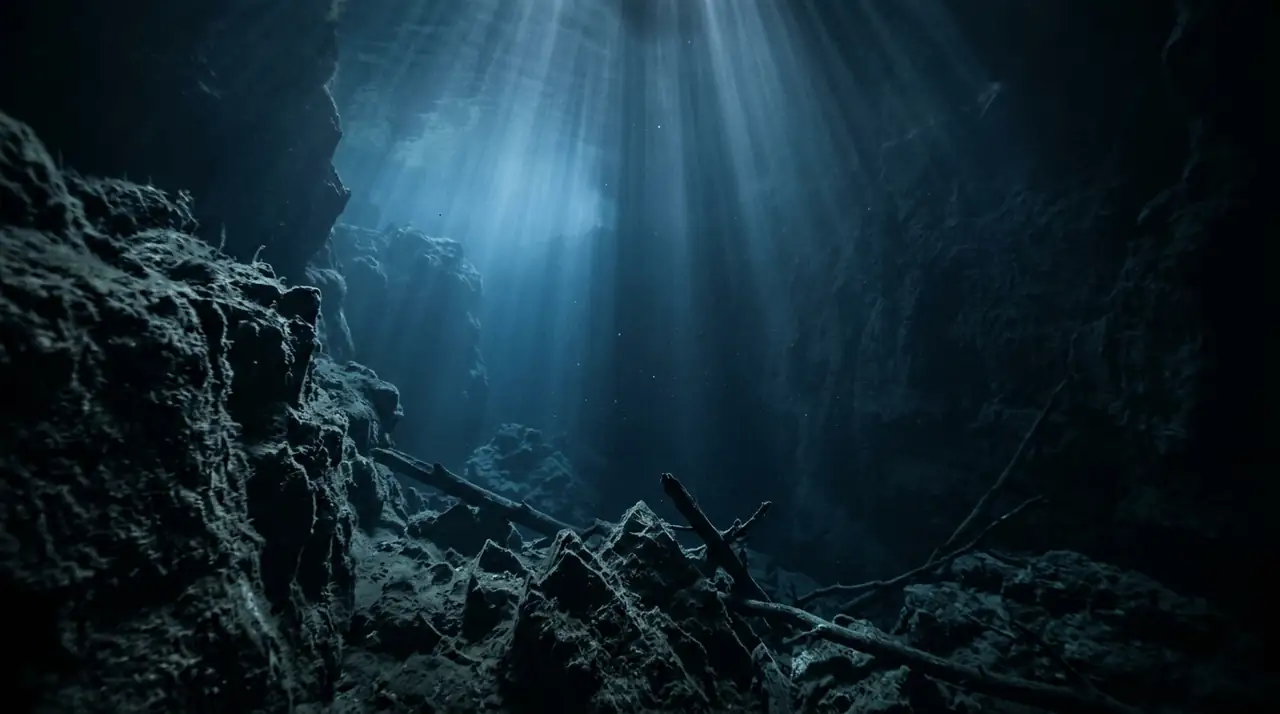
Isabela Island Los Tuneles
Overview
Los Tuneles sits off the southern coast of Isabela Island, the largest landmass in the Galapagos archipelago, where ancient lava flows from the Sierra Negra volcano reached the Pacific and created something extraordinary. Collapsed lava tubes form a labyrinth of natural arches, bridges, and channels both above and below the waterline, and this sheltered volcanic maze has become one of the most wildlife-dense dive sites in the entire Galapagos marine reserve. The 45-minute boat ride from Puerto Villamil crosses open ocean that can be rough, especially during the garua season from June to November. But arrival at Los Tuneles feels like entering another world. Volcanic rock formations rise from turquoise shallows, creating a network of pools and channels where blue-footed boobies nest on the exposed arches while marine life thrives beneath. I descended through a natural archway into a shallow channel between collapsed tubes, and the density of life was immediate. Three green sea turtles rested on the sandy bottom within the first minute, entirely unbothered by my presence. White-tip reef sharks lay in groups under lava overhangs, stacked like cordwood in their preferred resting spots. The Galapagos's strict protection regime means animals here show virtually no fear of divers. Los Tuneles is one of the best locations in the Galapagos for Pacific seahorses, which cling to gorgonian fans and black coral branches in the sheltered channels. I found three individuals on a single dive, their camouflage so effective that without the guide's eye I would have missed them entirely. The macro life complements the megafauna: nudibranchs, decorator crabs, and frogfish inhabit the lava crevices. Marine iguanas graze on algae-covered rocks at the waterline, diving beneath the surface to feed and surfacing to warm themselves in the equatorial sun. Galapagos penguins dart through the shallows hunting small fish, their underwater speed absurdly fast compared to their waddling terrestrial movement. During the cool season, ocean sunfish drift into the channels for cleaning, their bizarre disc-shaped bodies hovering near cleaning stations.
Early access
Plan a dive here
Open the DiveOne planner to sketch a recreational plan before you go. It is a planning assistant, not a dive computer.
Marine life
Dive profile
DEPTH PROFILE
DEPTH PROGRESSION & WAYPOINTS: Isabela Island Los Tuneles
Location
Near Puerto Villamil, in the Galapagos Islands region of Ecuador.
Frequently asked questions
What are Los Tuneles and how were they formed?
Los Tuneles is a geological formation created by lava flows from the Sierra Negra volcano on Isabela Island that reached the ocean and cooled rapidly. As the outer surface of the lava solidified while molten rock continued flowing beneath, tubes formed. Over millennia, sections of these tubes collapsed, creating a network of arches, bridges, channels, and shallow pools. The result is a labyrinth of volcanic rock formations both above and below the waterline that serves as sheltered habitat for an extraordinary density of marine life.
Is Los Tuneles suitable for beginners?
Los Tuneles is accessible to intermediate divers and experienced snorkelers. The site is relatively shallow, with most features between 3 and 15 metres, and currents are generally mild due to the sheltered nature of the lava formations. However, navigation through the tunnels and arches requires reasonable buoyancy control, and the confined spaces mean poor technique can cause contact with fragile formations. Snorkeling is excellent here and allows access to many of the same encounters. The boat ride from Puerto Villamil takes about 45 minutes over open ocean that can be rough.
What is the best time of year to visit Los Tuneles?
The cool dry season from June through November is generally considered best for Los Tuneles diving. The Cromwell Current brings nutrient-rich cold water that attracts more marine life, and this is when mola mola sightings are most likely. Green sea turtles and white-tip sharks are present year-round. The warm wet season from December to May offers warmer water temperatures but sometimes reduced visibility due to plankton blooms. Galapagos National Park limits daily visitor numbers and requires licensed guides for all activities at Los Tuneles.
Reviews
Reviews
No reviews yet
Data Provenance
This profile is compiled from 3 operator submissions and 142 community logs. Key facts (depth, entry) are verified against official hydrographic charts.