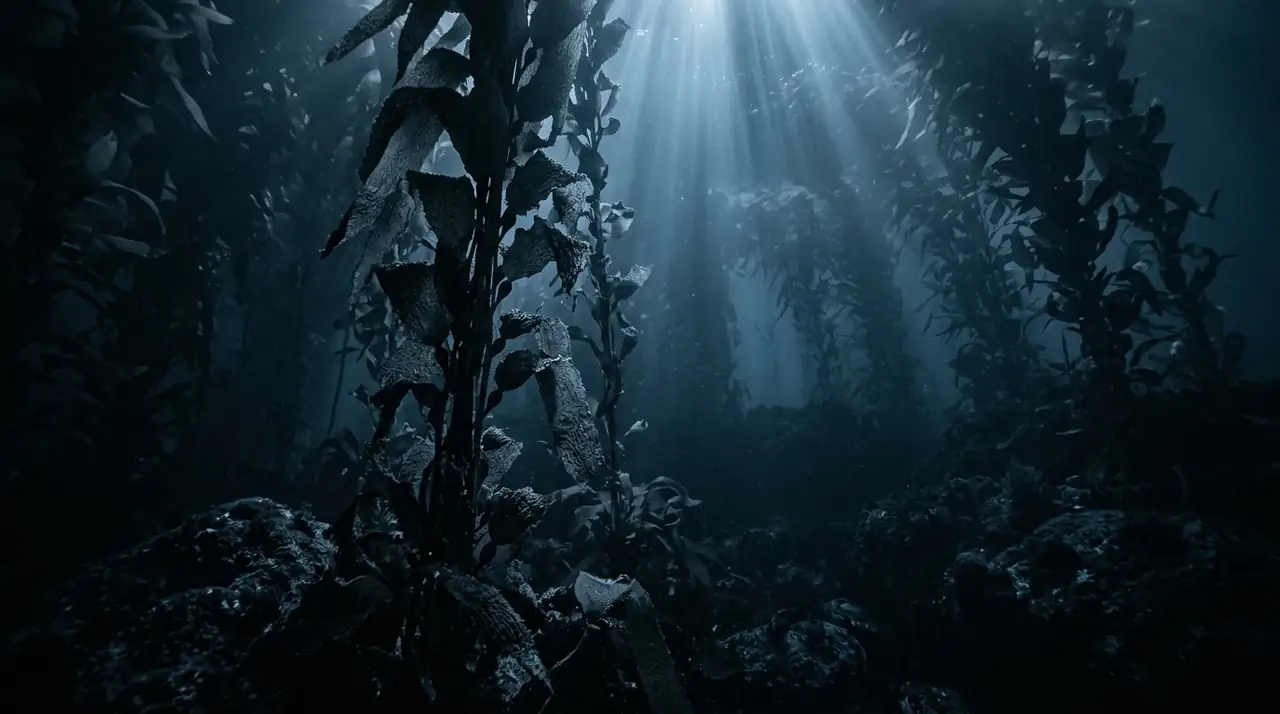
Ilulissat Iceberg Diving
Overview
Ilulissat sits on the shore of Disko Bay in western Greenland, facing the mouth of the Ilulissat Icefjord, a UNESCO World Heritage Site where the Jakobshavn Isbrae glacier calves icebergs at a rate of roughly 20 billion tonnes per year. The icebergs that drift into the bay are the size of city blocks, their visible mass above water representing only a fraction of the ice extending below. Diving alongside these frozen giants is one of the most extreme and visually surreal experiences available to scuba divers anywhere on the planet. I suited up on the deck of a small expedition vessel on a July morning, the low Arctic sun casting long shadows across a bay littered with white ice of every size. The air temperature was five degrees but the drysuit and multiple undergarment layers insulated me well enough. My guide, a Greenlandic diver who has been running iceberg dives for over a decade, had selected a large tabular berg that had been grounded on the shallow bay floor for several days, making it relatively stable. We entered the water from the Zodiac fifty metres from the berg's face. The cold hit immediately, a full-body compression that the drysuit could not entirely prevent. Water temperature was one degree Celsius. My regulator breathed stiffly, the cold air harsh in my throat. But the moment I put my face underwater, all discomfort faded. The iceberg extended below the surface as a wall of luminous blue-white ice, its contours sculpted by currents and melt into curves and hollows that caught the Arctic light and refracted it in shades of cerulean, cobalt, and electric turquoise. The ice was not solid flat but textured: ridges, grooves, and melt channels ran across its face, and in places the ice was translucent enough to see light filtering through from the opposite side.
Early access
Plan a dive here
Open the DiveOne planner to sketch a recreational plan before you go. It is a planning assistant, not a dive computer.
Marine life
Dive profile
DEPTH PROFILE
DEPTH PROGRESSION & WAYPOINTS: Ilulissat Iceberg Diving
Location
Frequently asked questions
Is it actually possible to dive among icebergs in Greenland?
Yes, iceberg diving is possible in the waters around Ilulissat during the Arctic summer months from June to August. However, it is an extreme activity that requires specialized experience, equipment, and safety protocols. Icebergs are inherently unstable and can roll, calve, or break apart without warning, creating dangerous waves and underwater turbulence. Diving is only conducted near stable, well-grounded icebergs that have been assessed for safety by experienced guides. Divers must maintain a safe distance from the ice and be prepared to exit the water quickly. Only a handful of operators worldwide offer guided iceberg diving experiences in Greenland.
What qualifications and experience do I need for iceberg diving?
Iceberg diving in Greenland requires advanced open water certification at minimum, drysuit certification, and extensive cold-water diving experience. Most operators require a minimum of 100 logged dives with at least 20 in drysuit and cold water. Ice diving certification is strongly recommended. You must be comfortable with water temperatures at or below zero degrees Celsius and have experience managing equipment in extreme cold, including regulator free-flow procedures. Physical fitness is important as the cold and the stress of the environment are demanding.
How do I get to Ilulissat for iceberg diving?
Ilulissat is accessible by air from Kangerlussuaq, Greenland's main international hub, with daily flights during summer. Kangerlussuaq connects to Copenhagen and Reykjavik. There is no road access to Ilulissat. Accommodation ranges from hotels to guesthouses, and the town has a population of about 4,500. The Ilulissat Icefjord, a UNESCO World Heritage Site, is the source of the icebergs. Dive operators typically require advance booking months ahead and offer multi-day packages that include equipment, safety briefings, and multiple dives.
Reviews
Reviews
No reviews yet
Data Provenance
This profile is compiled from 3 operator submissions and 142 community logs. Key facts (depth, entry) are verified against official hydrographic charts.