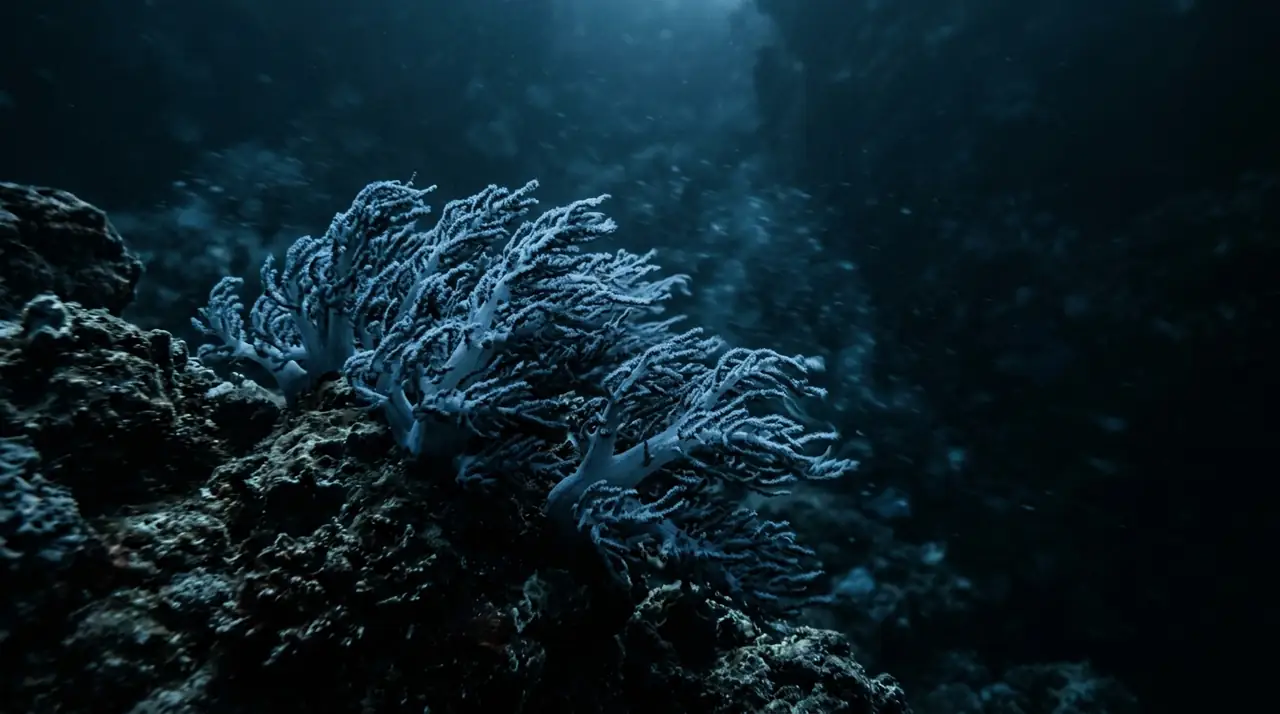
Ile-a-Vache Reef
Overview
Ile-a-Vache lies off Haiti's southern coast, a sleepy Caribbean island of fishing villages and palm-shaded beaches that happens to be surrounded by some of the healthiest coral reefs remaining in the Greater Antilles. While the rest of the Caribbean has watched its reefs decline under the combined assault of warming, disease, hurricanes, and overtourism, the reefs around Ile-a-Vache have survived in remarkable condition, protected by the very isolation and lack of infrastructure that keeps most divers away. I reached the island by boat from Les Cayes, a forty-five minute crossing over turquoise water that transitioned from murky near the coast to Caribbean-clear as we approached the island's reef system. The boat anchored over a patch reef on the western side, and even from the surface I could see the coral formations below, an encouraging sign of the visibility that awaited. The descent revealed a reef that would have been unremarkable in the Caribbean of the 1970s but today seems almost miraculous. Stands of staghorn coral grew in dense thickets, their branches healthy and intact, reaching upward from a substrate of brain coral and star coral that showed no signs of the bleaching scars that mark reefs throughout the region. Elkhorn coral formations in the shallows spread their broad, flat branches in overlapping tiers, creating shelter for clouds of juvenile fish. Queen angelfish moved through the coral with their characteristic regal bearing, their blue-and-yellow coloring almost too vivid against the reef background. French angelfish paired off in the mid-water, and yellowtail snapper schooled above the reef in shifting curtains of silver. At the reef edge, where the coral dropped away to a sandy slope at twenty-five meters, a nurse shark rested motionless beneath a ledge, its gill slits pulsing rhythmically. The deeper section produced the dive's most exciting encounter: a Caribbean reef shark cruised in from the blue, circled the reef edge twice at close range, and departed with unhurried grace. Spotted eagle rays glided over the sandy patches between reef structures, their wing-like pectoral fins undulating in the slow, deliberate manner that makes them among the ocean's most elegant movers.
Early access
Plan a dive here
Open the DiveOne planner to sketch a recreational plan before you go. It is a planning assistant, not a dive computer.
Marine life
Dive profile
DEPTH PROFILE
DEPTH PROGRESSION & WAYPOINTS: Ile-a-Vache Reef
Location
Frequently asked questions
Is it safe to travel to Ile-a-Vache for diving?
Ile-a-Vache is a small, rural island that is generally considered separate from the security challenges affecting Haiti's capital Port-au-Prince. Access is via Les Cayes in southern Haiti, which is typically calmer than the capital. However, travelers should monitor current conditions carefully, obtain up-to-date travel advisories, and make arrangements through established local contacts. The island itself is peaceful, with a small fishing community and limited tourism infrastructure.
Why are the reefs around Ile-a-Vache in such good condition?
Several factors contribute to the health of Ile-a-Vache reefs. The island's remoteness and Haiti's limited dive tourism industry mean the reefs receive almost no diver traffic. Local fishing practices, while present, have been less destructive than commercial trawling seen elsewhere. The island's position on Haiti's southern coast shelters it from the worst hurricane paths that regularly damage Caribbean reefs further north. Additionally, limited coastal development has kept pollution and runoff relatively low compared to more developed Caribbean islands.
What diving facilities are available at Ile-a-Vache?
Diving facilities at Ile-a-Vache are very basic. There is no established dive center with rental equipment, compressors, or certified guides as of current information. Divers typically need to be self-sufficient with equipment and arrange boat transportation through local fishermen or the small number of guesthouses on the island. Some operators from Les Cayes occasionally organize dive trips to the island's reefs. The nearest hyperbaric chamber is in Port-au-Prince, underscoring the need for conservative dive planning.
Reviews
Reviews
No reviews yet
Data Provenance
This profile is compiled from 3 operator submissions and 142 community logs. Key facts (depth, entry) are verified against official hydrographic charts.