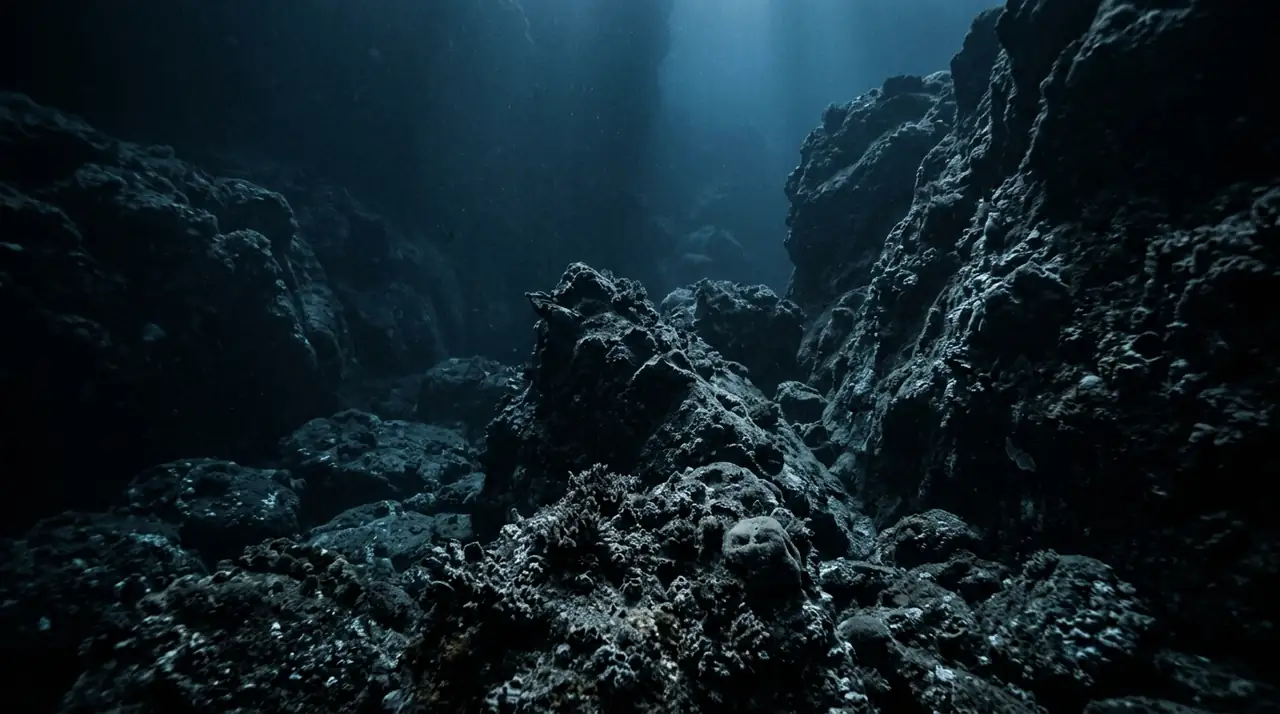
Ifaty Reef
Overview
Ifaty Reef runs for 18 kilometres along Madagascar's arid southwest coast, a barrier reef system of surprising scale and beauty fronting a landscape of baobab forests and spiny bush. Madagascar separated from mainland Africa 160 million years ago, and its marine biodiversity carries the signature of that ancient isolation: coral assemblages and species combinations found nowhere else in the Indian Ocean, a reef system that feels simultaneously familiar and subtly different from anything you have dived before. I reached Ifaty via a bumpy hour-long drive from Toliara on an unpaved road, past Vezo fishing villages and pirogue boats drawn up on white sand. The single dive centre operated from a basic beachfront facility, and the boat ride to the outer reef took fifteen minutes in a traditional wooden pirogue fitted with an outboard motor. The infrastructure is modest, which is exactly what keeps the reef genuine. The outer barrier drops from a shallow reef flat at three metres to a sandy slope at 25 metres, and the coral diversity was immediately apparent. Massive Porites colonies grow alongside delicate Acropora tables, and the particular combinations of species reflect Madagascar's unique position at the confluence of Indian Ocean and Mozambique Channel influences. What surprised me most was the macro life. Within the first twenty minutes, my guide pointed out a thorny seahorse clinging to a gorgonian, a painted frogfish wedged into a sponge, and an ornate ghost pipefish hovering among crinoid arms. Green turtles are common on the reef, and their behaviour suggests limited interaction with divers. Several allowed approach to within a metre before slowly swimming away. The reef edge attracts groupers, lionfish, and occasional whitetip reef sharks, though the macro diversity is the primary draw for underwater photographers.
Early access
Plan a dive here
Open the DiveOne planner to sketch a recreational plan before you go. It is a planning assistant, not a dive computer.
Marine life
Dive profile
DEPTH PROFILE
DEPTH PROGRESSION & WAYPOINTS: Ifaty Reef
Location
Frequently asked questions
How do you get to Ifaty for diving?
Ifaty is a small fishing village located 27 kilometres north of Toliara on Madagascar's southwest coast. Toliara is reached by domestic flights from Antananarivo, the capital, with Air Madagascar operating regular service. From Toliara, the road to Ifaty takes approximately one hour by taxi or arranged transfer on an unpaved road. Several small hotels and eco-lodges in Ifaty cater to divers and beachgoers. The village has limited infrastructure with intermittent electricity and no ATMs, so bringing sufficient cash is essential.
What makes Ifaty Reef different from other Indian Ocean reef destinations?
Madagascar's 160-million-year isolation from mainland Africa has produced unique marine biodiversity with high endemism. Ifaty's reef supports coral assemblages that combine Indian Ocean species with Malagasy endemics found nowhere else. The reef system is one of the largest in the Indian Ocean at 18 kilometres, yet receives perhaps fifty divers per month compared to thousands at Maldives or Mauritius equivalents. This means undisturbed marine life, unexplored reef sections, and the genuine possibility of diving sites where no one has been before.
Is Ifaty Reef in good condition or has it suffered coral bleaching?
Ifaty Reef has experienced coral bleaching events, particularly in 1998 and 2016, and some sections show degradation from these events and from local fishing pressure. However, significant portions of the reef, particularly the outer barrier and deeper sections beyond 15 metres, retain healthy coral cover with good diversity. The relative absence of coastal development and industrial pollution means recovery potential is high. Conservation organisations including Blue Ventures work with local communities on reef management and sustainable fishing practices in the area.
Reviews
Reviews
No reviews yet
Data Provenance
This profile is compiled from 3 operator submissions and 142 community logs. Key facts (depth, entry) are verified against official hydrographic charts.