Huatulco Reef
Overview
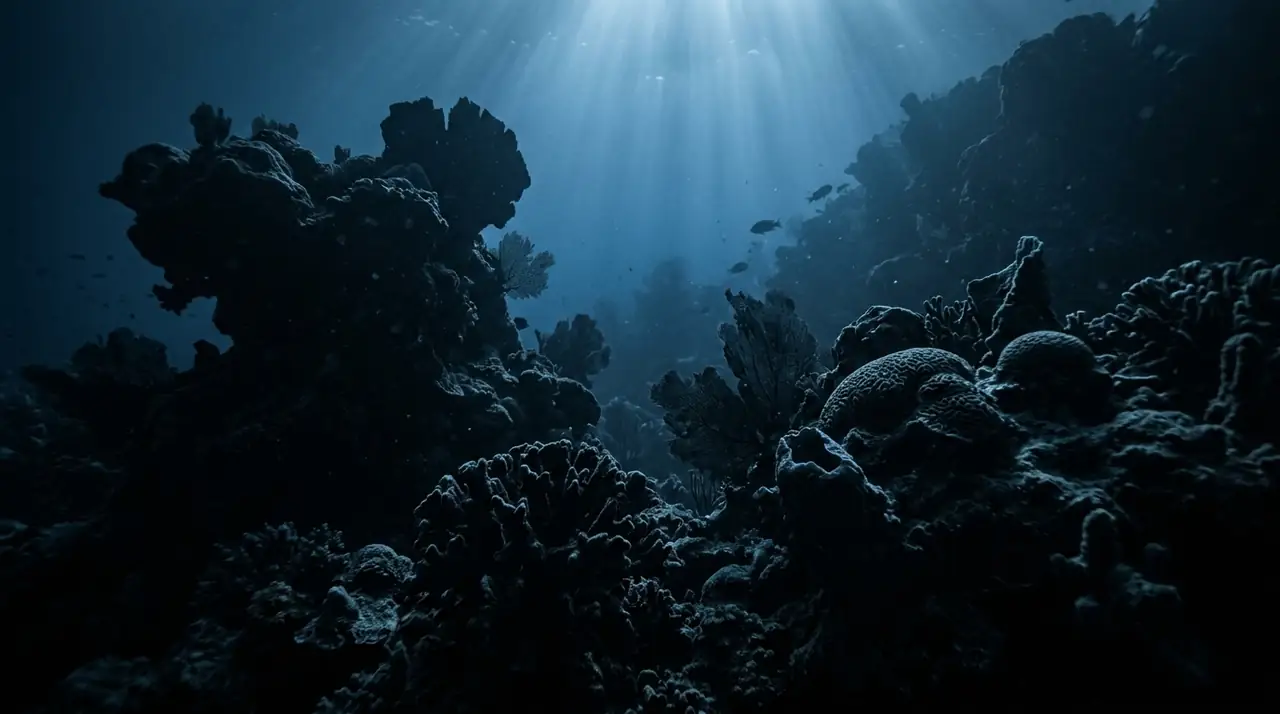
Huatulco sits where the Sierra Madre del Sur mountains tumble directly into the Pacific, creating a coastline of nine sheltered bays backed by dense tropical forest. This corner of Oaxaca is known to beach holidaymakers and surfers but remains almost invisible on the global diving map. That obscurity is the point. Within Huatulco National Park, healthy reef systems thrive under minimal diving pressure, and the Pacific delivers pelagic encounters that Caribbean destinations cannot match. The dive operation launches from Santa Cruz bay, a small marina surrounded by restaurants serving Oaxacan mole and fresh ceviche. The ride to outer sites takes 20 to 40 minutes along a coastline of staggering beauty. Rocky headlands separate white sand beaches backed by jungle, with frigate birds wheeling overhead and brown boobies diving into baitballs visible from the surface. I descended at Riscalillo to a reef slope covered in purple sea fans and barrel sponges, the rocky substrate alive with king angelfish in electric blue and orange. The reef drops from 8 metres to a sandy bottom at 25 metres, and along the deeper edge, white-tip reef sharks rest in small caves during daytime. A green sea turtle the size of a coffee table glided past, completely habituated to the rare divers who visit. The signature Huatulco experience comes in winter, when schooling mobula rays arrive. Formations of 50 to 100 rays cruise past the reef edges in perfect synchronisation, their white bellies flashing as they bank and turn. On the surface between dives, humpback whales breach and slap tails. The combination of reef diving and megafauna encounters in a single morning defines Huatulco's appeal. Diving here is straightforward. Warm water, moderate depths, and generally manageable currents make it intermediate territory. The challenge is not the conditions but reaching this overlooked stretch of Pacific coast. Those who make the journey discover Mexico's quietest secret: a national park where the reef is genuinely healthy and the ocean still delivers wonder without crowds.
Early access
Plan a dive here
Open the DiveOne planner to sketch a recreational plan before you go. It is a planning assistant, not a dive computer.
Marine life
Dive profile
DEPTH PROFILE
DEPTH PROGRESSION & WAYPOINTS: Huatulco Reef
Location
Frequently asked questions
Is Huatulco a good diving destination compared to the Caribbean side of Mexico?
Huatulco offers a distinctly different experience from Caribbean Mexico. The Pacific reefs here feature different coral species, larger pelagic encounters, and far fewer divers. While Caribbean sites like Cozumel offer superior visibility and extensive coral reef systems, Huatulco compensates with schooling mobula rays, seasonal humpback whales, and reef diversity that benefits from nutrient-rich Pacific currents. The diving is less developed with only a few operators, meaning you rarely encounter other dive groups. For divers who have already explored Caribbean Mexico, Huatulco provides genuinely different marine life encounters.
What are the best dive sites within Huatulco National Park?
The most popular dive sites include La Entrega, a sheltered bay ideal for beginners with abundant reef fish and occasional turtles at 8 to 15 metres depth. Riscalillo offers deeper walls to 25 metres with sea fans, moray eels, and white-tip reef sharks. Isla Cacaluta has the best pelagic encounters with mobula rays and occasional mantas in the blue water beyond the reef. San Agustin Bay features scattered coral heads where octopuses and seahorses hide. The Violin Reef further offshore requires calm conditions but delivers the largest fish aggregations.
How do I combine diving with Huatulco's other attractions?
Huatulco is unusual among dive destinations because it offers excellent non-diving activities alongside the underwater world. The nine bays of the national park are accessible by boat for snorkelling, and the surrounding Sierra Madre del Sur mountains provide waterfalls, coffee plantations, and indigenous Zapotec communities. The town itself has excellent Oaxacan cuisine, considered Mexico's finest regional food. Most divers combine morning two-tank dives with afternoon cultural activities, making Huatulco ideal for travelling with non-diving companions.
Reviews
Reviews
No reviews yet
Data Provenance
This profile is compiled from 3 operator submissions and 142 community logs. Key facts (depth, entry) are verified against official hydrographic charts.