Hiroshi Point
Overview
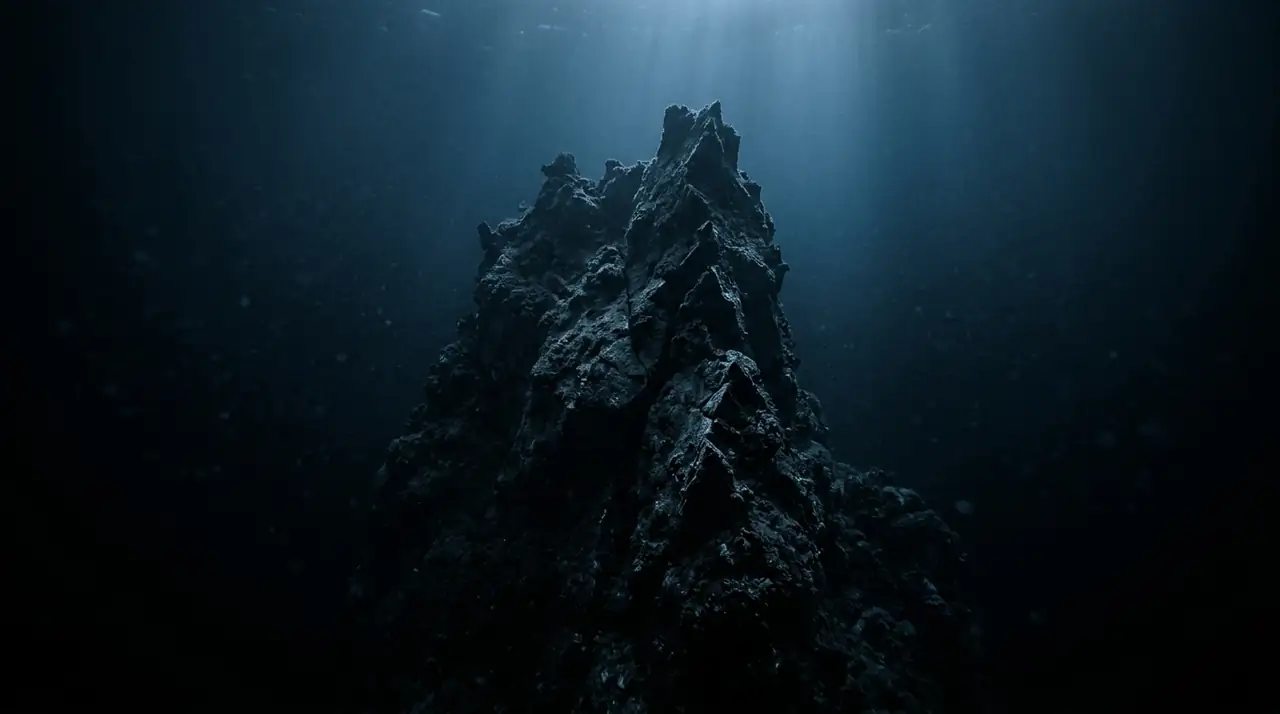
Kosrae is the forgotten island of Micronesia, a volcanic peak rising from the Pacific with a population smaller than many apartment blocks and reefs that marine biologists rank among the healthiest on the planet. Among its twenty-odd dive sites, Hiroshi Point on the northwestern coast stands as possibly the finest wall dive in the tropical Pacific that almost nobody has heard of. The wall begins at the reef crest, barely five metres below the surface, and drops vertically into deep blue. But what stops you mid-descent is not the depth, it is the coral. Hiroshi Point's wall is carpeted in hard coral so dense that exposed rock is virtually absent. Staghorn colonies cascade down the vertical face in formations that seem to defy gravity. Massive table corals extend horizontally from the wall, each one a metre or more across, sheltering clouds of damselfish and fairy basslets. Scientific surveys of Kosrae's reefs have recorded hard coral coverage exceeding ninety percent, a figure now extraordinary globally. The reasons are simple: Kosrae has fewer than seven thousand residents, zero coastal development, no significant agricultural runoff, and effective marine protection. The reefs have been left alone, and they have rewarded that neglect with abundance. Grey reef sharks patrol the wall edge between twenty-five and thirty-five metres, moving with the unhurried authority of apex predators in a functioning ecosystem. Eagle rays glide along the wall face, and green and hawksbill turtles rest on coral ledges. Giant clams, some exceeding a metre across, nestle in the reef flat shallows. The diving infrastructure consists of a single operator, and that is part of the experience. You will not share the wall with another boat. The silence underwater, broken only by your own bubbles and the distant crack of parrotfish teeth on coral, is the sound of a reef that has never known tourism pressure. Kosrae demands effort to reach via the United Airlines Island Hopper route and offers no luxury resorts. What it offers is the Pacific as it once was.
Early access
Plan a dive here
Open the DiveOne planner to sketch a recreational plan before you go. It is a planning assistant, not a dive computer.
Marine life
Dive profile
DEPTH PROFILE
DEPTH PROGRESSION & WAYPOINTS: Hiroshi Point
Location
Frequently asked questions
How do I get to Kosrae for diving?
Kosrae is served by United Airlines' Island Hopper route, which connects Honolulu to Guam with stops at several Micronesian islands including Kosrae. Flights typically operate several times per week. From Kosrae's airport near Tofol, the island's single dive operator provides transfers and full diving services. There is no need for onward boat travel as all dive sites are accessible by day boat from the harbour. Accommodation is limited to a handful of small hotels and guesthouses, and advance booking is strongly recommended.
Why is Kosrae's coral cover so exceptional?
Kosrae's reefs have been spared the major bleaching events and storm damage that have affected much of the tropical Pacific. The island's isolated location, small population of around 6,600 people, minimal coastal development, and absence of significant agricultural runoff have preserved reef health. Additionally, Kosrae established marine protected areas early and enforced fishing regulations effectively. Scientists from the University of Hawaii and other institutions have documented hard coral cover exceeding 90 percent at several sites, making Kosrae's reefs among the healthiest measured anywhere in the Pacific.
What diving experience is needed for Hiroshi Point?
Hiroshi Point is suitable for intermediate to advanced divers. The wall descends beyond recreational limits, but the most interesting diving occurs between 10 and 35 metres where coral cover is densest and shark encounters are most frequent. Moderate currents run along the wall, requiring comfort with drift diving techniques. Advanced Open Water certification is recommended, and divers should have experience managing depth on wall dives. The site has no mooring lines, so free descent to the wall top at around 5 metres is standard.
Reviews
Reviews
No reviews yet
Data Provenance
This profile is compiled from 3 operator submissions and 142 community logs. Key facts (depth, entry) are verified against official hydrographic charts.