Hel Peninsula Wrecks
Overview
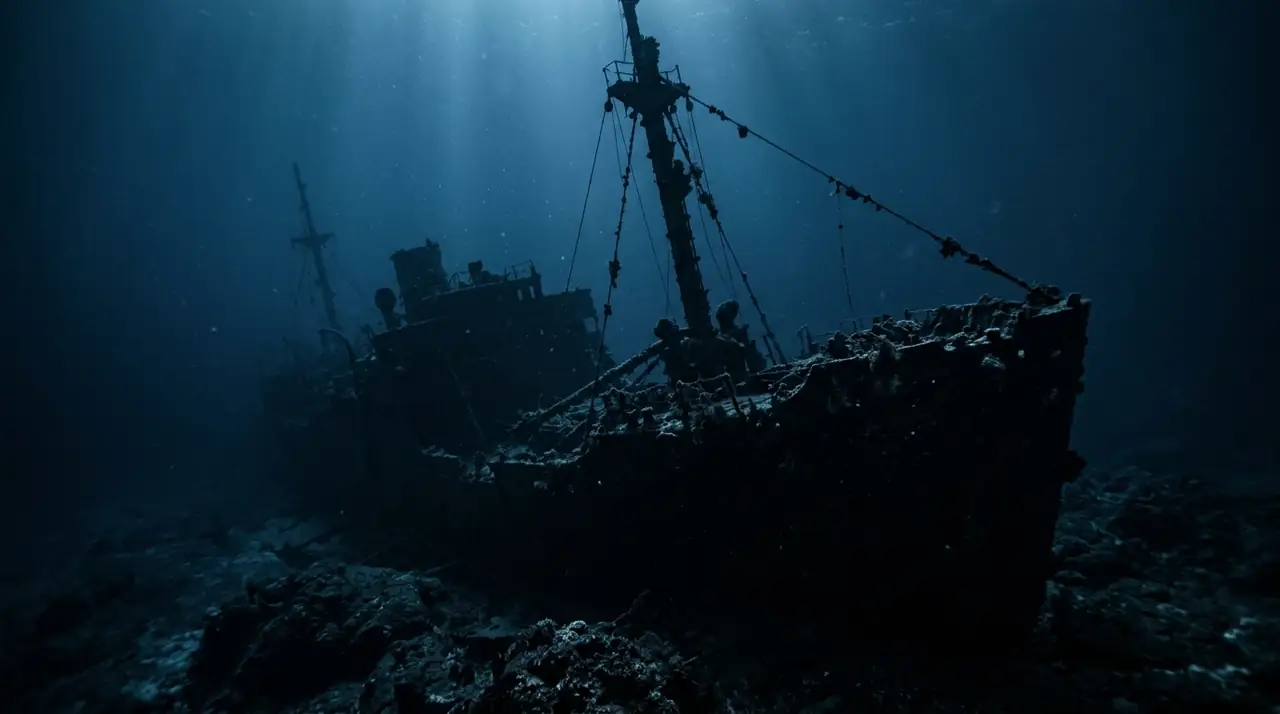
The Hel Peninsula is a 35-kilometre-long sand spit curving north from the Polish coast into the Bay of Gdansk, forming a natural breakwater that has shaped naval strategy in this corner of the Baltic for centuries. During the September 1939 invasion, the Polish naval base at Hel was the last point of organised military resistance, holding out for over a month against German air and naval bombardment. The battles that raged here, and the naval operations that continued through the war's final chaotic months in 1945, left a dense concentration of wrecks across the seabed. I boarded a RIB at Hel harbour on a warm September morning and ran fifteen minutes north to the first wreck, a German patrol vessel lying on her side at 23 metres. The peninsula's sandy shore was visible as a thin yellow line to the south, beyond it the open Baltic stretching to the horizon. Descending through the thermocline was like passing through a cold curtain. Below 12 metres the water temperature dropped sharply and the light took on a deep green cast that is characteristic of Baltic wreck diving. The patrol vessel was compact, maybe thirty metres long, and her hull was thickly colonised by blue mussels that gave the wreck an organic, almost living appearance. A gun mount at the bow was still trained forward, its barrel encrusted but clearly recognisable. I swam along the exposed keel, noting the propeller shaft still running to a single bronze propeller half-buried in sand. The stern section had collapsed, but amidships the deckhouse remained intact, and through a hatchway I could see the interior passageway receding into darkness.
Early access
Plan a dive here
Open the DiveOne planner to sketch a recreational plan before you go. It is a planning assistant, not a dive computer.
Marine life
Dive profile
DEPTH PROFILE
DEPTH PROGRESSION & WAYPOINTS: Hel Peninsula Wrecks
Location
Frequently asked questions
What are the most notable wrecks off Hel Peninsula?
The waters around Hel Peninsula contain numerous WWII wrecks from the intense naval operations that took place in the Bay of Gdansk during 1939 and 1945. Notable sites include German minesweepers, patrol boats, and transport vessels, as well as several Polish naval craft. Some of the most popular dives are on smaller escort vessels at 20 to 25 metres depth where gun mounts and deck equipment remain clearly visible. The deeper wrecks at 28 to 32 metres include larger transport vessels with accessible interior spaces. Not all wrecks have been positively identified and historical research continues.
How do I arrange wreck diving at Hel Peninsula?
Several dive centres operate in the Hel and Jastarnia area along the peninsula, offering wreck diving charters during the summer season from June through September. Most trips depart from Hel harbour and reach the wreck sites in 15 to 30 minutes. Advance booking is essential as trips depend on weather conditions and group sizes are limited. The larger dive centres in the Tri-City area of Gdansk, Gdynia, and Sopot also run excursions to Hel Peninsula wrecks. A minimum of advanced open water certification is required.
What exposure protection is needed for Hel Peninsula diving?
A drysuit is the standard for Hel Peninsula wreck diving, as water temperatures at depth range from 3 to 8 degrees Celsius even in summer, despite surface temperatures reaching 16 to 19 degrees. The thermocline is often dramatic and can drop temperature by 10 degrees within a few metres. A hood, dry gloves, and appropriate undergarments are essential. Some experienced divers use thick semi-dry suits during peak summer but drysuits are strongly recommended for the deeper wreck sites.
Reviews
Reviews
No reviews yet
Data Provenance
This profile is compiled from 3 operator submissions and 142 community logs. Key facts (depth, entry) are verified against official hydrographic charts.