Hamata Southern Reefs
Overview
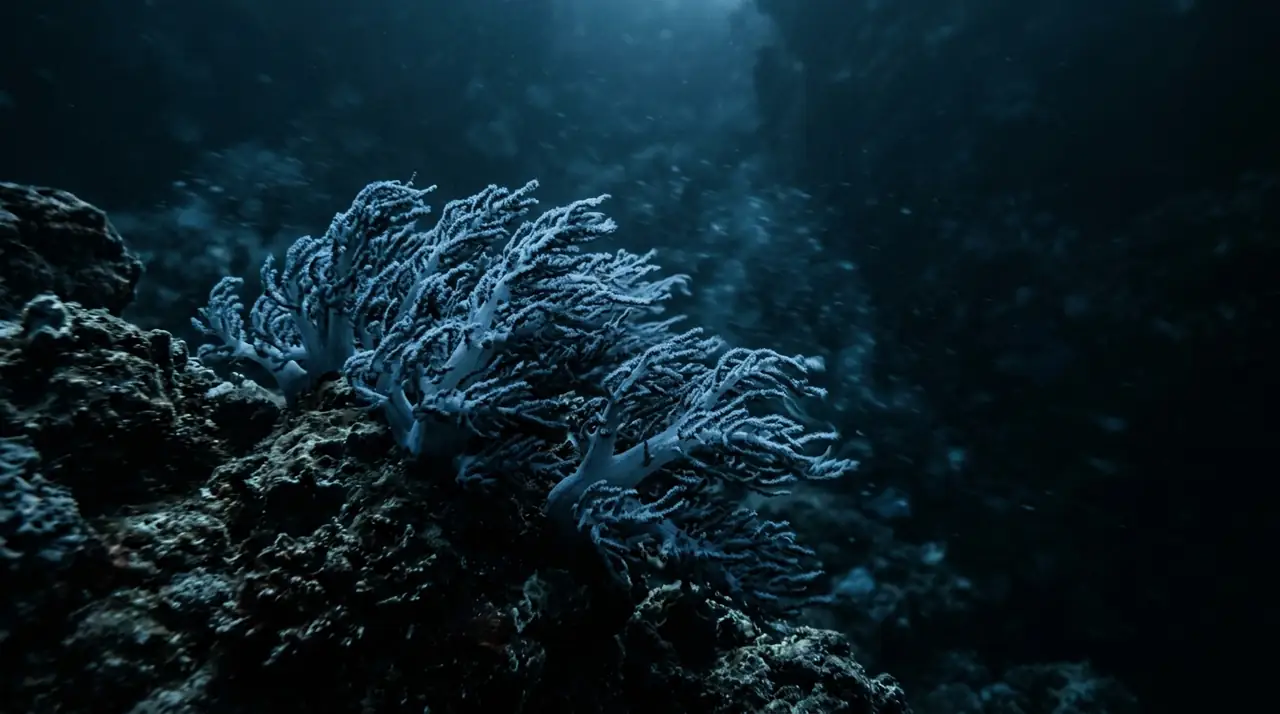
Hamata represents the end of Egypt's accessible Red Sea coastline, a small fishing harbour five hours south of Hurghada where the tourist infrastructure thins to almost nothing and the offshore reefs exist in a condition that the northern sites lost decades ago. For divers willing to make the journey, Hamata's southern reefs deliver the Red Sea's best-kept promise: world-class reef diving with almost no one else around. The offshore reef systems form a chain of coral structures rising from deep water. The boat ride takes 30 to 45 minutes, crossing open water that shifts from coastal turquoise to deep oceanic blue. Visibility regularly exceeds 30 metres, a clarity that renders the reef in photographic detail from distance. The coral is in superb condition. Hard coral coverage on the reef tops is dense and diverse, with massive Porites forming the structural base and delicate Acropora filling the gaps. The absence of anchor damage and fishing pressure allows the reef to grow at its natural pace, with an undisturbed quality increasingly rare in the Red Sea. Spinner dolphins are the headline attraction. The resident pods use the shallow lagoons of nearby reef formations as resting areas, and encounters are remarkably consistent. Watching thirty or more spinners turning lazy circles in water so clear that every detail is visible is an experience that transcends diving categories. They approach snorkellers with apparent curiosity, and the interactions are voluntarily initiated on both sides. The reef walls host robust marine life. Green and hawksbill turtles are resident year-round, grey reef sharks patrol the drop-offs, and Napoleon wrasse cruise the walls. Schools of barracuda form silver tornados in the blue water, and giant morays peer from holes with mouths agape. Hamata is not convenient. The drive is long, the facilities basic, and operating dive centres can be counted on one hand. This is precisely its value. In a Red Sea where famous sites feel like underwater highways, Hamata offers the space, quiet, and reef health that made the Red Sea's reputation.
Early access
Plan a dive here
Open the DiveOne planner to sketch a recreational plan before you go. It is a planning assistant, not a dive computer.
Marine life
Dive profile
DEPTH PROFILE
DEPTH PROGRESSION & WAYPOINTS: Hamata Southern Reefs
Location
Frequently asked questions
How do I get to Hamata for diving?
Hamata is located approximately 120 kilometres south of Marsa Alam and about 350 kilometres south of Hurghada. The nearest airport is Marsa Alam International Airport, from which the drive to Hamata takes roughly 2 hours along the coastal road. A small number of dive operators maintain bases at Hamata's modest harbour, running day trips to the offshore reefs. Some liveaboards departing from Marsa Alam or Port Ghalib include Hamata's reefs in their southern itineraries. Accommodation options near Hamata are limited to a few eco-lodges and camps.
What are the main reef systems accessible from Hamata?
Hamata serves as the departure point for several offshore reef systems including Shaab Sataya (also known as Dolphin Reef), Shaab Claudio, and the Fury Shoal complex. These reef systems sit between 5 and 20 kilometres offshore and require boat access. Shaab Sataya is particularly famous for its resident spinner dolphin pod. The reefs form a chain running roughly north-south and offer a variety of diving experiences from shallow coral gardens and swim-throughs to wall dives and drift dives depending on the specific site and conditions.
Are dolphin encounters guaranteed at Hamata?
While the resident spinner dolphin pods at nearby Shaab Sataya are remarkably consistent, no wildlife encounter is guaranteed. The dolphins live year-round in the protected lagoon of Sataya reef and are present on the majority of visits. Encounters are conducted as snorkelling sessions rather than dives, as the dolphins frequent the shallow reef top at 3 to 10 metres depth. Operators follow established codes of conduct including no chasing, no touching, and maintaining respectful distance. The dolphins frequently initiate interaction themselves, approaching snorkellers out of apparent curiosity.
Reviews
Reviews
No reviews yet
Data Provenance
This profile is compiled from 3 operator submissions and 142 community logs. Key facts (depth, entry) are verified against official hydrographic charts.