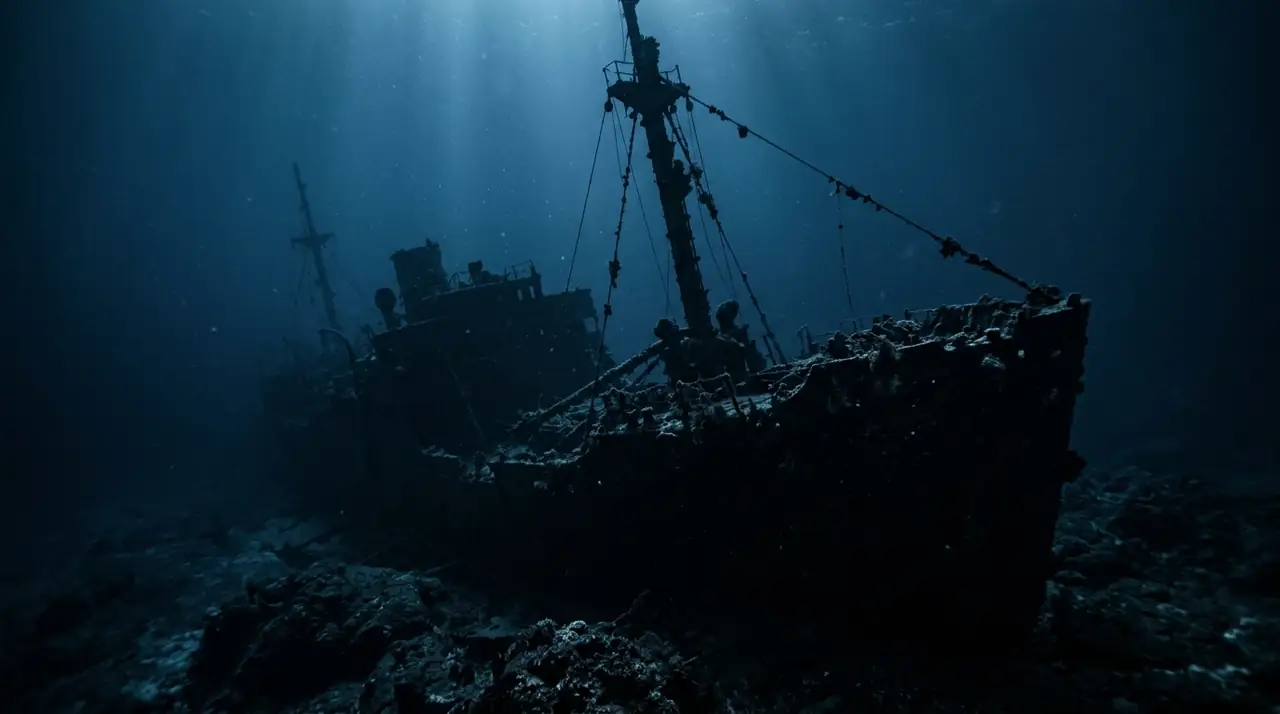
Halifax Harbour Shipwrecks
Overview
Halifax has been one of the North Atlantic's most strategically important harbours for over 300 years, and the sea floor around this Nova Scotia capital tells that history in sunken steel, rotting timber, and encrusted artefacts. From colonial-era warships to World War Two destroyers, from merchant vessels torpedoed by U-boats to fishing schooners lost in Atlantic storms, the Halifax area contains over 70 documented wreck sites, making it one of the most wreck-dense diving destinations in Canada. During both World Wars, Halifax served as the primary assembly point for convoys crossing the Atlantic. Hundreds of merchant ships gathered in Bedford Basin before making the dangerous crossing to Europe, and the harbour approaches were patrolled by escort vessels hunting German submarines. The inevitable losses, from U-boat attacks, collisions in fog, and the brutal North Atlantic weather, created a collection of wrecks spanning the full spectrum of twentieth-century naval and merchant shipping. The diving is cold-water Atlantic in character: dry suits are mandatory, visibility varies from five to fifteen metres depending on tides and plankton, and the wrecks lie on silty bottoms that demand buoyancy control. But what these waters lack in tropical warmth, they compensate with historical weight and biological productivity. North Atlantic cold water is nutrient-rich, and the wrecks are colonised by dense communities of plumose anemones, their white tentacles swaying in the current like underwater chrysanthemums. Atlantic wolffish, with their powerful jaws and distinctly grumpy faces, occupy crevices in the wreck structures. Lobsters wave their antennae from under collapsed deck plates. Sea ravens, one of the ugliest and most charismatic fish in the North Atlantic, sit motionless on the wreck surfaces, their mottled camouflage rendering them nearly invisible until they move. Lumpfish, bizarre rounded creatures with sucker discs, cling to vertical surfaces during their spring spawning season. The HMCS Saguenay, a River-class destroyer that served as a convoy escort during the Battle of the Atlantic, is among the most dived wrecks. She lies in approximately 27 metres near Herring Cove, broken but recognizable, her hull plating colonised by decades of marine growth. Swimming along her deck, past the remnants of gun mountings and depth charge racks, the wartime history is tangible. The Halifax Explosion of 1917, the largest man-made explosion before the atomic age, when the munitions ship Mont-Blanc collided with the SS Imo in the harbour narrows, adds another layer of maritime history. While little remains of these vessels, the event transformed the harbour and its approaches, and modern dive sites in the narrows carry the echoes of that catastrophe. Halifax itself is a vibrant maritime city with excellent infrastructure for divers. Several experienced dive operators run regular wreck-diving charters throughout the summer season, and the Maritime Museum of the Atlantic provides outstanding context for the wrecks lying offshore.
Early access
Plan a dive here
Open the DiveOne planner to sketch a recreational plan before you go. It is a planning assistant, not a dive computer.
Marine life
Dive profile
DEPTH PROFILE
DEPTH PROGRESSION & WAYPOINTS: Halifax Harbour Shipwrecks
Location
Frequently asked questions
What are the most notable wrecks near Halifax?
The Halifax area contains over 70 documented wreck sites spanning centuries. Among the most popular are HMCS Saguenay, a World War Two destroyer lying in 27 metres near Herring Cove, and the SS Havana, a steel-hulled steamer broken up on a reef near Sambro. The approaches to Halifax were heavily used during both World Wars as a convoy assembly point, resulting in numerous losses from U-boat attacks and maritime accidents. Colonial-era wooden sailing vessels, though less intact, can be explored at several sites within the harbour. Many wrecks are actively researched by local maritime archaeological groups.
What exposure protection is needed for Halifax diving?
Halifax's North Atlantic waters require serious exposure protection. Water temperatures range from near freezing at 2 degrees Celsius in winter to a maximum of about 18 degrees in late summer. Dry suits are standard for all Halifax diving, even during the warmest months, as bottom temperatures at wreck depths can be significantly colder than the surface due to thermoclines. Thick gloves, hoods, and warm undergarments are essential. Most local dive operators provide dry suit orientation for visiting divers not accustomed to cold-water equipment.
Is Halifax diving suitable for beginners?
While some shallower wreck sites and shore dives near Halifax are suitable for certified beginners with cold-water experience, most of the significant wreck dives are recommended for intermediate to advanced divers. The combination of cold water, variable visibility, currents in the harbour approaches, and the depth of many wrecks creates conditions that benefit from experience. Several Halifax dive shops offer guided wreck dive packages that include thorough briefings and experienced divemasters. Beginners are typically directed to calmer, shallower sites before progressing to the deeper wrecks.
Reviews
Reviews
No reviews yet
Data Provenance
This profile is compiled from 3 operator submissions and 142 community logs. Key facts (depth, entry) are verified against official hydrographic charts.