Grevelingen Lake
Overview
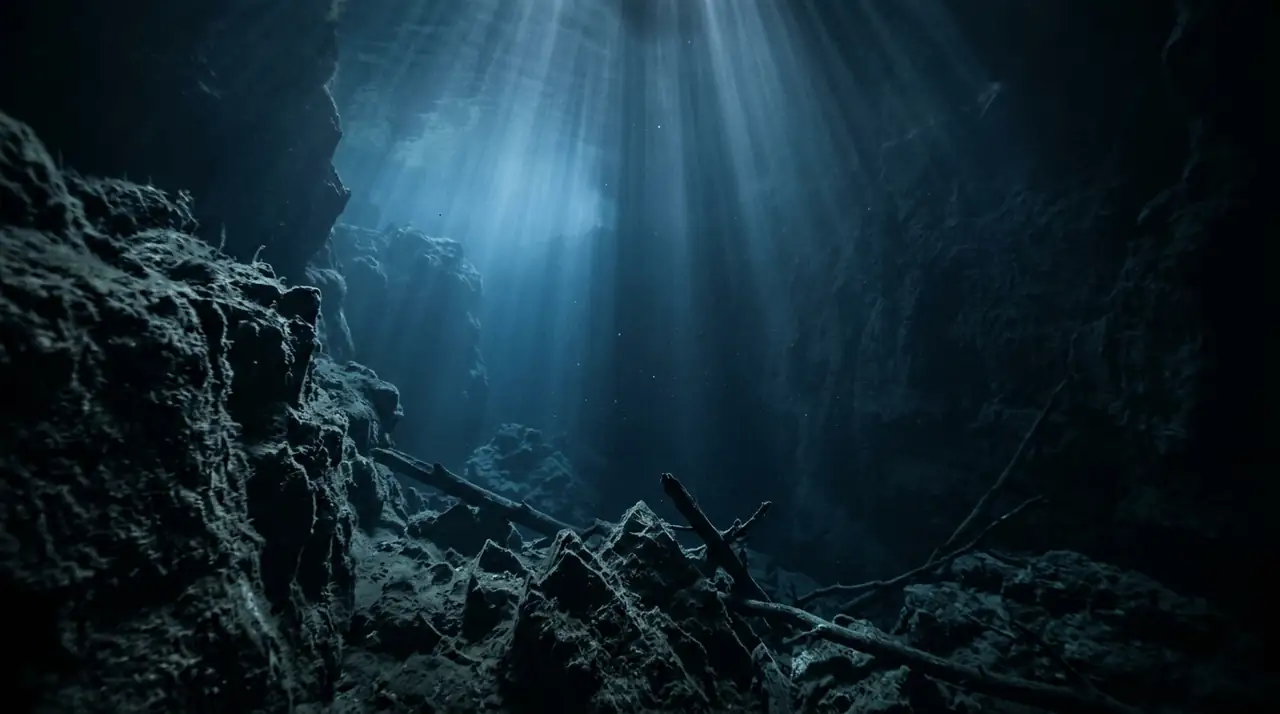
Grevelingen Lake is a body of water that should not exist. When the Dutch sealed this estuary with dams in 1971 as part of the Delta Works, they created Europe's largest saltwater lake, a hundred-and-ten square kilometres of trapped North Sea water that has spent fifty years developing into a unique dive environment. The absence of tidal currents defines the lake for divers. While neighbouring sites demand precise slack-water timing, Grevelingen can be dived at any time, in any weather, at any skill level. This makes it Northern Europe's most reliable dive location and a critical training ground for thousands of divers each year. I entered from a slipway on the southern shore, my drysuit providing insurance against the thermocline lurking below. Visibility was five metres, typical for summer when plankton blooms cloud the upper water column. Below the thermocline at ten metres, the water cleared slightly and cooled dramatically. The lake bed is a landscape of old oyster beds, rock dumps, and estuary remnants. Every hard surface is colonised. Plumose anemones form dense carpets on rocks and debris. Dahlia anemones occupy prime positions on elevated surfaces. Between them, crabs, gobies, and pipefish fill the spaces. Nudibranchs are the macro attraction. The lake's stable conditions support species easier to find here than on the turbulent open coast. I found several Facelina species on hydroids at eight metres. A large Aeolidia papillosa worked across an anemone colony, immune to the stinging cells that protect its prey. Deeper at twenty metres, the water is cold and dark. Old fishing gear, bottles, and unidentifiable debris from the estuary's former life appear in the torchlight. The lake preserves a moment in time, the day in 1971 when the tide stopped and a new ecosystem began. Gravelingen will never appear on lists of the world's most beautiful dives. But it serves a purpose transcending aesthetics: it is where Northern Europe's diving community learns, practises, and falls in love with the underwater world.
Early access
Plan a dive here
Open the DiveOne planner to sketch a recreational plan before you go. It is a planning assistant, not a dive computer.
Marine life
Dive profile
DEPTH PROFILE
DEPTH PROGRESSION & WAYPOINTS: Grevelingen Lake
Location
Frequently asked questions
What is Grevelingen Lake and why is it saltwater?
Grevelingen Lake was created in 1971 when the Grevelingendam and Brouwersdam closed off the Grevelingen estuary from the North Sea as part of the Delta Works flood protection programme. The trapped seawater remained, creating Europe's largest saltwater lake at approximately 110 square kilometres. Limited water exchange through a sluice maintains salinity but eliminates tidal currents. The lake has developed its own unique marine ecosystem over fifty years, with species adapted to the stable conditions that differ from the open Oosterschelde estuary nearby.
Is Grevelingen suitable for beginner divers?
Grevelingen is one of the best beginner dive locations in Northern Europe. The absence of tidal currents eliminates the timing constraints and current risks present at coastal sites like the Zeelandbrug. Multiple shore entry points with gentle slopes allow easy access. Maximum depth at most dive sites is 15 to 24 metres, and many sites have interesting features at 5 to 10 metres. The lake is popular for training dives, try-dives, and building experience before venturing to tidal sites.
What exposure protection is needed?
A drysuit is standard for Grevelingen diving year-round, as water temperatures range from 4 degrees in winter to 20 degrees at the surface in late summer. Below the thermocline at roughly 8 to 12 metres, temperatures can be significantly colder than at the surface. Full drysuit training is recommended before visiting, though many dive schools at the lake offer drysuit courses. In summer, a thick wetsuit of 7mm is usable for shorter dives, but comfort is significantly better in a drysuit.
Reviews
Reviews
No reviews yet
Data Provenance
This profile is compiled from 3 operator submissions and 142 community logs. Key facts (depth, entry) are verified against official hydrographic charts.