Green Bay
Overview
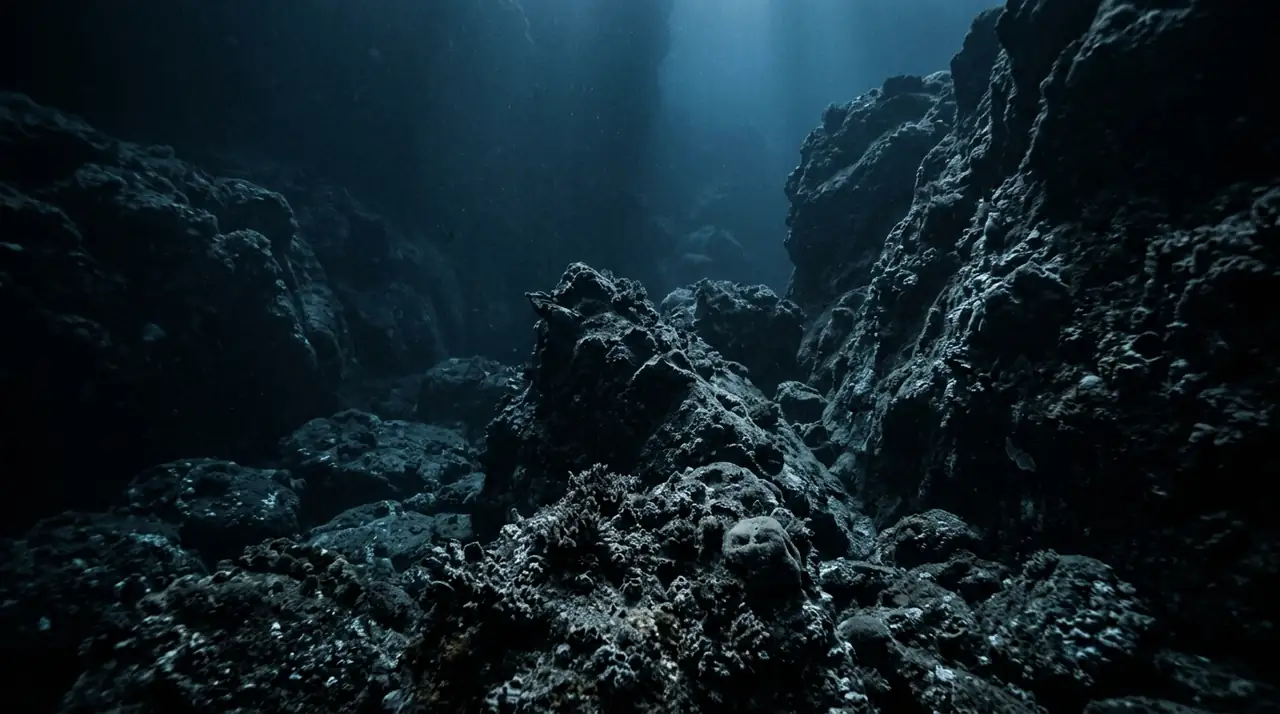
Green Bay in Protaras is proof that exceptional diving does not require exceptional depth. This sheltered east-facing bay on Cyprus's southeastern coast maxes out at around 12 metres, has virtually no current, and can be entered by walking off a concrete platform. Yet it delivers a dive experience that is genuinely engaging and beloved by everyone from first-time divers to experienced Mediterranean specialists. I stepped off the entry platform into clear, warm water and descended to 5 metres over a sandy bottom dotted with Posidonia seagrass patches. The first markers of the underwater trail appeared quickly: replica amphora arranged in clusters, their terracotta surfaces fuzzy with algae and providing shelter for juvenile fish. Further along, a sculpture figure sat on the sand, its features softened by marine growth, sea urchins clustered at its base. The natural reef is a series of low rocky outcrops and ledges running parallel to shore, creating overhangs and crevices hosting an impressive resident population. I found five Mediterranean moray eels on a single dive. Octopus were everywhere, their intelligence on full display as they watched me from den entrances marked by piles of discarded shells. Cuttlefish hung motionless above sandy patches, skin flickering with chromatic waves when approached. The rocky reef supports dense communities of Mediterranean species. Ornate wrasse in vivid green and orange liveries cleaned other fish at established stations. Damselfish defended tiny territories with absurd aggression. Sea bream cruised in loose schools over the reef tops. Green Bay at night is another site entirely. Octopus emerge to hunt, moray eels leave their holes to forage, sleeping parrotfish can be found in mucus cocoons, and shrimp and crabs carpet the rocky surfaces with eyes reflecting red in the beam. The site's shallow depth allows 70 to 90 minute bottom times on a single tank. The combination of accessible conditions, diverse marine life, and the unique sculpture trail creates a site that punches well above what its modest depth profile might suggest.
Early access
Plan a dive here
Open the DiveOne planner to sketch a recreational plan before you go. It is a planning assistant, not a dive computer.
Marine life
Dive profile
DEPTH PROFILE
DEPTH PROGRESSION & WAYPOINTS: Green Bay
Location
Frequently asked questions
Is Green Bay suitable for beginner divers?
Green Bay is one of the best beginner dive sites in the Mediterranean. The maximum depth is around 12 metres, currents are almost nonexistent due to the bay's sheltered orientation, and the sandy bottom with rocky reef patches provides an easy, non-threatening environment. Many Cypriot dive centres use Green Bay for Open Water training dives, and the underwater trail with sculptures and amphora replicas gives new divers interesting subjects to explore while building confidence. Night dives here are also beginner-friendly due to the calm conditions.
What are the underwater sculptures at Green Bay?
Green Bay features a collection of deliberately placed underwater art installations and amphora replicas arranged along a marked diving trail. These include classical-style sculptures, replica ancient pottery, and other art objects that have been positioned to create interest for divers while also providing hard substrate for marine organisms to colonize. Over time, the sculptures have become encrusted with algae and marine growth, blending into the natural reef environment and attracting fish that shelter around and inside the hollow structures.
When is the best time to dive Green Bay?
The diving season runs from April to November, with peak conditions from June through September when water temperatures reach 25 to 27 degrees Celsius and visibility regularly exceeds 20 metres. The bay faces east, so it is sheltered from the prevailing westerly winds that affect other parts of the Cyprus coast. Morning dives typically offer the best visibility before afternoon winds create surface chop. Night dives are particularly rewarding from June to September when warm water temperatures make the experience comfortable.
Reviews
Reviews
No reviews yet
Data Provenance
This profile is compiled from 3 operator submissions and 142 community logs. Key facts (depth, entry) are verified against official hydrographic charts.