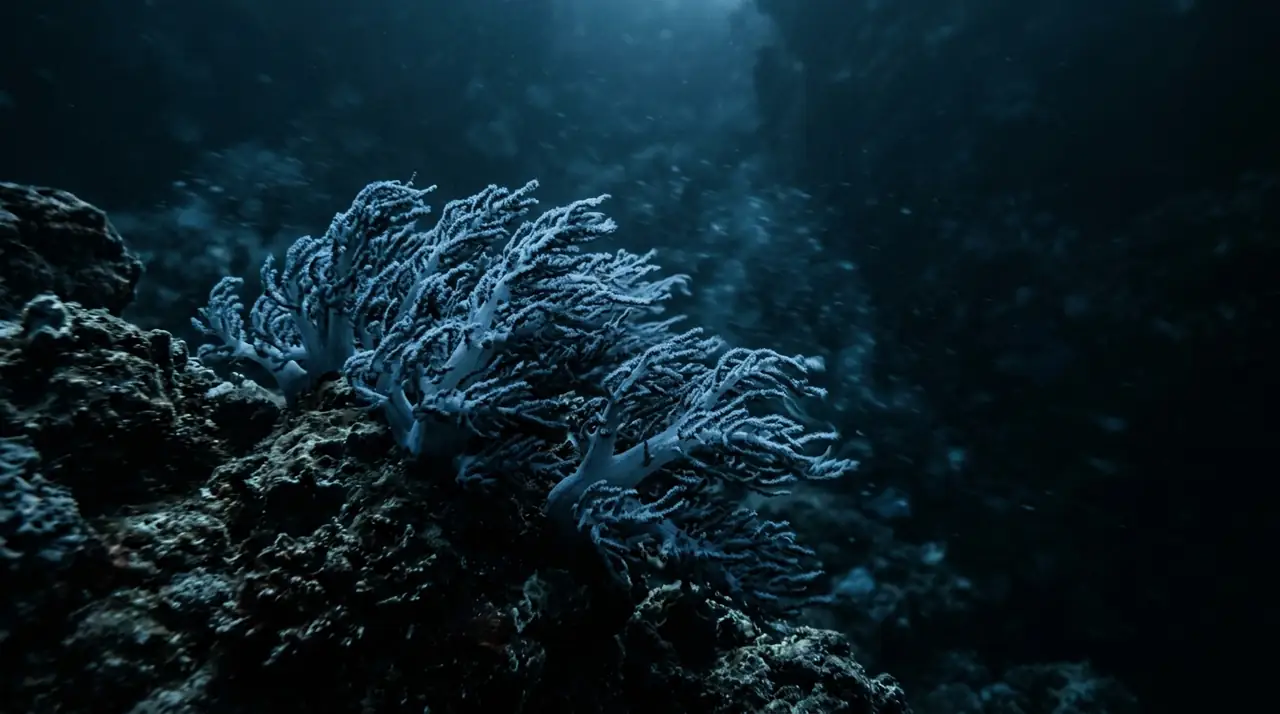
Great Astrolabe Reef
Overview
The Great Astrolabe Reef is one of the Pacific's best-kept diving secrets and one of the largest barrier reefs in the world. Stretching 120 kilometres around the southern coast of Kadavu Island and arcing northward around Ono Island, this colossal reef system ranks as the fourth-largest barrier reef on Earth, yet it receives a fraction of the diving traffic of Australia's Great Barrier Reef or Belize's system. The result is an underwater wilderness of extraordinary health and biodiversity. The reef's massive structure creates numerous passes and channels where tidal currents flush nutrient-rich ocean water across thriving coral communities. Diving in these passes delivers encounters with grey reef sharks, giant trevallies, barracuda, and schools of snapper that congregate in the current. The reef walls and slopes are carpeted with hard and soft corals in pristine condition, their colours amplified by visibility that regularly reaches 25-30 metres during the calm winter months. Scattered seamounts and bommies throughout the system add vertical drama to the flat reef terrain. Resident manta rays are one of the Great Astrolabe Reef's signature attractions. Unlike seasonal manta encounters at many destinations, the mantas at Kadavu are present year-round, using established cleaning stations along the reef passes where cleaner wrasses attend to them. During peak viewing months from May to October, small groups glide through the passes and along the reef edge, their graceful presence elevating already excellent dives. Kadavu Island itself is one of Fiji's least developed major islands, home to small communities that maintain traditional Fijian lifestyles. The limited infrastructure means small dive groups and uncrowded sites, a luxury that becomes increasingly rare as global diving destinations face capacity pressures. Dive resorts on Kadavu and Ono Island provide comfortable accommodation and daily access to dozens of named dive sites along the reef. The combination of a world-class barrier reef, reliable manta encounters, healthy fish populations, and genuine remoteness makes the Great Astrolabe Reef an essential destination for divers seeking the Pacific in its most unspoiled form.
Early access
Plan a dive here
Open the DiveOne planner to sketch a recreational plan before you go. It is a planning assistant, not a dive computer.
Marine life
Dive profile
DEPTH PROFILE
DEPTH PROGRESSION & WAYPOINTS: Great Astrolabe Reef
Location
Frequently asked questions
How do I get to the Great Astrolabe Reef for diving?
The Great Astrolabe Reef surrounds Kadavu Island, which is reached by a 50-minute flight from Suva on Fiji's main island of Viti Levu or from Nadi. Small domestic carriers operate regular flights to Vunisea airstrip. Several dive resorts on Kadavu and neighbouring Ono Island provide accommodation and daily dive trips to the reef. The remote location keeps diver numbers low, preserving the pristine character of the reef.
When is the best time to see manta rays at the Great Astrolabe Reef?
Manta rays are resident at the Great Astrolabe Reef year-round, making sightings possible in any month. However, the highest concentrations occur during the calmer months of Fiji's winter, roughly May through October, when the seas are flatter and manta activity at cleaning stations peaks. During these months, groups of three to six mantas are regularly observed at known stations along the reef passes.
What makes the Great Astrolabe Reef different from other Fiji dive sites?
The Great Astrolabe Reef stretches 120 kilometres, making it the fourth-largest barrier reef in the world. Unlike Fiji's more visited reef systems in the Mamanuca or Yasawa groups, the Astrolabe remains largely undeveloped and receives very few divers. The passes through the barrier create spectacular current-washed channels with healthy hard coral growth, large pelagic fish, and game fish that are rarely seen on more heavily dived reefs.
Reviews
Reviews
No reviews yet
Data Provenance
This profile is compiled from 3 operator submissions and 142 community logs. Key facts (depth, entry) are verified against official hydrographic charts.