Grand Comore Chomoni Coast
Overview
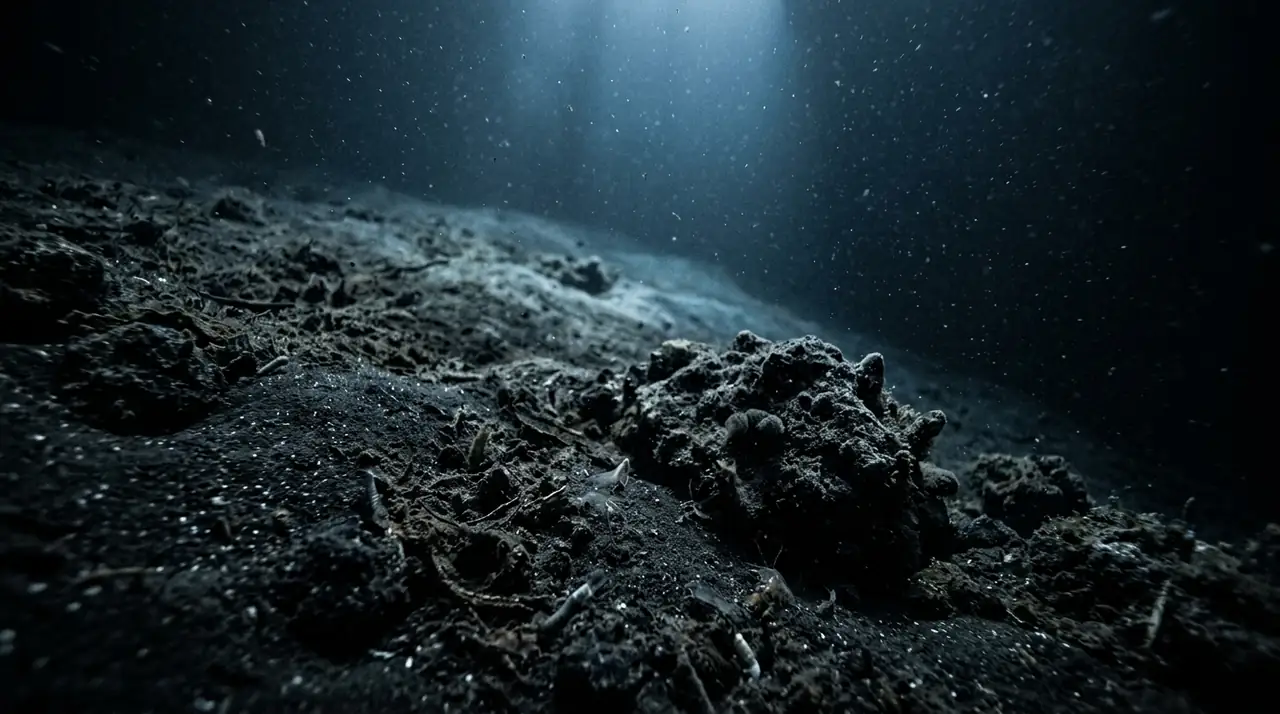
Grand Comore is the youngest and most volcanically active island in the Comoros archipelago, and its underwater topography reflects this geological youth: the island has no continental shelf, no gradual sandy slope into deeper water. Instead, the volcanic rock drops from the shoreline in near-vertical walls into the Mozambique Channel, plunging to over 1,000 metres within a kilometre of the coast. This extreme depth profile creates diving that feels genuinely abyssal, walls disappearing into darkness below your fins while you explore the sunlit upper zone. The Chomoni coast on Grand Comore's eastern shore is where I found the island's most compelling diving. The wall begins at the waterline and drops without interruption, its volcanic surface encrusted with hard corals, sea fans, and sponges that thrive in the clear, current-washed water of the Mozambique Channel. I descended to 35 metres and looked down into nothingness, the wall continuing into blue-black depths where, somewhere below recreational limits, coelacanths shelter in volcanic caves. These living fossils were first identified in Comoros waters in 1938, and subsequent submersible surveys have confirmed populations in lava caves along the Chomoni coast between 150 and 700 metres. You cannot see them on a recreational dive, but the knowledge that 400-million-year-old fish inhabit the same wall you are diving adds a dimension that no other dive destination can offer. The upper wall is far from empty. Napoleon wrasses of impressive size cruise the reef edge, and giant trevally make aggressive hunting passes through clouds of fusiliers. Green turtles rest on ledges, and the occasional manta ray glides past in the blue water beyond the wall. The coral growth is healthy and diverse, benefiting from the upwelling nutrient delivery that the extreme depth profile provides. From July through October, humpback whales migrate through the Comoros channel, and their presence transforms the diving experience. Whale song reverberates through the water on almost every dive, a haunting, resonant sound that seems to come from everywhere simultaneously. Surfacing between dives, we spotted a mother and calf pair cruising slowly offshore, their blows visible for miles.
Early access
Plan a dive here
Open the DiveOne planner to sketch a recreational plan before you go. It is a planning assistant, not a dive computer.
Marine life
Dive profile
DEPTH PROFILE
DEPTH PROGRESSION & WAYPOINTS: Grand Comore Chomoni Coast
Location
Frequently asked questions
Can I see coelacanths while diving on Grand Comore?
The coelacanth population lives in deep lava caves between 150 and 700 metres depth, far below recreational diving limits. While you cannot see coelacanths on a standard dive, the knowledge that these living fossils inhabit the same volcanic walls you are diving, just deeper, adds a powerful dimension to the experience. Submersible expeditions have documented coelacanths in the caves below the Chomoni coast specifically. The same deep volcanic geology that shelters coelacanths creates the dramatic wall diving accessible to recreational divers in the upper 40 metres.
How do you get to Grand Comore for diving?
Grand Comore is reached by international flights to Prince Said Ibrahim International Airport near Moroni, the capital. Airlines including Ethiopian Airlines, Kenya Airways, and Air Austral serve the route from Addis Ababa, Nairobi, and Reunion respectively. A small number of dive operators work from Moroni and the northern coast. Accommodation ranges from basic guesthouses to a handful of mid-range hotels. The dive industry is very small, and advance booking with operators is essential. Visa on arrival is available for most nationalities. Infrastructure is basic, and self-sufficiency in equipment is recommended.
When are humpback whales present around Grand Comore?
Humpback whales migrate through the Comoros Islands between July and October, travelling from Antarctic feeding grounds to breed in the warm waters of the Mozambique Channel. During this period, whale song is frequently audible underwater, creating an extraordinary acoustic backdrop to dives on the Chomoni coast walls. Surface encounters with mothers and calves are possible from boats. The overlap of whale season with the dry diving season from April to November means the best overall diving conditions coincide with whale presence from July through October.
Reviews
Reviews
No reviews yet
Data Provenance
This profile is compiled from 3 operator submissions and 142 community logs. Key facts (depth, entry) are verified against official hydrographic charts.