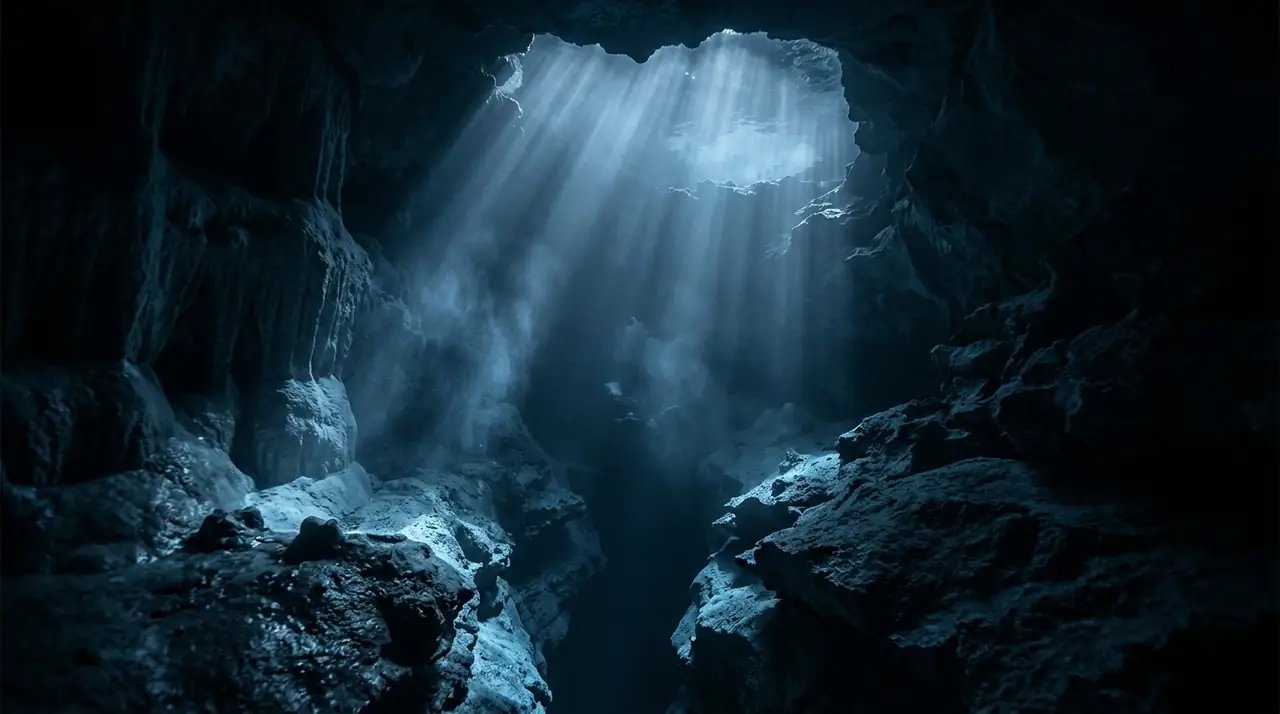
Grand Baie Aquarium
Overview
Grand Baie Aquarium sits within the protected lagoon of northern Mauritius, a compact coral garden where the concentration of marine life in calm, clear water has earned it the name every visiting diver hears within their first hour on the island. The site is nothing like dramatic wall dives, but what it offers is arguably more valuable: a perfect introduction to Indian Ocean reef life in conditions welcoming every skill level. The boat ride from Grand Baie harbour takes ten minutes to a mooring buoy in 18 metres of water. The descent reveals a garden of coral heads rising from a sandy bottom, each a miniature ecosystem supporting its own residents. The absence of current is immediately apparent, and warm, still water allows unhurried exploration. I settled beside a large coral bommie at 12 metres. A giant moray eel extended its head from a crevice, mouth opening and closing in rhythmic breathing that looks threatening but is entirely benign. This individual was clearly accustomed to divers, holding position as I photographed from less than a metre. A lionfish hovered in the shade of an overhang, venomous spines fanned in the elaborate display that makes this species endlessly photogenic. The coral diversity is impressive for a lagoon site. Table corals spread in tiered formations, branching corals create dense thickets, and massive Porites heads serve as foundations for the reef community. Between the coral heads, trumpetfish hover vertically against soft coral branches, hoping to ambush passing prey. Schools of butterflyfish, surgeonfish, and parrotfish move across the reef, their colours vivid in the well-lit shallow water. Octopuses occupy dens among the coral, their colour-changing displays visible to those who pause. Nudibranchs dot the surfaces for macro enthusiasts. Grand Baie Aquarium will never make lists of the world's most dramatic sites, but it earns something perhaps more important: the gratitude of thousands of divers who took their first breath underwater here. Its consistency, accessibility, and density of life make it the site upon which Mauritius's dive industry is built.
Early access
Plan a dive here
Open the DiveOne planner to sketch a recreational plan before you go. It is a planning assistant, not a dive computer.
Marine life
Dive profile
DEPTH PROFILE
DEPTH PROGRESSION & WAYPOINTS: Grand Baie Aquarium
Location
Near Grand Baie, in the Rivière du Rempart District region of Mauritius.
Frequently asked questions
Why is this site called the Aquarium?
The site earned its name from the density and diversity of marine life concentrated in a relatively compact area within the protected lagoon, giving the impression of diving in a giant natural aquarium. The sheltered position behind the barrier reef means virtually no current or wave action, and the fish have become habituated to regular diver presence over many years. Moray eels extend from their burrows to greet approaching divers, lionfish hover in the open, and schools of tropical fish swirl in formations that feel curated rather than wild. The combination of calm water, good visibility, and dense life creates the aquarium effect.
How does Grand Baie Aquarium compare to other Mauritius dive sites?
Grand Baie Aquarium is considered the best beginner and macro photography site in northern Mauritius. It lacks the depth and pelagic potential of outer reef sites like Whale Rock or Coin de Mire, but its shallow, calm conditions and concentrated marine life make it ideal for new divers, underwater photography courses, and night dives. More experienced divers may find it too shallow for a full dive but often use it as a second tank dive after a deeper morning dive on the outer reef. The site is accessible year-round and is one of the few locations that remain diveable during the winter months when outer sites can be rough.
Can I do a night dive at Grand Baie Aquarium?
Grand Baie Aquarium is one of the most popular night diving sites in Mauritius. The shallow depth, calm conditions, and easy navigation make it safe for night diving even for those new to the experience. At night, the reef transforms as diurnal fish tuck into coral heads and nocturnal species emerge. Giant moray eels leave their daytime shelters to hunt, lionfish become active predators, and sleeping parrotfish can be observed in their mucus cocoons. Spanish dancer nudibranchs occasionally appear on the reef surface, and phosphorescent plankton create sparkles of light with every fin movement.
Reviews
Reviews
No reviews yet
Data Provenance
This profile is compiled from 3 operator submissions and 142 community logs. Key facts (depth, entry) are verified against official hydrographic charts.