El Cabrón Marine Reserve
Overview
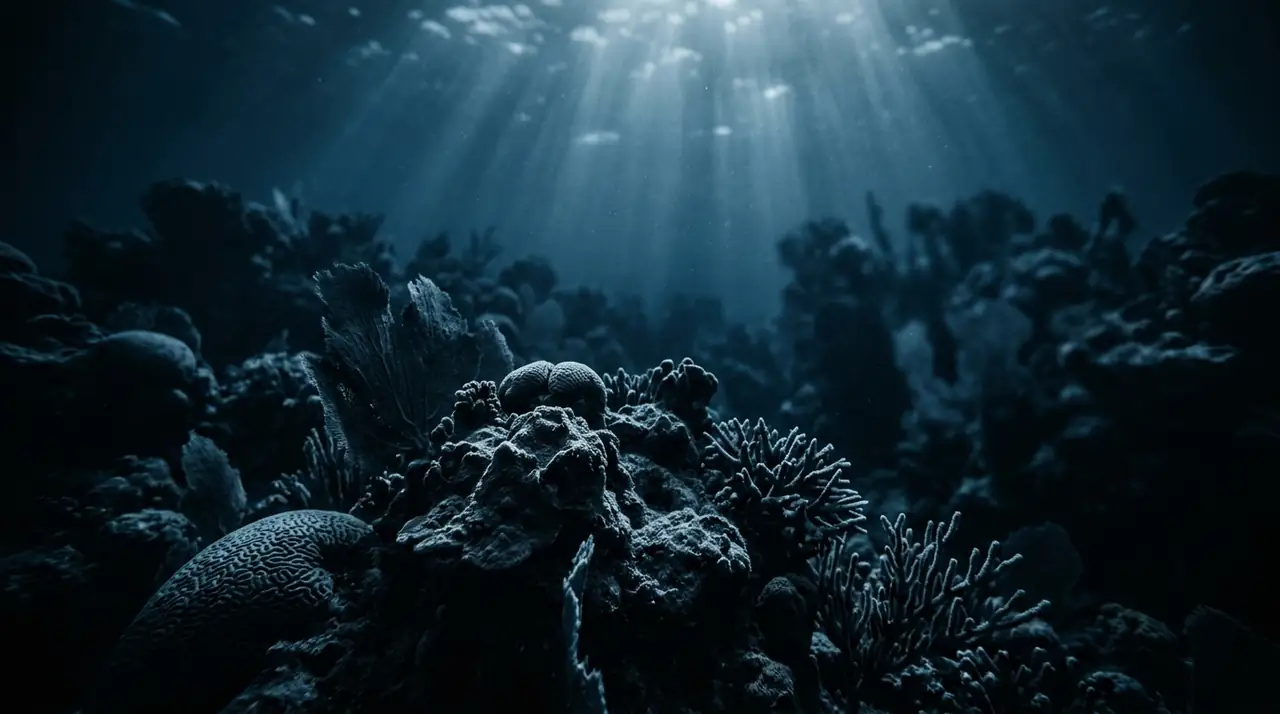
El Cabrón Marine Reserve on Gran Canaria's eastern coast near Arinaga is consistently rated among the best dive sites in the Canary Islands and arguably the finest shore dive in Macaronesia. The volcanic origin of the island has created extraordinary underwater topography: lava arches and tunnels, collapsed caverns, boulder fields riddled with swim-throughs, and walls dropping into sandy channels where angel sharks rest. The entry is from a rocky cove reached by a short walk down a well-worn path. The reef begins immediately in waist-deep water and extends seaward through increasingly dramatic formations. This range from shallow to deep, combined with Natura 2000 protection, has created an ecosystem of remarkable density. I entered on a calm morning and dropped to 8 metres where a natural arch frames a sandy corridor. A trumpet fish hovered vertically against a rock face as camouflage. Ornate wrasses cleaned parrotfish at a busy station. Beneath an overhang, a large dusky grouper regarded me with the calm indifference of a fish accustomed to harmless visitors. The reserve's biodiversity reflects Gran Canaria's position at the crossroads of the Atlantic, Mediterranean, and West African biogeographic zones. Species from all three regions coexist in combinations found nowhere else in Europe. Mediterranean moray eels share crevices with West African nudibranchs. Atlantic barracuda patrol above volcanic formations sheltering tropical-looking parrotfish. Angel sharks are El Cabrón's most celebrated residents. These critically endangered sharks lie partially buried on sandy patches, and the reserve provides some of their best remaining habitat in European waters. I found two on a single dive at around 15 metres, their edges barely visible against the sand until subtle gill movement revealed their presence. What elevates El Cabrón is the completeness: warm water year-round, no boat required, reliable visibility, protection that has allowed marine life to flourish, and volcanic topography that makes every dive feel like exploring an alien landscape.
Early access
Plan a dive here
Open the DiveOne planner to sketch a recreational plan before you go. It is a planning assistant, not a dive computer.
Marine life
Dive profile
DEPTH PROFILE
DEPTH PROGRESSION & WAYPOINTS: El Cabrón Marine Reserve
Location
Frequently asked questions
Can I dive El Cabrón as a beginner?
El Cabrón is excellent for beginners due to its shore entry, sheltered conditions, and shallow reef sections starting at just 3 metres. The reserve has multiple dive routes at different depths, so instructors can keep novice divers in the 5 to 12 metre range where the volcanic formations are already rich with marine life. The entry point involves walking down a rocky path to a sheltered cove, and the underwater terrain provides natural navigation references. Many Gran Canaria dive centres use El Cabrón for training dives and discover scuba experiences.
What is the best time of year to see angel sharks at El Cabrón?
Angel sharks are present at El Cabrón year-round, but sightings are most frequent from October through March when these bottom-dwelling sharks move into the shallower sandy areas within the reserve to rest and hunt. During these months it is common to find one or more angel sharks lying partially buried in sand between 10 and 20 metres. The Canary Islands are one of the last strongholds for the critically endangered angel shark in European waters, and El Cabrón's protected status has helped maintain a healthy local population.
Is El Cabrón a protected marine reserve with diving restrictions?
El Cabrón was designated a Special Area of Conservation under European Union Natura 2000 regulations. Diving is permitted throughout the reserve, but spearfishing, anchoring, and collection of any marine organisms are prohibited. There are no entry fees or permits required for recreational diving, and dive centres operate freely within the reserve. The protection has been highly effective, and marine life density and diversity at El Cabrón significantly exceeds unprotected areas of Gran Canaria's coastline.
Reviews
Reviews
No reviews yet
Data Provenance
This profile is compiled from 3 operator submissions and 142 community logs. Key facts (depth, entry) are verified against official hydrographic charts.