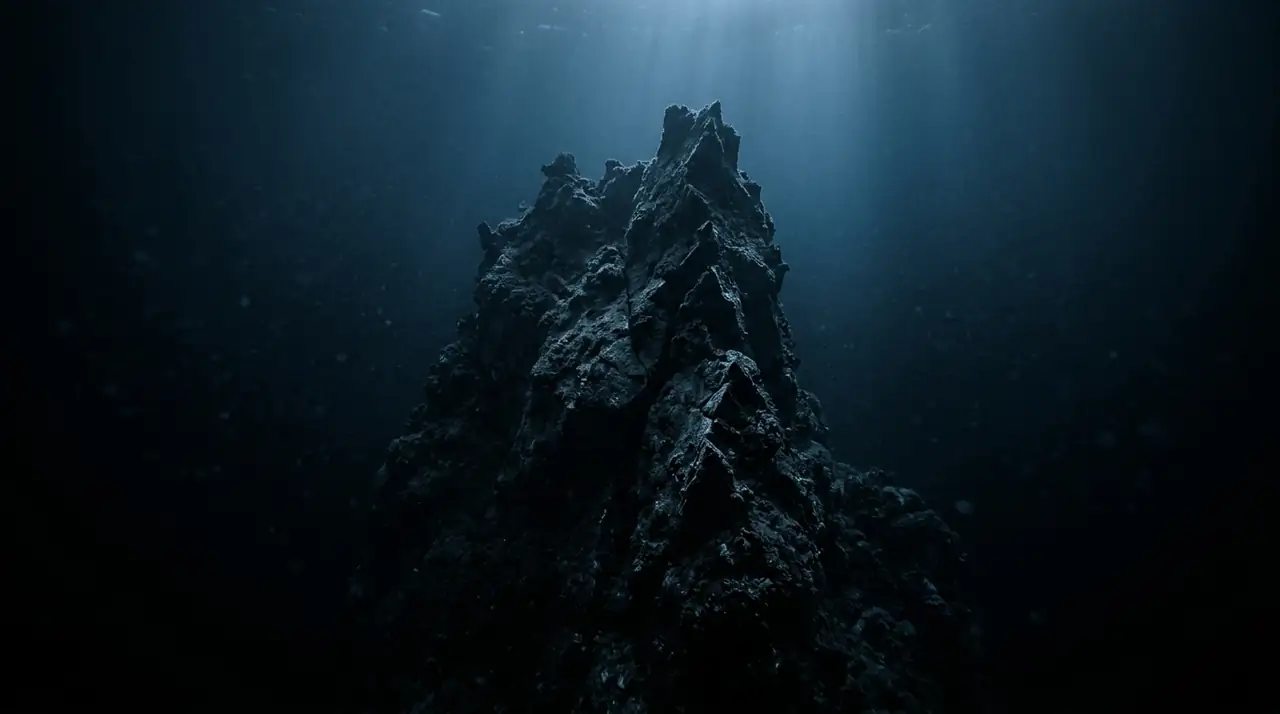
Gorée Island
Overview
Gorée Island is known worldwide as a UNESCO World Heritage Site of immense historical significance, but beneath the waves that lap at its volcanic shoreline lies a diving experience that few visitors ever discover. The rocky reefs surrounding this small island just 3 kilometres off the coast of Dakar host a surprisingly rich marine ecosystem where West African Atlantic species congregate around basalt formations that rise from sandy bottoms at 25 metres to within a few metres of the surface. Diving at Gorée feels like entering an entirely different world from the busy streets of Dakar visible across the channel. On my first descent along the island's eastern reef, I was struck by the sheer number of fish. Dusky grouper — some exceeding 15 kilograms — lurked in the shadows of volcanic overhangs, while schools of barracuda stationed themselves in the midwater, their silvery bodies catching the filtered Atlantic light. The reef structure itself is dramatic: black basalt boulders and ledges create a labyrinth of swim-throughs and channels that funnel both current and marine life. The biodiversity here reflects Gorée's position at the intersection of tropical and temperate Atlantic waters. African angelfish, a species rarely seen by divers who stick to Caribbean or Indo-Pacific destinations, display their distinctive patterns among the rocky outcrops. Moray eels of several species share crevices with spiny lobsters and red-eyed crabs. Atlantic stingrays rest on the sand between reef patches, and cuttlefish — masters of camouflage — hover near the volcanic walls, their skin shifting colour in mesmerising waves. Octopus are common, particularly on night dives when they emerge to hunt across the reef. Visibility at Gorée varies from 8 to 20 metres, with the best clarity during the dry season from November to May. The water can be green and murky after heavy rains, so timing matters. Currents are moderate and can pick up around the island's points, requiring careful site selection based on tidal conditions. The dive operators based in Dakar are experienced with these waters and know which sites work on which tides. For divers interested in West African marine life, Gorée Island offers a fascinating counterpoint to the world's more celebrated dive destinations — raw, unpolished, and teeming with species that most recreational divers have never encountered.
Early access
Plan a dive here
Open the DiveOne planner to sketch a recreational plan before you go. It is a planning assistant, not a dive computer.
Marine life
Dive profile
DEPTH PROFILE
DEPTH PROGRESSION & WAYPOINTS: Gorée Island
Location
Frequently asked questions
Is there diving at Gorée Island in Senegal?
Yes, several dive sites surround Gorée Island, ranging from shallow rocky reefs to deeper volcanic formations. Dive operators in Dakar run trips to Gorée's underwater sites, combining the diving with a visit to this UNESCO World Heritage island famous for its historical significance. The dive sites are a short boat ride from either Dakar or the island itself.
What is the best time to dive at Gorée Island?
The dry season from November to May offers the best diving conditions, with calmer seas and better visibility reaching 15-20 metres. During the rainy season from June to October, river runoff reduces visibility and seas can be rougher. Water temperatures range from 20 degrees in the cooler months to 27 degrees in the warm season.
What certification do I need for diving around Gorée Island?
Open Water certification is sufficient for the shallower sites around Gorée, but intermediate experience is recommended due to the variable currents and sometimes limited visibility. The deeper sites reaching 25 metres with moderate currents are best suited to divers with Advanced Open Water certification and some experience in Atlantic conditions.
Reviews
Reviews
No reviews yet
Data Provenance
This profile is compiled from 3 operator submissions and 142 community logs. Key facts (depth, entry) are verified against official hydrographic charts.