Gordon's Bay Steenbras
Overview
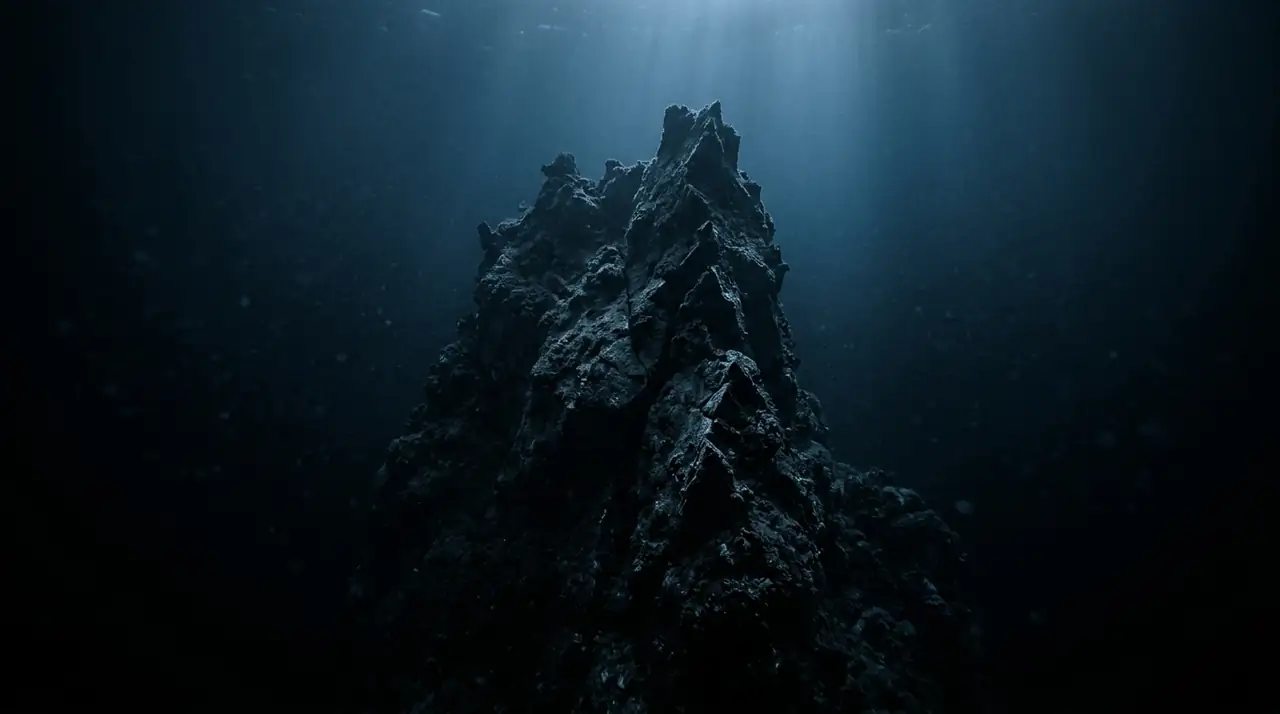
Gordon's Bay occupies the northeastern corner of False Bay, that magnificent amphitheatre of ocean enclosed by the Cape Peninsula to the west and the Hottentots Holland Mountains to the east. Where the Steenbras River meets the sea at the bay's eastern margin, a rocky coastline descends into cold, kelp-forested waters that support one of the Western Cape's most diverse and dramatic marine ecosystems. This is not tropical diving. The water is cold, the visibility can be challenging, and the surge on the rocky entry demands respect. But what awaits beneath the kelp canopy justifies every shiver and every awkward step over algae-slicked boulders. I entered the water at the Steenbras River Mouth on a January morning when the summer sun had warmed the air to a pleasant twenty-six degrees but done nothing to moderate the water temperature, which my computer registered at fifteen degrees as I submerged. The thermal shock was immediate but brief; by the time I had descended to the kelp canopy at four metres, the cold had settled into a tolerable background sensation, and the underwater world demanded all my attention. The kelp forest was the first marvel. Ecklonia maxima, the great sea bamboo of the Cape coast, rose from the rocky substrate in towering columns, their fronds spreading at the surface to form a canopy that filtered the sunlight into shifting patterns of green and gold. Swimming through the kelp forest felt like moving through an underwater cathedral, the frond columns serving as pillars and the canopy as a vaulted ceiling. The light effects were constantly changing as the surface swell moved the canopy, creating an atmosphere that photographs rarely capture adequately.
Early access
Plan a dive here
Open the DiveOne planner to sketch a recreational plan before you go. It is a planning assistant, not a dive computer.
Marine life
Dive profile
DEPTH PROFILE
DEPTH PROGRESSION & WAYPOINTS: Gordon's Bay Steenbras
Location
Near Gordon's Bay, in the Western Cape region of South Africa.
Frequently asked questions
Is it safe to dive with sevengill sharks at Gordon's Bay?
Broadnose sevengill cow sharks are generally non-aggressive toward divers and encounters at Gordon's Bay are considered safe with appropriate behaviour. These sharks are curious and may approach divers closely but have no history of unprovoked attacks in the False Bay area. Divers should remain calm, avoid sudden movements, and not attempt to touch or corner the sharks. The sevengills here are wild animals in their natural habitat, not bait-attracted, so encounters are genuine and behaviour is natural. Some dive operators offer guided sevengill shark dives with experienced guides who know the animals' movement patterns and preferred resting areas. It is advisable to dive with a guide on your first visit to understand the local conditions and shark behaviour.
What water temperature should I expect at Gordon's Bay?
Gordon's Bay water temperatures range from twelve degrees in winter to twenty degrees in summer, though cold upwelling events can drop temperatures suddenly even during warm months. A seven-millimetre semi-dry or dry suit is standard equipment for Cape diving year-round. Hoods, gloves, and booties are essential even in summer. The cold water is part of what makes the diving remarkable: the nutrient-rich upwelling from the deep Benguela system supports the dense kelp forests and abundant marine life that characterise this coastline. Divers accustomed to tropical waters should plan for shorter dive times as the cold increases air consumption. A cup of rooibos tea or hot chocolate after the dive is a Cape diving tradition.
How do I access the dive site at Steenbras River Mouth?
The dive entry point is at the Steenbras River Mouth area on the eastern shore of Gordon's Bay, accessible via Beach Road. Parking is available near the slipway, and the shore entry is over rocks that can be slippery with algae. Sturdy booties are essential. The entry is best attempted during calm sea conditions, as the rocky shoreline can be hazardous in heavy swell. Many divers prefer to enter from the harbour wall in Gordon's Bay and swim or scooter to the reef. Several dive centres in Gordon's Bay and nearby Strand offer guided shore dives with equipment rental. The drive from Cape Town takes approximately forty-five minutes via the N2 highway.
Reviews
Reviews
No reviews yet
Data Provenance
This profile is compiled from 3 operator submissions and 142 community logs. Key facts (depth, entry) are verified against official hydrographic charts.