Gordon Rocks
Overview
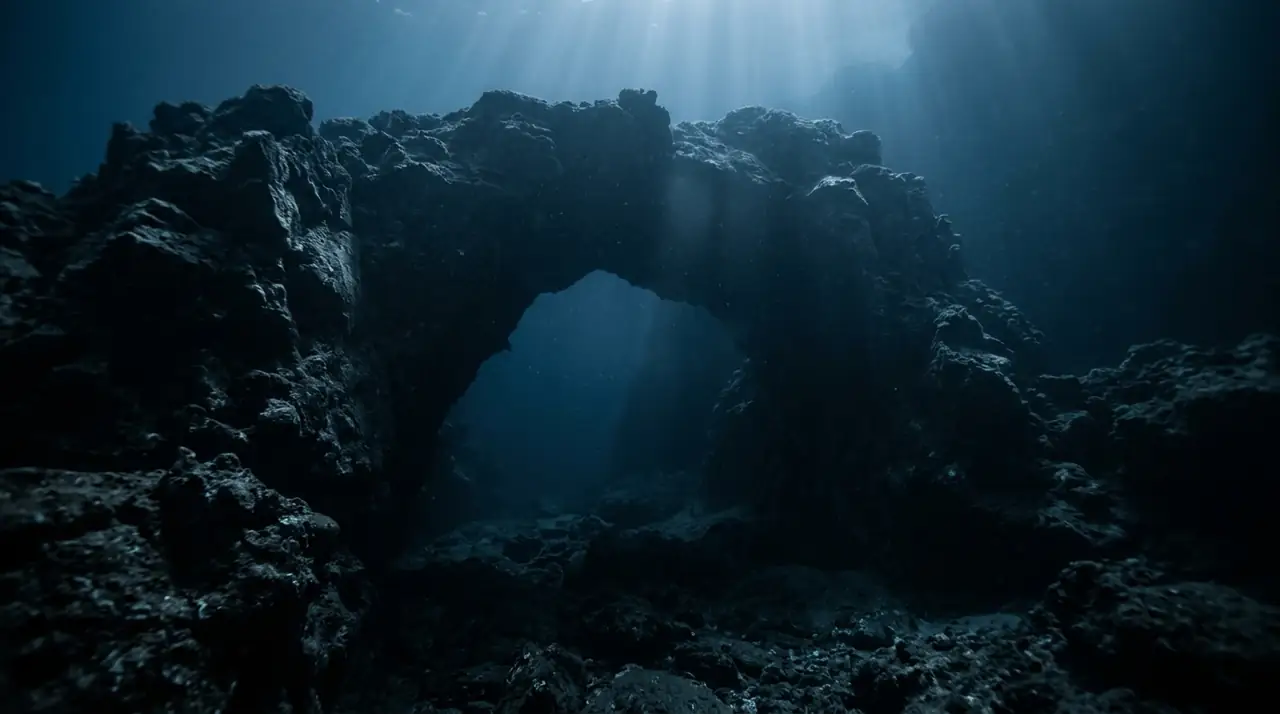
Gordon Rocks holds the distinction of being the premier day-trip hammerhead dive in the Galapagos Islands. While the remote northern islands of Wolf and Darwin demand expensive liveaboard expeditions, Gordon Rocks delivers heart-pounding hammerhead encounters from the convenience of a half-day boat ride from Puerto Ayora on Santa Cruz Island. This accessibility, combined with the quality of the diving, makes it one of the most popular and celebrated sites in the archipelago. The site itself is a submerged volcanic crater, its rim marked by three rocky pinnacles that break the surface. The sandy bottom inside the crater sits at 32 metres, while the exterior walls plunge far deeper. The crater walls create a natural amphitheatre where hammerheads gather at cleaning stations attended by butterflyfish and bannerfish. Schools of scalloped hammerheads arrive primarily from June through November, driven by the cold Humboldt Current that brings water temperatures down to 18-22 degrees and nutrient loads up. The sharks patrol the midwater in classic formation, their silhouettes unmistakable against the blue. Gordon Rocks earns its local nickname of the washing machine from the powerful and unpredictable currents that sweep around and through the volcanic formation. Downcurrents, upcurrents, and surge can appear simultaneously, demanding strong buoyancy skills and rapid decision-making. This is not a site where you can relax: alertness and physical fitness are essential. However, the rewards match the challenge. Beyond hammerheads, divers regularly encounter Galapagos sharks, whitetip reef sharks, massive schools of spotted eagle rays, green sea turtles, sea lions, and occasional manta rays. The dive typically follows the interior walls of the crater, where divers descend to 25-32 metres and drift along the cleaning stations before ascending to shallower terrain for a safety stop among sea lions and turtles. Visibility varies from 8 to 20 metres depending on plankton levels and season. Local operators provide thorough briefings and require divers to carry surface marker buoys. Gordon Rocks proves that world-class Galapagos shark diving does not require a liveaboard, just advanced skills and a willingness to embrace the unpredictable.
Early access
Plan a dive here
Open the DiveOne planner to sketch a recreational plan before you go. It is a planning assistant, not a dive computer.
Marine life
Dive profile
DEPTH PROFILE
DEPTH PROGRESSION & WAYPOINTS: Gordon Rocks
Location
Near Puerto Ayora, in the Galapagos Islands region of Ecuador.
Frequently asked questions
Is Gordon Rocks suitable for beginner divers?
No, Gordon Rocks is firmly an advanced dive site. Strong and unpredictable currents, depths of up to 32 metres, and cold water temperatures make it unsuitable for beginners. Most operators require Advanced Open Water certification and a minimum of 25-30 logged dives. Some require specific experience with drift diving or cold water conditions. The site earned nicknames like 'the washing machine' for a reason.
What is the best time of year to dive Gordon Rocks for hammerheads?
The best period for hammerhead encounters at Gordon Rocks runs from June through November, when the cold Humboldt Current lowers water temperatures and brings nutrient-rich water that attracts large pelagic species. During these months, schools of hammerheads gather at cleaning stations inside the volcanic crater. January to May offers warmer water but fewer hammerhead sightings.
How do I get to Gordon Rocks from Puerto Ayora?
Gordon Rocks is located northeast of Santa Cruz Island and is easily accessible as a day trip. From Puerto Ayora, you travel about 40 minutes by road to the Itabaca Channel, then 20-30 minutes by dive boat to the three protruding sea rocks that mark the site. The entire excursion takes a full day and typically includes two dives. Multiple operators run daily trips during the dive season.
Reviews
Reviews
No reviews yet
Data Provenance
This profile is compiled from 3 operator submissions and 142 community logs. Key facts (depth, entry) are verified against official hydrographic charts.