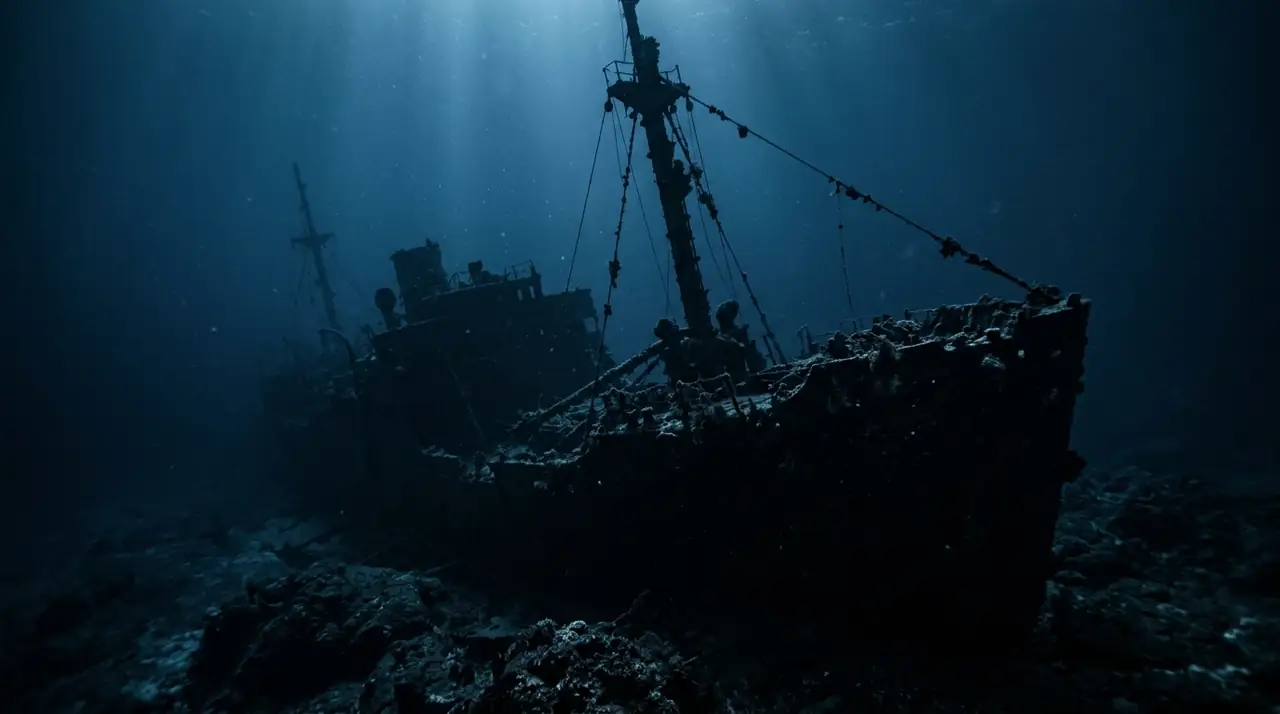
Gili Trawangan Shark Point
Overview
Shark Point sits on Gili Trawangan's northern tip where the island's fringing reef drops from a shallow coral garden to a sand-and-rubble slope populated by resting reef sharks and an extraordinary density of green turtles. The site has become the Gili Islands' signature shark dive, offering reliable encounters without the strong currents or deep water that characterise many Indonesian shark sites. The boat ride from Gili T's harbour takes under ten minutes, rounding the island's northwest corner past the beach bars and arriving at a mooring line over the reef edge. I descended into warm, clear water and immediately encountered three green turtles feeding on the reef flat at six metres. The Gili Islands' turtle population has recovered remarkably since fishing restrictions were implemented, and Shark Point may be the densest concentration. The reef slope descends gradually through healthy hard coral coverage to sandy patches at twenty to twenty-five metres. Here, the sharks rest. On my first dive I counted four whitetip reef sharks lying motionless on the sand, their gills pulsing rhythmically. They are accustomed to divers and remain settled unless approached too closely. A blacktip reef shark cruised the reef edge above, silhouetted against the surface light. The coral between the sandy patches is alive with reef fish. Blue-spotted stingrays lifted from the sand as we passed. A broadclub cuttlefish displayed its hypnotic colour changes on a coral head. Giant moray eels peered from crevices with jaws agape, attended by cleaner shrimp. Lionfish hovered beneath table corals in the distinctive inverted posture of ambush predators. A school of bumphead parrotfish appeared on the second dive, perhaps twenty individuals moving across the reef flat like a slow-motion stampede, their feeding audible as they crunched coral. Giant trevally shadowed the school, picking off fish disturbed by the parrotfish. Shark Point exemplifies how marine protection transforms diving destinations. The Gili Islands' transition from destructive fishing practices to conservation-based tourism has created a reef ecosystem that generates far more economic value alive than it ever did caught in nets. The sharks and turtles are the dividend of that investment.
Early access
Plan a dive here
Open the DiveOne planner to sketch a recreational plan before you go. It is a planning assistant, not a dive computer.
Marine life
Dive profile
DEPTH PROFILE
DEPTH PROGRESSION & WAYPOINTS: Gili Trawangan Shark Point
Location
Near Mataram, in the West Nusa Tenggara region of Indonesia.
Frequently asked questions
How do I reach Shark Point from Gili Trawangan?
Shark Point is located on the northern tip of Gili Trawangan, accessible by a short five to ten minute boat ride from the island's main harbour on the eastern side. All dive operators on Gili Trawangan include Shark Point in their regular rotation, with morning and afternoon trips running daily during the dive season. The site can also be reached by a long surface swim from the northern beach, though boat access is standard and more practical for carrying equipment.
What types of sharks are seen at Gili Trawangan Shark Point?
Whitetip reef sharks are the most common species, resting on sandy patches between coral heads at depths of 20 to 28 metres during the day. Blacktip reef sharks patrol the shallower reef edge and are seen on approximately half of all dives. Occasionally, leopard sharks are spotted on the deeper sandy areas. The sharks here have become accustomed to diver presence over years of managed tourism, allowing relatively close observation without disturbance. No feeding or baiting takes place.
Is Shark Point suitable for newly certified divers?
The shallower sections of Shark Point between 10 and 18 metres are suitable for Open Water divers and offer turtle encounters and reef fish in abundance. Shark sightings are more reliable at deeper areas between 20 and 28 metres, which require Advanced Open Water certification. Currents can be moderate, particularly during tidal changes, so dive operators time visits to minimise current exposure. The site is not suitable for complete beginners during strong current periods.
Reviews
Reviews
No reviews yet
Data Provenance
This profile is compiled from 3 operator submissions and 142 community logs. Key facts (depth, entry) are verified against official hydrographic charts.