Geomun Island
Overview
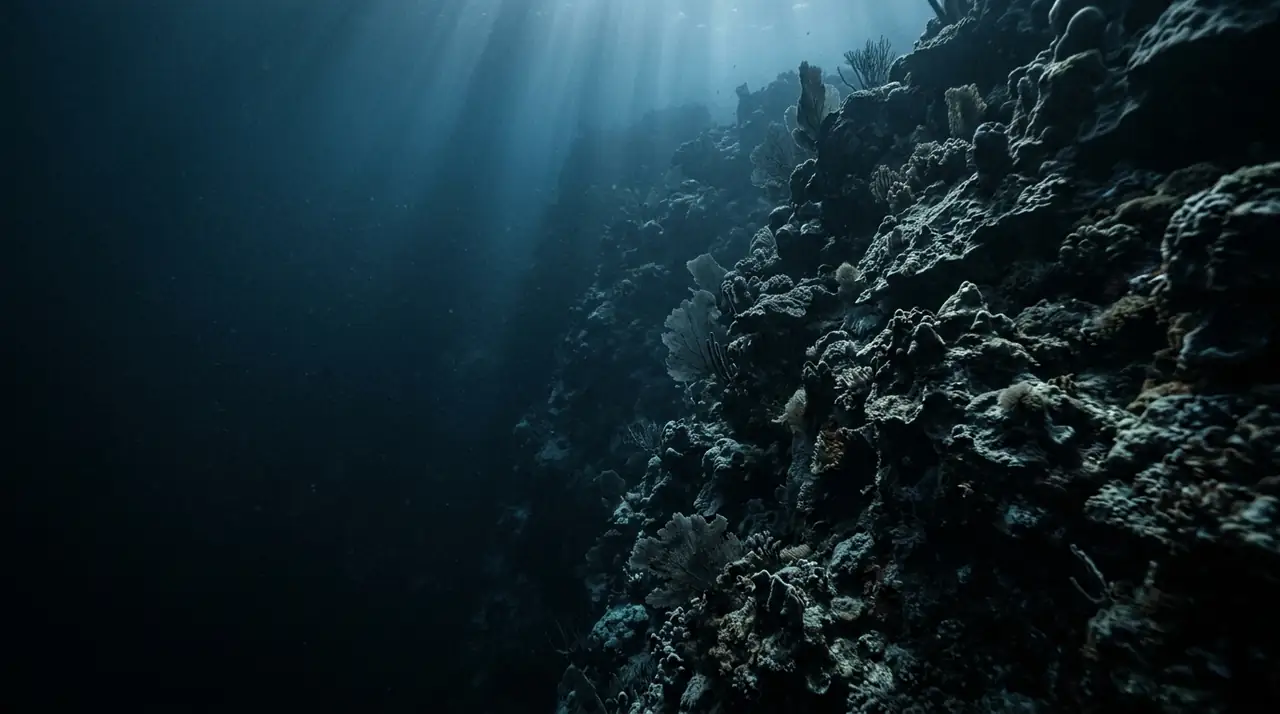
Geomun Island lies roughly 115 kilometres off the southern coast of Korea near Yeosu, a cluster of five islands where the warm Tsushima Current pushes subtropical water into Korea's temperate seas. This biogeographic collision creates diving unlike anything on the Korean mainland: kelp forests and soft coral gardens on the same reef, temperate rockfish hovering above tropical nudibranchs, and species richness that has drawn marine biologists for decades. The ferry from Yeosu takes roughly two hours, depositing you on an island time has largely forgotten. Geomun's historic lighthouse, one of Korea's oldest, still operates, and the fishing village retains a character erased from more developed Korean islands. The outer reefs facing the East China Sea deliver the most dramatic diving. Walls of volcanic rock are carpeted in yellow and orange gorgonians swaying in the Tsushima Current. Below the soft coral zone, dense kelp forests create an underwater canopy, their fronds filtering sunlight into green-gold shafts. Swimming through these kelp corridors, with rockfish darting between the stipes and sea urchins carpeting the holdfasts, evokes cold-water diving in California or Tasmania rather than Korea. The macro life is exceptional. Geomun's boundary position means nudibranch diversity is striking, with species from both ecological zones present on a single dive. Sea cucumbers, basket stars, and decorator crabs populate the reef surfaces, and patient macro photographers can spend entire dives on a single boulder. Visibility ranges from ten metres during plankton blooms to over twenty-five metres when the Tsushima Current runs clean. The best conditions occur in late summer and early autumn when clear oceanic water pushes inshore. Encounters with schools of yellowtail and sea bream are common, and ocean sunfish visits have been documented. Geomun Island remains virtually unknown to the international diving community, its remoteness preserving an authenticity increasingly rare in East Asian waters.
Early access
Plan a dive here
Open the DiveOne planner to sketch a recreational plan before you go. It is a planning assistant, not a dive computer.
Marine life
Dive profile
DEPTH PROFILE
DEPTH PROGRESSION & WAYPOINTS: Geomun Island
Location
Frequently asked questions
How do I reach Geomun Island for diving?
Geomun Island is reached by ferry from Yeosu, with departures taking approximately one and a half to two hours. Yeosu is connected to Seoul by KTX high-speed rail in about two and a half hours, and has a domestic airport with flights from Seoul Gimpo. The island has limited accommodation, mostly guesthouses and minbak, and dive operators are small-scale, often requiring advance booking. Some Yeosu-based dive shops arrange day trips to the outer islands, but staying on Geomun Island itself provides better access to the best dive sites on the outer reefs.
What makes Geomun Island's marine life unique?
Geomun Island sits at the ecological boundary where the warm Tsushima Current from the south meets cooler Korean coastal waters, creating a transition zone with unusual species overlap. Temperate species like kelp forests, rockfish, and abalone share the reef with subtropical visitors including tropical nudibranchs, soft corals, and occasional tropical fish that arrive with warm current pulses during summer. This biogeographic crossroads supports higher species diversity than either purely temperate or subtropical Korean waters. Researchers have documented over 300 marine species in the surrounding waters.
What exposure protection is needed for diving at Geomun Island?
Water temperature at Geomun Island varies dramatically by season, from around 12 degrees Celsius in winter to 25 degrees in late summer. During the prime diving season of June through October, a five-millimetre wetsuit is suitable for most divers in July and August, but a seven-millimetre suit or semi-dry is recommended for June, September, and October. A hood is advisable even in summer, as thermoclines can produce sudden temperature drops of five degrees or more at depth. Dry suits are standard for the few operators running winter dives.
Reviews
Reviews
No reviews yet
Data Provenance
This profile is compiled from 3 operator submissions and 142 community logs. Key facts (depth, entry) are verified against official hydrographic charts.