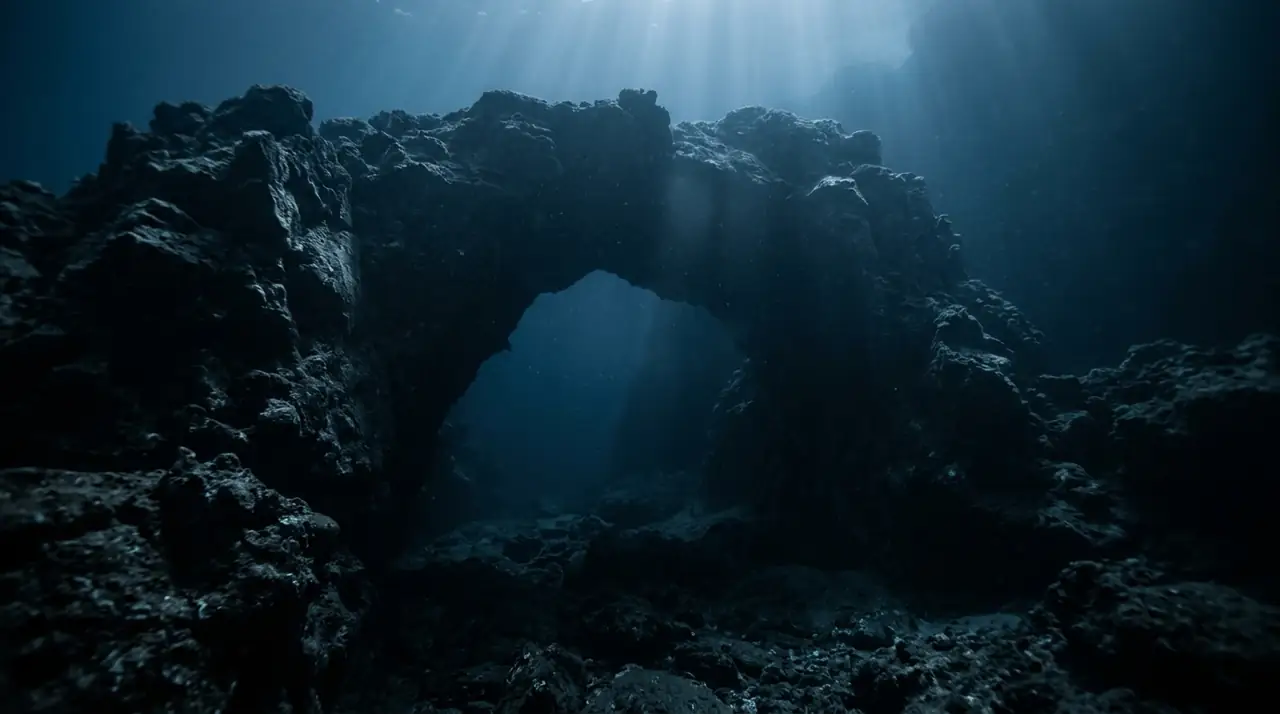
Galera San Francisco Marine Reserve
Overview
The Galera San Francisco Marine Reserve stretches along 37 kilometres of wild Pacific coastline in Ecuador's Esmeraldas Province, encompassing 54,604 hectares of ocean that make it the largest marine protected area on the Ecuadorian continental coast. Named after the Cabo Galera and San Francisco headlands that anchor its northern and southern boundaries, this reserve protects an area of exceptional oceanographic and biological significance that remains largely unknown to the international diving community. What makes Galera San Francisco particularly special is its bathymetry. The continental shelf drops steeply here, reaching 200 metres depth just 11 kilometres from shore and ultimately plunging to 800 metres within the reserve boundaries. This proximity of deep water to the coastline creates a funnel effect for nutrient-rich upwelling, attracting pelagic species that would normally be encountered far offshore. Whale sharks, hammerhead sharks, manta rays, and humpback whales all visit these waters seasonally. The shallow reefs within the reserve support diverse coral communities influenced by the warm Choco current from the north. Hard and soft corals provide habitat for a rich assemblage of reef fish, invertebrates, and crustaceans. Groupers, snappers, and moray eels are common residents, while octopuses and lobsters inhabit the rocky crevices. The reef structures are interspersed with sandy channels and seagrass beds that add habitat diversity. Diving conditions vary with season and weather. Visibility ranges from 8 to 18 metres, with the best clarity during calmer periods from June through November. Water temperature stays between 22 and 28 degrees Celsius, warmer than sites further south due to the tropical Choco influence. Currents can be moderate at exposed sites, particularly around the headlands where pelagic encounters are most likely. The diving infrastructure in this region is nascent, reflecting its off-the-beaten-path character. Local communities are developing ecotourism with support from conservation organisations, and visiting divers contribute directly to the local economy. For those seeking frontier diving in an ecologically significant area without the crowds and costs of better-known destinations, Galera San Francisco offers genuine discovery.
Early access
Plan a dive here
Open the DiveOne planner to sketch a recreational plan before you go. It is a planning assistant, not a dive computer.
Marine life
Dive profile
DEPTH PROFILE
DEPTH PROGRESSION & WAYPOINTS: Galera San Francisco Marine Reserve
Location
Frequently asked questions
What makes Galera San Francisco unique for diving?
Galera San Francisco is the largest marine protected area on continental Ecuador, covering 54,604 hectares along 37 kilometres of coastline in Esmeraldas Province. What makes it oceanographically unique is that the continental shelf drops to 200 metres depth just 11 kilometres from shore, one of the closest deep-water approaches on Ecuador's coast. This proximity attracts deep-water pelagic species to diveable depths.
How developed is the diving infrastructure at Galera San Francisco?
Diving infrastructure is still developing in this region. The reserve is relatively undiscovered by international divers, meaning you may have dive sites entirely to yourself. Local operators in Muisne and nearby communities offer guided dives, but equipment rental and services are limited. Bringing your own equipment is advisable. The raw, undeveloped nature of the area is part of its appeal for adventurous divers.
What is the best season for whale shark encounters?
Whale sharks are most frequently sighted between June and November, when nutrient-rich waters attract the plankton they feed on. Encounters are not guaranteed as whale sharks are transient visitors, but the deep-water proximity to shore increases the chances compared to other coastal locations. Humpback whales are also present during this period, migrating from Antarctic waters to breed.
Reviews
Reviews
No reviews yet
Data Provenance
This profile is compiled from 3 operator submissions and 142 community logs. Key facts (depth, entry) are verified against official hydrographic charts.