Fethiye Twelve Islands
Overview
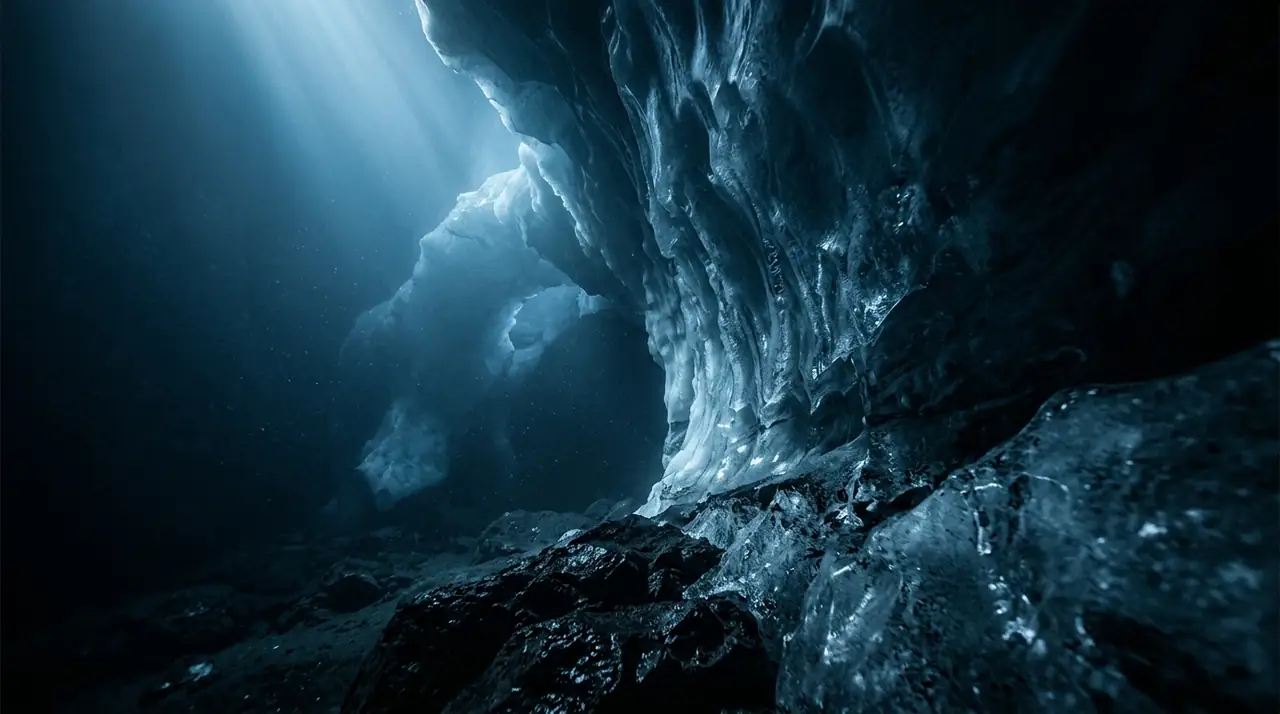
The Twelve Islands of the Fethiye Gulf form a loose archipelago of pine-covered limestone islets scattered across a turquoise bay on Turkey's Turquoise Coast. Known locally as Yassıca Islands, this area has been a popular boat excursion for decades, but its underwater life remains surprisingly underappreciated compared to the surface tourism. The diving benefits from the archipelago's natural shelter. The islands break up wind-driven chop and currents, creating calm conditions in the channels between them. This makes the area accessible for new divers while offering enough variety for experienced divers. A typical day trip covers two or three island sites, each with distinct character. I dropped alongside the eastern face of one of the larger islands where a rocky reef descends from 5 to 25 metres in a series of ledges and overhangs. Within minutes, I noticed amphora fragments half-buried in sandy patches between rock formations. These ancient vessels, remnants of Lycian and Roman maritime trade, have become part of the reef architecture, colonised by sponges and encrusted with marine growth. A loggerhead turtle appeared from behind a Posidonia meadow, its shell easily a metre across, paddling slowly through sun-dappled shallows. It regarded us with phlegmatic calm, then veered toward deeper water. These turtles are the gulf's most charismatic residents, and the nearby Dalyan nesting beach ensures their continued presence. The reef structures are genuinely rich. Large groupers occupy caves and overhangs, moray eels peer from crevices, and octopuses are abundant in the rocky substrate. Barracuda school in the channels where water movement concentrates plankton. The Posidonia meadows are extensive, sheltering juvenile fish and seahorses. The caves and swim-throughs on several islands provide atmospheric diving without technical complexity. Sunlight filtering through openings creates shifting blue illumination, particularly photogenic during morning hours. The combination of warm water, reliable visibility, ancient artefacts, and charismatic megafauna makes the Twelve Islands one of Turkey's most complete diving areas.
Early access
Plan a dive here
Open the DiveOne planner to sketch a recreational plan before you go. It is a planning assistant, not a dive computer.
Marine life
Dive profile
DEPTH PROFILE
DEPTH PROGRESSION & WAYPOINTS: Fethiye Twelve Islands
Location
Frequently asked questions
What makes the Twelve Islands area different from Fethiye Afkule Bay?
While Afkule Bay is a single dramatic site focused on a collapsed cave and wall dive, the Twelve Islands area offers a broader range of diving across multiple sites within a sheltered archipelago. The islands provide different environments from shallow reefs and seagrass meadows to caves, swim-throughs, and deeper walls. The area is also more consistently sheltered from wind and current than exposed coastal sites, making it accessible across a wider range of conditions and skill levels. Boats typically visit two or three different island sites in a single day trip.
Can I see ancient artefacts while diving at the Twelve Islands?
The Gulf of Fethiye was part of the ancient Lycian civilisation and a major maritime trade route for centuries. As a result, amphora fragments and pottery shards are scattered across many reef areas around the islands. These are not managed archaeological sites but rather incidental finds that have become part of the reef landscape over millennia. Turkish law strictly prohibits the removal of any archaeological objects from the sea, and dive operators brief all divers on these regulations. The combination of natural marine life and ancient artefacts adds a unique historical dimension to the diving.
How likely am I to see loggerhead turtles when diving the Twelve Islands?
Loggerhead sea turtles are regularly seen around the Twelve Islands from June through October, with the highest frequency in July and August during the nesting season. The turtles feed on jellyfish and crustaceans in the warm shallow waters between the islands and often approach divers with curiosity. While sightings are not guaranteed, experienced guides report encountering turtles on roughly half of summer dives. The nearby Dalyan beach is one of Turkey's most important loggerhead nesting sites, which supports a healthy population throughout the Fethiye Gulf.
Reviews
Reviews
No reviews yet
Data Provenance
This profile is compiled from 3 operator submissions and 142 community logs. Key facts (depth, entry) are verified against official hydrographic charts.