Fesdu Lagoon Whale Shark Area
Overview
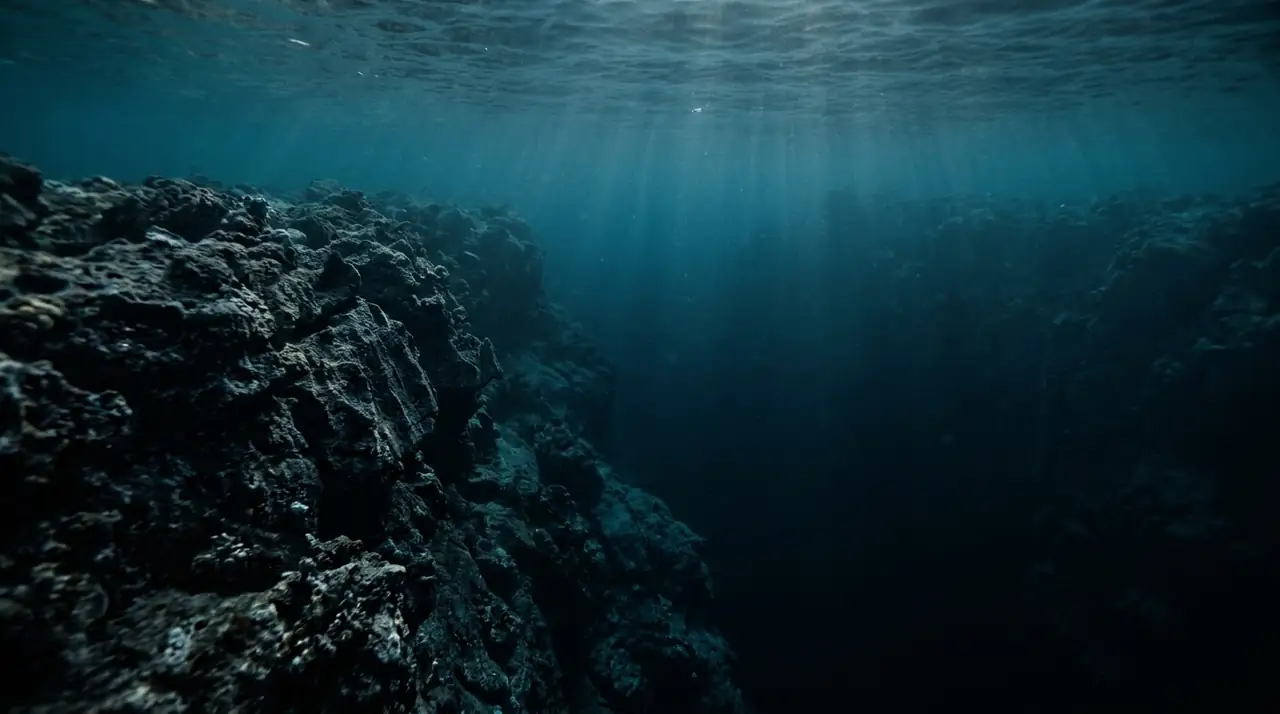
The waters between Fesdu and Maamigili in North Ari Atoll constitute one of the world's most reliable locations for whale shark encounters, a stretch of open ocean where juvenile whale sharks feed on surface plankton with a consistency that approaches guarantee. No other location on Earth offers year-round whale shark access with such high encounter rates, and the Maldivian setting of warm, clear water over deep blue ocean makes each encounter visually spectacular. The whale sharks here are predominantly juveniles, four to eight metres in length, feeding on the plankton blooms that the atoll's channel systems and current patterns sustain throughout both monsoon seasons. They cruise near the surface, their broad heads and spotted dorsal surfaces visible from boats as they methodically work through patches of concentrated plankton. Spotting boats patrol the area in the morning hours, and when a shark is located, snorkellers enter the water ahead of its path. Swimming alongside a six-metre whale shark in twenty metres of visibility is an experience that defies expectations set by aquarium encounters. The scale becomes real: the mouth alone is over a metre wide, the body stretches back beyond peripheral vision, and the tail sweeps with a lazy power that propels this enormous animal forward at a pace that requires sustained effort to match. The spotted skin pattern, unique to each individual, passes beneath you like a slowly scrolling landscape. The encounter protocols are well-established and generally well-enforced. Maximum six swimmers with each shark, minimum three-metre approach distance, no touching, no diving beneath. These rules exist because the whale sharks will tolerate closer approach; the regulations protect the sharks from the consequences of their own docility. When protocols are followed, the encounters are remarkably extended, with individual sharks feeding in the same area for ten to thirty minutes.
Early access
Plan a dive here
Open the DiveOne planner to sketch a recreational plan before you go. It is a planning assistant, not a dive computer.
Marine life
Dive profile
DEPTH PROFILE
DEPTH PROGRESSION & WAYPOINTS: Fesdu Lagoon Whale Shark Area
Location
Frequently asked questions
Why are whale sharks present year-round at Fesdu Lagoon?
The waters around North Ari Atoll benefit from a unique combination of oceanographic factors that sustain plankton production throughout the year. The atoll's position in the central Maldives exposes it to both monsoon currents, and the channel systems create upwellings that bring nutrient-rich deep water to the surface. This constant nutrient supply supports year-round plankton blooms that attract juvenile whale sharks. Research suggests that the population consists primarily of juvenile males between 4 and 8 metres in length, which appear to use the area as a long-term feeding ground during their growth years.
What is the best way to encounter whale sharks here?
Encounters are primarily conducted as snorkelling excursions, with boats spotting whale sharks at the surface and deploying snorkellers in a controlled manner. Scuba diving encounters are less common as the whale sharks typically feed at or near the surface, but divers on nearby reef sites occasionally encounter them in transit. Strict guidelines regulate the number of swimmers in the water with each shark, maximum approach distance, and prohibited behaviours such as touching or flash photography. Following these guidelines is important both for the sharks' welfare and for the quality of the encounter.
Can I contribute to whale shark research during my visit?
Yes, the Maldives Whale Shark Research Programme actively encourages citizen science contributions. Every whale shark has a unique pattern of spots on its body, functioning like a fingerprint. Visitors can photograph the area behind the gills on the left side of any whale shark encountered and submit images to the research database for identification matching. The programme has identified hundreds of individual whale sharks in the North Ari Atoll area, tracking their return patterns and growth rates. Many resort and liveaboard operators participate in the programme and provide briefings on how to take useful identification photographs.
Reviews
Reviews
No reviews yet
Data Provenance
This profile is compiled from 3 operator submissions and 142 community logs. Key facts (depth, entry) are verified against official hydrographic charts.