Farne Islands
Overview
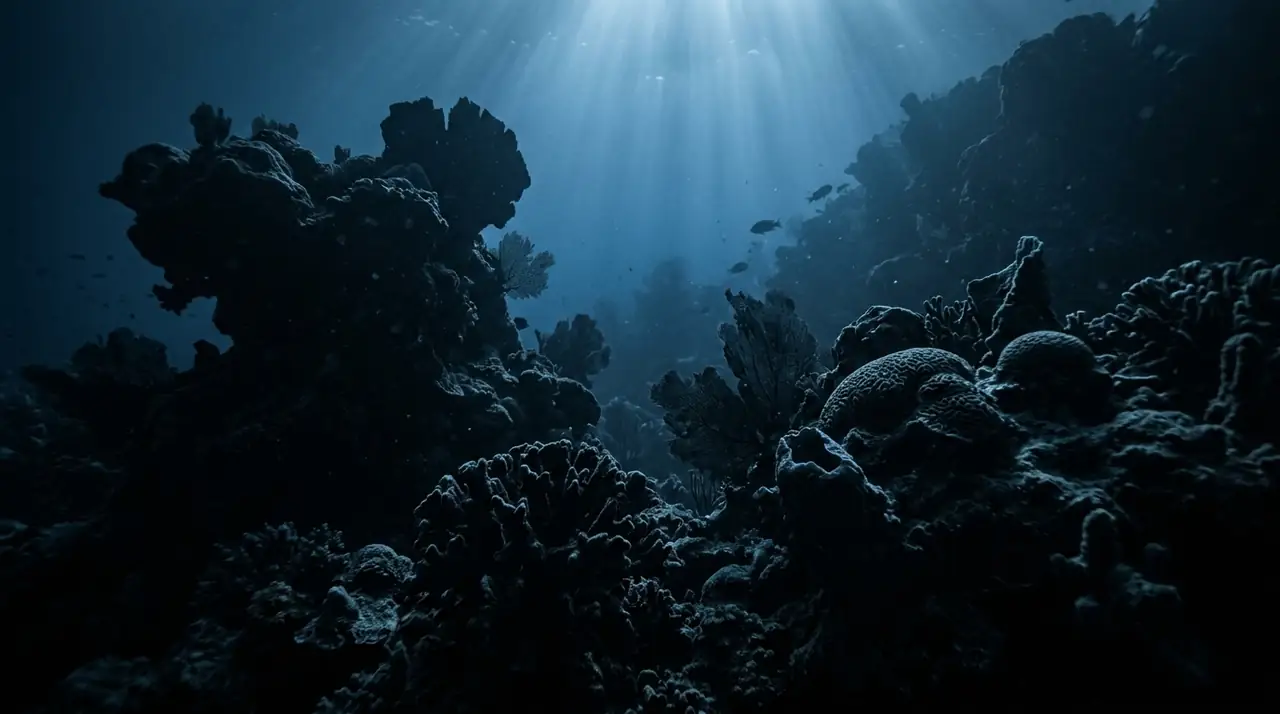
The Farne Islands are a chain of between 15 and 28 rocky islands (depending on the tide) lying off the Northumberland coast in northeast England, and they offer what many consider the finest temperate wildlife diving experience in Europe. Managed by the National Trust, this important nature reserve is home to one of Britain's largest grey seal colonies, with around 4,000 individuals hauled out on the rocks during autumn and winter. But it is underwater where the real magic happens. Descending through dense kelp forests that sway rhythmically in the surge, divers find themselves in a world of dramatic basalt rock formations carved by millennia of North Sea weather. Gullies, arches, and boulder fields create a complex three-dimensional landscape encrusted with life. Dahlia anemones in vivid orange and purple compete for space with dead man's fingers soft corals and jewel anemones. Lobsters and edible crabs hide in every crevice, while butterfish peer out from beneath stones. The star attraction is without question the grey seals. These charismatic animals are intensely curious about divers, and encounters range from shy circling at distance to full-on nibbling of fins, pulling at masks, and barrel-rolling within centimetres of your face. Juvenile seals are the most interactive, treating divers as novel playthings, and a single dive can involve a dozen individuals vying for attention. The experience is utterly joyful and unlike anything else available in British waters. Beyond the seals, the marine life is rich for the northeast coast. Wolffish, an increasingly rare species, can be found in deeper boulder areas. Ballan wrasse patrol the kelp line, and during summer the waters fill with huge clouds of juvenile fish. The seabed is carpeted with common starfish and urchins. Visibility ranges from 5 to 12 metres, with the best conditions in late summer and autumn before the winter storms stir the water. Temperatures require a drysuit, typically hovering around 11 to 14 degrees in summer. Boats depart from Seahouses and the crossing takes just 15 to 30 minutes. Diving is dictated by tidal conditions, with most dives planned around slack water to manage the strong currents that run between the islands. For sheer animal interaction and joy, the Farne Islands rival any tropical site on the planet.
Early access
Plan a dive here
Open the DiveOne planner to sketch a recreational plan before you go. It is a planning assistant, not a dive computer.
Marine life
Dive profile
DEPTH PROFILE
DEPTH PROGRESSION & WAYPOINTS: Farne Islands
Location
Near Seahouses, in the Northumberland, England region of United Kingdom.
Frequently asked questions
When is the best time to dive with seals at the Farne Islands?
The best seal interaction happens from late August through October. By late summer the young grey seal pups from earlier in the year have become confident and curious, and they are at their most playful when approaching divers. The seals are resident year-round, but autumn offers the perfect combination of seal behaviour, reasonable visibility, and water temperatures of 11 to 14 degrees.
What certification do I need to dive the Farne Islands?
Open Water divers can enjoy the shallower seal sites at 8 to 12 metres, while the deeper reef areas reaching 25 metres require an Advanced Open Water certification. Drysuit experience is essential due to water temperatures ranging from 6 to 14 degrees Celsius. Strong tidal currents around the islands require good buoyancy skills.
How do I arrange a dive at the Farne Islands?
Dives are arranged through dive centres or charter boats operating from Seahouses harbour on the Northumberland coast. The boat ride takes 15 to 30 minutes depending on the site. Diving is tide-dependent, so operators schedule dives around slack water. The islands are managed by the National Trust, and landing fees may apply for surface intervals on the islands.
Reviews
Reviews
No reviews yet
Data Provenance
This profile is compiled from 3 operator submissions and 142 community logs. Key facts (depth, entry) are verified against official hydrographic charts.