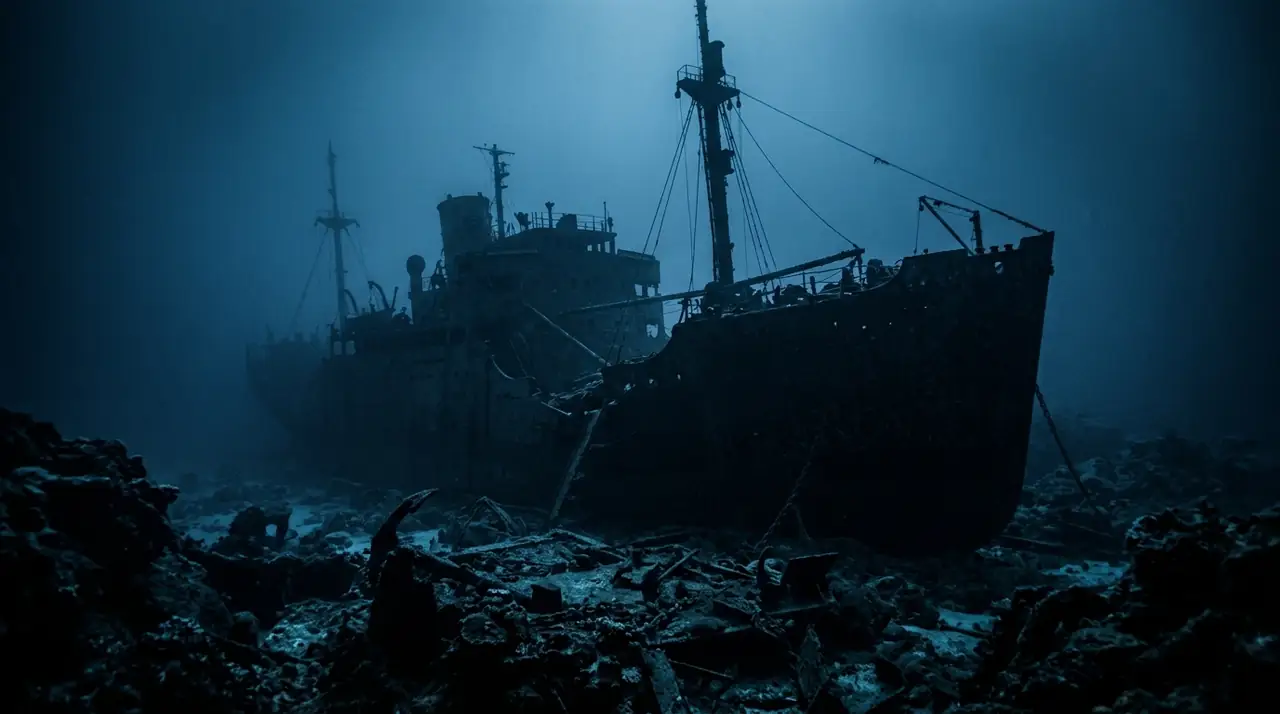
Farasan Islands
Overview
The Farasan Islands are the jewel of Saudi Arabia's diving frontier and arguably one of the last genuinely unexplored reef systems in the entire Red Sea. This vast archipelago of roughly 170 islands sits on the Arabian continental shelf approximately 40 kilometres offshore from Jizan in the country's far southwest, where the Red Sea narrows toward the Bab-el-Mandeb strait. The combination of remote location, limited fishing pressure, and minimal dive tourism has left the Farasan Banks in a state of pristine preservation that recalls how the entire Red Sea must have looked decades ago. The underwater topography is varied and dramatic. Coral gardens and pinnacles rise from 8 to 25 metres over white sand, their surfaces alive with dense hard coral cover in exceptional health. The outer islands feature walls and drop-offs that plunge into deep blue water, attracting pelagic species from the surrounding depths. Submerged banks scattered across the archipelago create current-swept cleaning stations and aggregation points for large marine life. Manta rays are among the most celebrated encounters at the Farasan Islands, particularly around cleaning stations on the outer reefs where they come to be groomed by cleaner wrasses and shrimps. Whale sharks visit the nutrient-rich waters, especially during plankton-rich periods. Large pods of spinner and bottlenose dolphins are regularly encountered, and green and hawksbill turtles nest on the islands' sandy beaches and feed on the reefs. The reef fish life is abundant and varied. Schools of barracuda and trevally are a constant presence, Napoleon wrasses cruise the reef edges, and enormous groupers inhabit the deeper overhangs and caves. The hard coral diversity is outstanding, with table corals, staghorn corals, brain corals, and massive porites colonies building a complex framework that supports the entire ecosystem. Diving the Farasan Islands requires planning and commitment. Liveaboard operations from Jeddah or Jizan are the primary means of access, and trips typically last five to seven days to allow exploration of multiple sites across the archipelago. The diving infrastructure is developing rapidly as Saudi Arabia opens to dive tourism, but facilities remain basic compared to the northern Red Sea. Visibility is typically excellent at 20 to 40 metres, and water temperatures range from 24 degrees in winter to 32 degrees in summer.
Early access
Plan a dive here
Open the DiveOne planner to sketch a recreational plan before you go. It is a planning assistant, not a dive computer.
Marine life
Dive profile
DEPTH PROFILE
DEPTH PROGRESSION & WAYPOINTS: Farasan Islands
Location
Frequently asked questions
How do I get to the Farasan Islands for diving?
The Farasan Islands are located approximately 40 kilometres offshore from Jizan in southwestern Saudi Arabia. Access for diving is typically via liveaboard from Jizan or Jeddah. A public ferry connects Jizan to Farasan Island for general visitors, but reaching the best dive sites on the outer islands and banks requires a liveaboard or dedicated dive charter. The diving infrastructure is developing but still limited compared to northern Red Sea destinations.
What makes the Farasan Islands special for diving?
The Farasan Banks represent one of the last genuinely unexplored reef systems in the Red Sea. The archipelago comprises roughly 170 islands with a vast system of submerged banks, pinnacles, and walls. Because commercial fishing is limited and recreational diving has been minimal, the reefs are in extraordinarily pristine condition. Visibility regularly exceeds 30 metres, and encounters with large marine life including manta rays and whale sharks are common.
When is the best time to dive the Farasan Islands?
October through April offers the best conditions, with comfortable water temperatures between 24 and 29 degrees, calm seas, and excellent visibility. Summer months from May to September bring higher water temperatures and can have reduced visibility. The monsoon season can also make sea conditions rougher for boat travel to the outer islands.
Reviews
Reviews
No reviews yet
Data Provenance
This profile is compiled from 3 operator submissions and 142 community logs. Key facts (depth, entry) are verified against official hydrographic charts.