Essaouira Coast
Overview
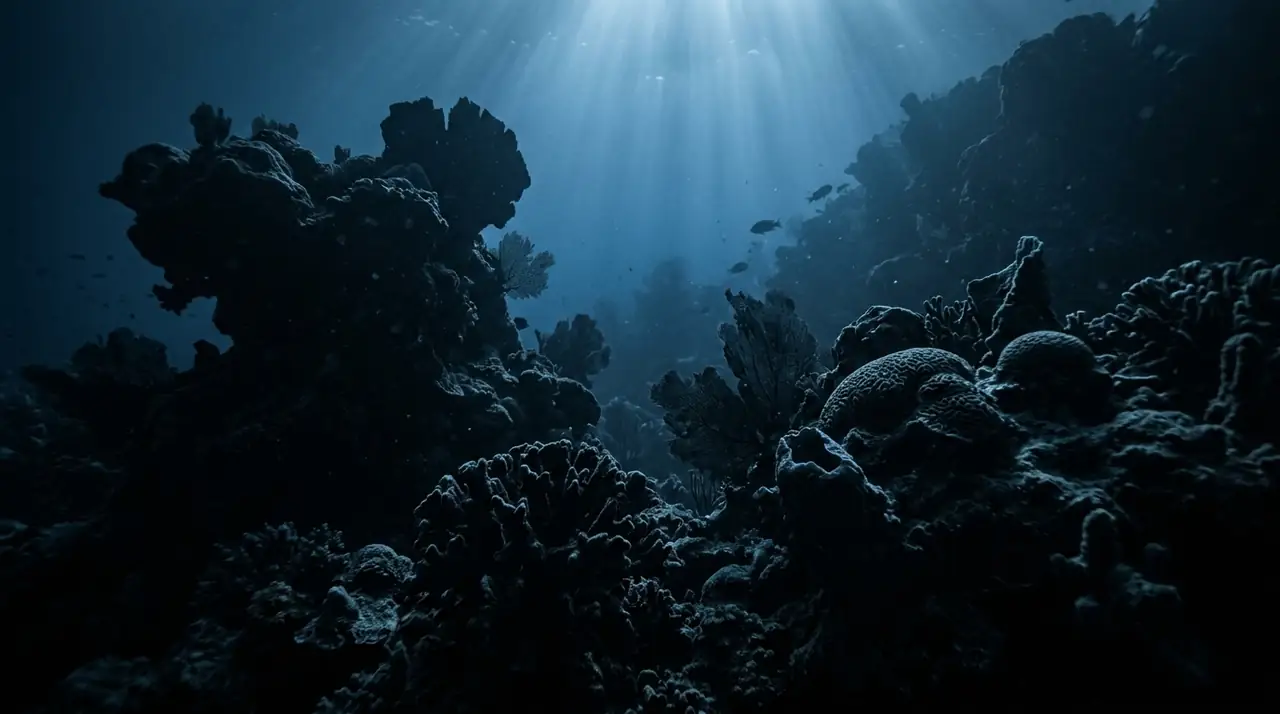
Essaouira sits on Morocco's Atlantic coast where the cold Canary Current sweeps northward, bringing nutrient-rich upwelling that transforms the underwater landscape into something completely unlike the Mediterranean side of the country. The historic port city, with its blue-and-white medina and constant trade winds, has long been a haven for surfers and artists. Its diving scene is quieter but no less rewarding, centred on the rocky reefs surrounding the Mogador Islands just offshore. I motored out from the harbour on a calm July morning, passing the old Portuguese ramparts as Eleonora's falcons wheeled above the island cliffs ahead. The entry was into dark green water that spoke of plankton and productivity. Descending along the eastern face of the main island, I entered a different world. Kelp fronds swayed in the surge, their holdfasts gripping boulders covered in purple and orange encrusting life. The visibility was around 15 metres, enough to see the reef structure stretching away in both directions. The rocky substrate was layered with overhangs and small caves, and almost every gap held something worth examining. Conger eels peered from dark recesses, their mouths opening and closing rhythmically. Lobsters waved their antennae from crevices, and octopuses watched from their lairs, only a shift in skin texture betraying their presence. A cuttlefish hovered above a sandy patch between boulders, its chromatophores pulsing in waves of brown and gold. The highlight came at the island's northern point where the current accelerated around the headland. A school of amberjack appeared from the green water, at least fifty strong, circling in a tight formation before peeling away into the blue. Behind them, a loose cloud of barracuda hung motionless, their bodies aligned with the current like silver arrows. The cold water felt justified by this abundance of life. On the ascent I paused among the kelp canopy, watching damselfish defend territories on the fronds while sunlight filtered through the surface waves above. Essaouira offers Atlantic diving with a distinctly Moroccan character, raw and wild and full of surprises.
Early access
Plan a dive here
Open the DiveOne planner to sketch a recreational plan before you go. It is a planning assistant, not a dive computer.
Marine life
Dive profile
DEPTH PROFILE
DEPTH PROGRESSION & WAYPOINTS: Essaouira Coast
Location
Frequently asked questions
How do I reach the dive sites off Essaouira?
Essaouira has a small airport with flights from Casablanca, or you can drive 2.5 hours west from Marrakech. The main dive sites are around the Mogador Islands (Iles Purpuraires) about 1.5 kilometres offshore. Local dive operators run boat trips from the harbour, reaching the islands in under 15 minutes. The town itself is a UNESCO World Heritage site with excellent accommodation and restaurants.
Is the water cold compared to Mediterranean Morocco?
Yes, significantly. The Canary Current brings cold upwelling along the Atlantic coast, and water temperatures at Essaouira typically range from 16 to 22 degrees Celsius even in summer. A 5mm wetsuit or semi-dry suit is recommended for most dives. The trade-off is the nutrient richness that supports denser marine life than the warmer but less productive Mediterranean side.
Can I visit the Mogador Islands?
The Mogador Islands are a protected nature reserve and landing is strictly prohibited to protect nesting Eleonora's falcons and other seabirds. However, diving and boat excursions around the islands are permitted with licensed operators. The sheltered eastern side of the main island offers the calmest conditions for diving, while the exposed western side has more dramatic topography but stronger swells.
Reviews
Reviews
No reviews yet
Data Provenance
This profile is compiled from 3 operator submissions and 142 community logs. Key facts (depth, entry) are verified against official hydrographic charts.