El Hierro Mar de las Calmas
Overview
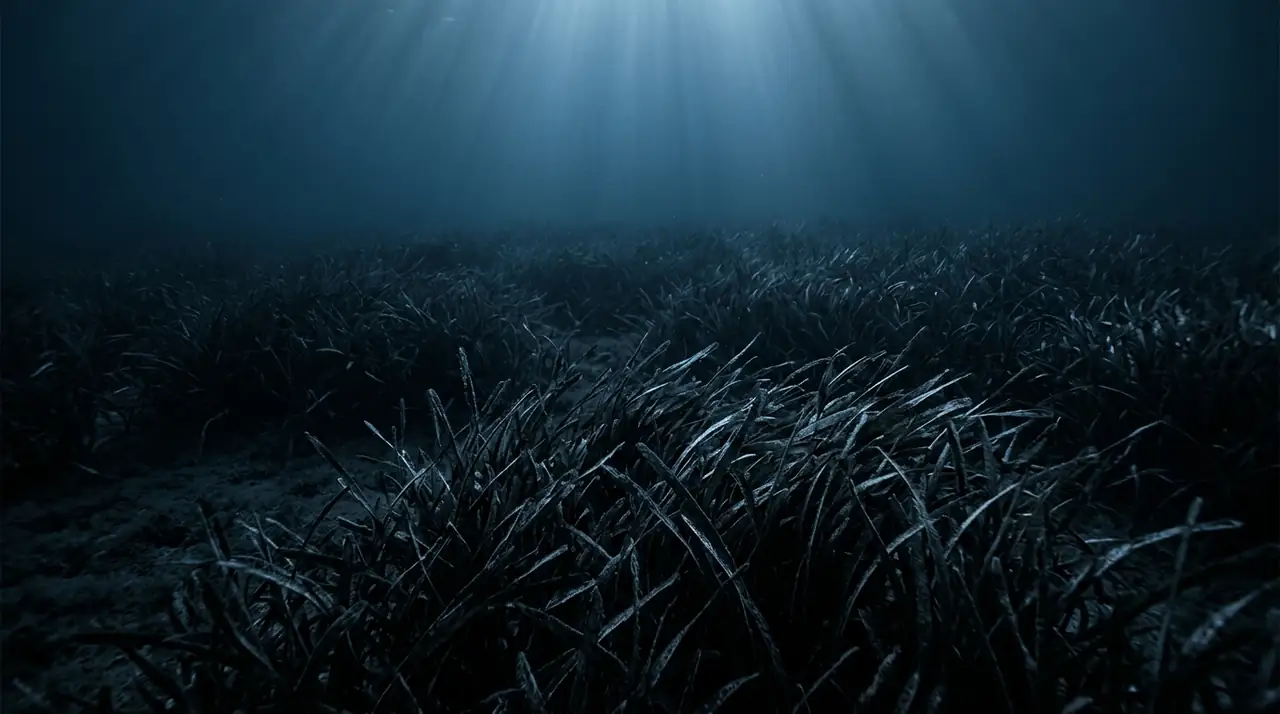
El Hierro is the smallest, youngest, and most remote of the Canary Islands, a volcanic speck in the Atlantic that remained the edge of the known world until Columbus sailed past it in 1492. Today, this UNESCO Biosphere Reserve attracts a dedicated community of divers who recognise that its Mar de las Calmas, the Sea of Calms on the sheltered southern coast, offers something rare: genuinely clear Atlantic water, volcanic topography unlike any other dive destination, and pelagic encounters that range from angel sharks to whale sharks. La Restinga is a tiny fishing village at the island's southern tip, unpretentious and quiet, where dive centres outnumber restaurants. The boat ride to dive sites takes 5 to 15 minutes along a coastline of black volcanic cliffs plunging into impossibly blue water. The absence of continental shelf means oceanic conditions begin almost immediately. Dropping into the water at Baja Bocarones, the visibility struck me physically. Fifty metres of blue clarity in every direction, the volcanic reef below rendered in perfect detail from the surface. The descent passed through open water where anything might appear. Atlantic mantas cruise these waters regularly, their three-metre wingspans casting shadows across the reef below. The reef itself is geologically young, formed by lava flows that created tunnels, arches, and boulder fields of black basalt now colonised by colourful invertebrates. Angel sharks rest on volcanic sand, perfectly camouflaged. Butterfly rays erupt from the bottom when approached too closely. Schools of barracuda and amberjack patrol the drop-offs where the reef ends and the Atlantic abyss begins. The 2011 eruption added another chapter to El Hierro's volcanic story, creating new seabed terrain that scientists and divers watch being colonised in real time. This is diving at the edge of geological creation, where the Earth is still building new land and the ocean is still colonising it. The combination of extraordinary visibility, volcanic architecture, and passing pelagics makes El Hierro quietly one of Europe's finest dive destinations.
Early access
Plan a dive here
Open the DiveOne planner to sketch a recreational plan before you go. It is a planning assistant, not a dive computer.
Marine life
Dive profile
DEPTH PROFILE
DEPTH PROGRESSION & WAYPOINTS: El Hierro Mar de las Calmas
Location
Frequently asked questions
Why is El Hierro's visibility so exceptional?
El Hierro benefits from a combination of geographical factors that produce remarkable water clarity. The island's steep volcanic coastline drops rapidly to oceanic depths, meaning there is no continental shelf to stir up sediment. The Mar de las Calmas on the south coast is sheltered from prevailing trade winds and swells by the island's mass, creating unusually calm conditions that prevent mixing of clear oceanic water with turbid inshore water. The young volcanic substrate does not produce the fine sediment that older limestone coasts generate. Combined with limited runoff from the small island, these factors regularly produce visibility exceeding 40 metres.
How do I get to El Hierro for diving?
El Hierro is reached by inter-island flight from Tenerife or Gran Canaria, taking approximately 40 minutes, or by ferry from Tenerife with a crossing time of around 2.5 hours. The island's diving is concentrated around the fishing village of La Restinga on the southern tip, where several dive centres operate. Accommodation in La Restinga is limited to small apartments and guesthouses, giving the destination a quiet, local character very different from the tourist resorts of larger Canary Islands. Most divers arrive for 5 to 7 day trips focused exclusively on diving.
What happened with the 2011 underwater volcanic eruption and can you dive the new terrain?
In October 2011, an underwater volcanic eruption occurred off El Hierro's southern coast near La Restinga, forcing evacuation of the village and creating a new shallow volcanic cone on the seabed. The eruption lasted until March 2012 and dramatically altered the underwater landscape. The new volcanic terrain has since been colonised by marine life and is now diveable, offering a unique opportunity to observe ecological succession on extremely young substrate. The eruption site at around 80 metres depth is beyond recreational limits, but its effects on surrounding reefs at diveable depths are clearly visible and scientifically fascinating.
Reviews
Reviews
No reviews yet
Data Provenance
This profile is compiled from 3 operator submissions and 142 community logs. Key facts (depth, entry) are verified against official hydrographic charts.