Eel Garden
Overview
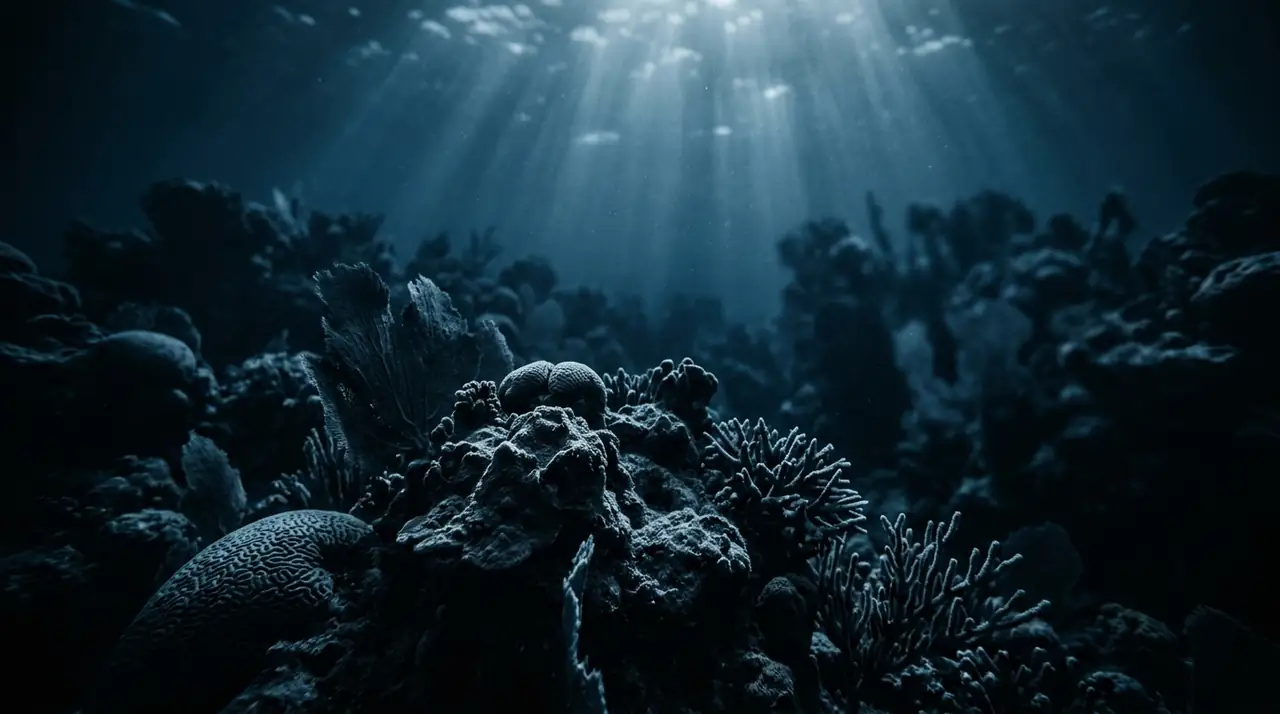
Eel Garden is one of Dahab's defining shore dives, named for the extraordinary colony of spotted garden eels occupying a sandy plateau between reef sections along the Gulf of Aqaba coast. Like most Dahab sites, it combines effortless shore access with genuine underwater quality for both new divers and experienced photographers. The entry is straightforward: a short walk across flat reef rock leads to a sandy channel where depth increases gradually. The reef walls on either side are healthy hard coral — massive Porites, fire coral, and brain coral hosting the typical Red Sea cast of anthias, butterflyfish, and territorial damselfish. Moray eels occupy crevices at regular intervals. The sand plateau begins at around twelve metres and extends to twenty-five metres at its deepest. Here, garden eels emerge from burrows in extraordinary numbers. Thousands of slender bodies sway in unison with the gentle current, creating a living carpet across the sandy expanse. Their synchronised retraction when disturbed is mesmerising — a wave of disappearance rippling outward from any perceived threat. Approaching the eels requires patience bordering on meditation. I spent twenty minutes moving five metres, maintaining a profile pressed against the sand. The reward was watching feeding behaviour at close range: each eel extends to its full length, body anchored in its burrow, plucking plankton with quick lateral strikes. Beyond the colony, the sandy plateau hosts crocodilefish in perfect camouflage, blue-spotted stingrays resting between forays, and occasional Napoleon wrasse. Lionfish hang inverted under small coral outcrops dotting the sand. The beauty of Eel Garden is its accessibility. No boat, no complicated logistics. Walk in, descend, and within minutes you are in clear Red Sea water observing behaviour that rewards patience. The site dives well year-round, improving with repetition as familiarity allows more time observing.
Early access
Plan a dive here
Open the DiveOne planner to sketch a recreational plan before you go. It is a planning assistant, not a dive computer.
Marine life
Dive profile
DEPTH PROFILE
DEPTH PROGRESSION & WAYPOINTS: Eel Garden
Location
Frequently asked questions
Where exactly is Eel Garden in Dahab?
Eel Garden is located on the coast approximately 1.5 kilometres north of Dahab centre, between the Lighthouse site to the south and the Golden Blocks site to the north. Access is via a clearly marked entry point with a sandy path leading to the water. Most Dahab dive centres include transport to the entry point, or it can be reached by a short walk or bicycle ride from the main promenade.
How close can I get to the garden eels?
Garden eels are notoriously shy and will retract into their burrows when divers approach too quickly. The key is an extremely slow approach, ideally from a low position hugging the sand. Experienced photographers may spend 15 to 20 minutes inching forward to achieve close-up shots. Moving too fast will cause a wave of retraction across the colony. Using a longer focal length lens allows satisfying images without disturbing the animals.
Can I combine Eel Garden with other Dahab dive sites?
Eel Garden can be combined with adjacent sites for longer dives. Swimming south along the reef leads to the Golden Blocks area and eventually toward the Lighthouse site. Some divers enter at Eel Garden and exit at Lighthouse for a one-way drift covering multiple reef sections. Alternatively, two separate shore dives at different sites is common in Dahab due to the easy access nature of all sites along the coast.
Reviews
Reviews
No reviews yet
Data Provenance
This profile is compiled from 3 operator submissions and 142 community logs. Key facts (depth, entry) are verified against official hydrographic charts.