Dutch Springs Quarry
Overview
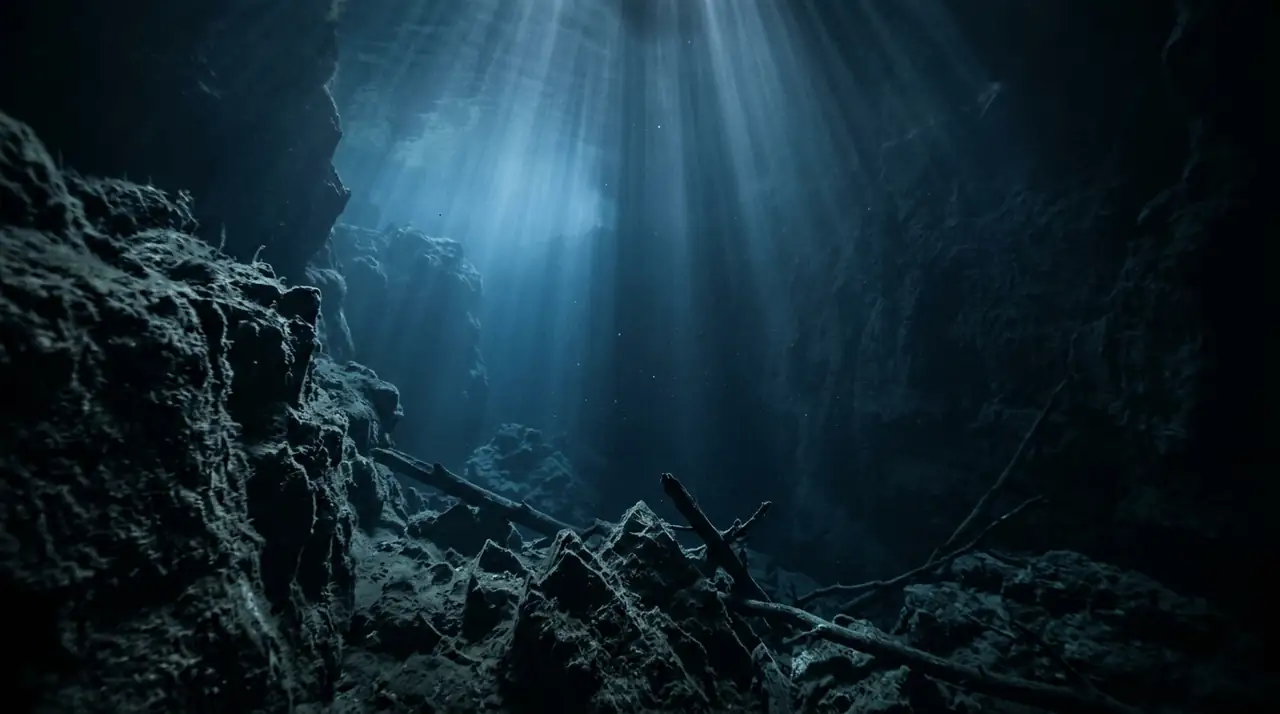
Dutch Springs occupies a flooded limestone quarry in the Lehigh Valley of eastern Pennsylvania, about ninety minutes from Philadelphia and two hours from New York City. What began as a swimming and recreation area evolved into the most important scuba training facility on the American East Coast, a place where tens of thousands of divers have earned their first certifications and where experienced divers come to practice skills, test equipment, and explore sunken attractions in freshwater. The quarry spans roughly four hectares of water surface, with depths progressing from wading depth at the entry beaches to approximately thirty metres at the deepest point. The bottom is mostly limestone rubble and sediment, with visibility ranging from three metres on summer afternoons to ten metres or better during spring and autumn turnover. A distinct thermocline develops in summer, and dropping through it from warm surface water into the cold deep layer is a visceral reminder that freshwater diving has its own sensations. The sunken attractions are the primary draw beyond training. A Sikorsky helicopter sits upright at around twelve metres, its cockpit open for photographs. Two yellow school buses rest on the bottom, instantly recognisable and slightly surreal in their underwater context. A Cessna aircraft, fire trucks, boats, and various platforms are scattered across the quarry at different depths, creating an underwater scavenger hunt that keeps divers exploring. Freshwater life is present but understated. Largemouth bass patrol the shallows, bluegill cluster near the sunken structures, and catfish emerge from beneath the buses at dusk. Painted turtles occasionally startle divers near the surface. The ecology is simple compared to tropical reefs, but there is something meditative about observing freshwater creatures in their element. Dutch Springs serves an essential function in the American diving community. It is where instructors bring students for checkout dives, where technical divers practice decompression procedures, where photographers test new housings before tropical trips, and where dive clubs gather on summer weekends. The facility provides air fills, equipment rental, and basic amenities. For East Coast divers, Dutch Springs is not exotic, but it is indispensable.
Early access
Plan a dive here
Open the DiveOne planner to sketch a recreational plan before you go. It is a planning assistant, not a dive computer.
Marine life
Dive profile
DEPTH PROFILE
DEPTH PROGRESSION & WAYPOINTS: Dutch Springs Quarry
Location
Near Bethlehem, in the Pennsylvania region of United States.
Frequently asked questions
What sunken objects can I see at Dutch Springs?
Dutch Springs contains a remarkable collection of intentionally sunken attractions placed at various depths for diver interest and training purposes. Among the most notable are a Sikorsky helicopter, two school buses, a Cessna aircraft, fire trucks, a wooden sailboat, training platforms at multiple depths, and various vehicles. These objects sit at depths ranging from five to twenty-five metres, allowing divers of all certification levels to find something at an appropriate depth. The quarry owners regularly add new attractions and maintain existing ones to keep the site interesting for repeat visitors.
Is Dutch Springs suitable for brand new divers?
Dutch Springs is one of the best locations on the American East Coast for new divers and students working toward certification. The quarry features shore entry with gradually sloping terrain, no current, and controlled conditions that make it ideal for open water training dives. Multiple dive shops and training agencies operate at the facility, and the site includes changing rooms, air fills, equipment rental, and an on-site shop. Many thousands of divers have earned their certifications here. The shallow areas near the entry points offer comfortable conditions for first-time divers, with deeper areas available as skills progress.
What is the visibility like at Dutch Springs?
Visibility at Dutch Springs varies significantly with season and weather. During spring and autumn, visibility can reach eight to ten metres as algae growth is minimal and the water column has recently turned over. Summer months often see reduced visibility of three to six metres due to algal blooms in the warmer surface layers, though visibility typically improves below the thermocline at around eight metres depth. Rain events can temporarily reduce visibility further. Winter diving offers the clearest water but requires drysuit skills due to water temperatures near four degrees Celsius.
Reviews
Reviews
No reviews yet
Data Provenance
This profile is compiled from 3 operator submissions and 142 community logs. Key facts (depth, entry) are verified against official hydrographic charts.