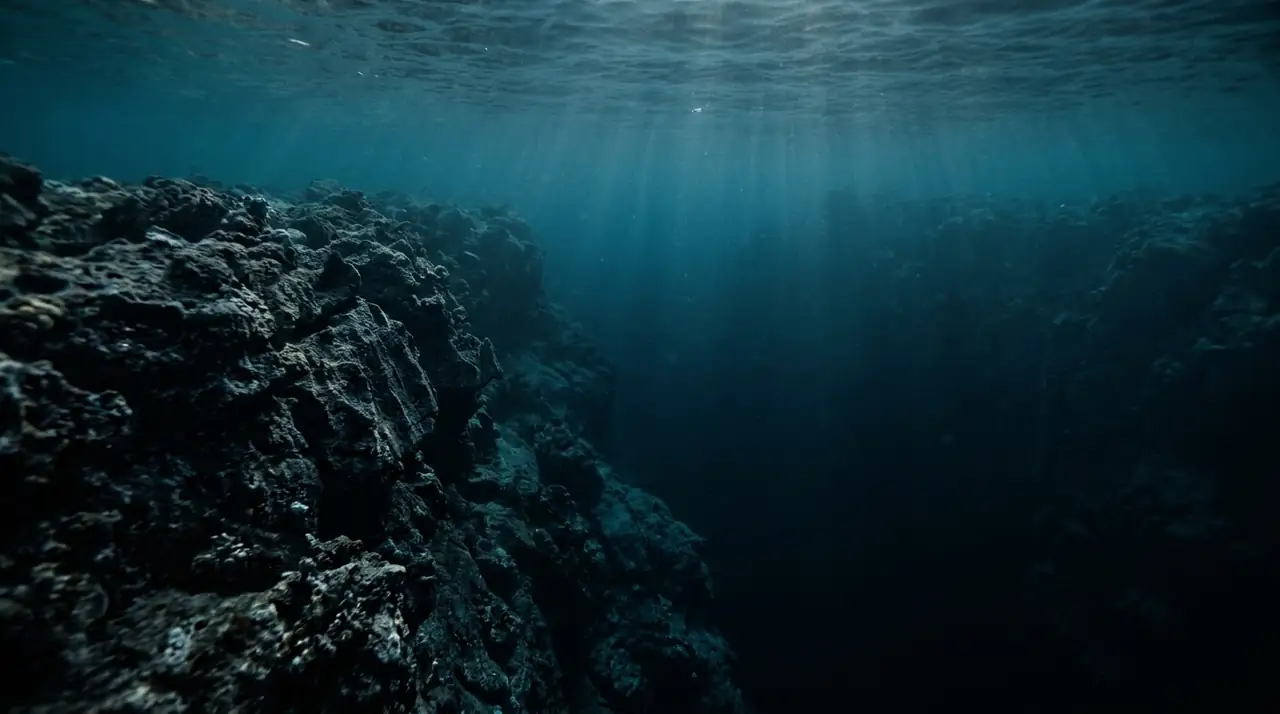
Brbinjscica Bay
Overview
Brbinjscica Bay indents the eastern coast of Dugi Otok, a long, narrow island that forms the outer wall of the Zadar archipelago in the northern Adriatic. The bay is sheltered, deep, and remarkably clear, with underwater visibility that routinely exceeds thirty metres. For divers accustomed to the variable visibility of the Croatian mainland coast, the first descent into Brbinjscica's water is a revelation. The underwater topography is dramatic. The bay's rocky walls continue beneath the surface as steep cliffs, dropping from the waterline to depths of twenty-five to thirty metres. These cliffs are encrusted with life: red and yellow gorgonian sea fans extend from the rock, their polyps expanded in the gentle current. Orange and purple sponges fill crevices. Colonies of golden cup coral cluster on overhangs, and nudibranchs crawl across the surfaces in vivid miniature. Dusky groupers are present in numbers that speak to the absence of spearfishing pressure. These substantial Mediterranean predators occupy caves and ledges along the cliff faces, watching passing divers with calm evaluation. Scorpionfish lie perfectly camouflaged on rocky shelves. Moray eels extend from holes in the cliff face. The sandy areas at the base of the cliffs give way to Posidonia oceanica seagrass meadows, among the healthiest in the northern Adriatic. These underwater prairies are critical nursery habitat for many fish species, and the abundance of juvenile fish darting through the blades testifies to the ecosystem's productivity. Sea bream schools cruise above the seagrass, and octopuses hunt along the meadow edges at dusk. Dugi Otok's diving extends beyond Brbinjscica to the nearby Telascica Nature Park, a dramatic inlet on the island's southern end where sheer cliffs and a saltwater lake create austere beauty both above and below the surface. The combination provides enough dive sites for a week without repetition. The island itself is sparsely populated and deeply quiet, with olive groves, dry stone walls, and a pace of life belonging to a different century. The ferry from Zadar bridges two worlds: the busy Dalmatian coast and this outer island where the Adriatic reveals itself at its clearest.
Early access
Plan a dive here
Open the DiveOne planner to sketch a recreational plan before you go. It is a planning assistant, not a dive computer.
Marine life
Dive profile
DEPTH PROFILE
DEPTH PROGRESSION & WAYPOINTS: Brbinjscica Bay
Location
Frequently asked questions
How do I get to Dugi Otok for diving?
Dugi Otok is accessible by ferry from Zadar, with services running to Brbinj village on the island's eastern coast, which is the closest port to Brbinjscica Bay. The ferry crossing takes approximately one and a half hours. Some dive operators in Zadar offer day-trip boat diving to Dugi Otok sites, departing early morning and returning in the evening. For extended stays, accommodation is available in Brbinj and other villages on the island, though options are more limited than on the mainland. The island has a dive centre that offers guided diving and equipment rental.
What makes Dugi Otok diving special compared to mainland Croatia?
Dugi Otok benefits from its position as an outer island in the Zadar archipelago, exposed to cleaner open Adriatic water that delivers exceptional visibility often exceeding 30 metres. The underwater topography is more dramatic than most mainland sites, with steep cliffs and walls dropping directly into deep water. The island's relatively low population and limited development mean less pollution and fishing pressure, resulting in healthier reef and more abundant marine life. The Telascica Nature Park on the island's southern end adds additional protected dive sites with some of the best underwater scenery in the Croatian Adriatic.
What is the diving season on Dugi Otok?
The diving season on Dugi Otok runs from May through October, with water temperatures ranging from 18 degrees in May to 26 degrees in August. July and August offer the warmest water and calmest conditions, though visibility can occasionally decrease due to plankton. June and September often provide the best balance of warm water and excellent visibility. A five-millimetre wetsuit is recommended for most of the season, with a seven-millimetre suit advisable for May, early June, and October. The Adriatic can produce sudden bura wind events that affect boat operations, but the eastern coast of Dugi Otok is somewhat sheltered from this.
Reviews
Reviews
No reviews yet
Data Provenance
This profile is compiled from 3 operator submissions and 142 community logs. Key facts (depth, entry) are verified against official hydrographic charts.