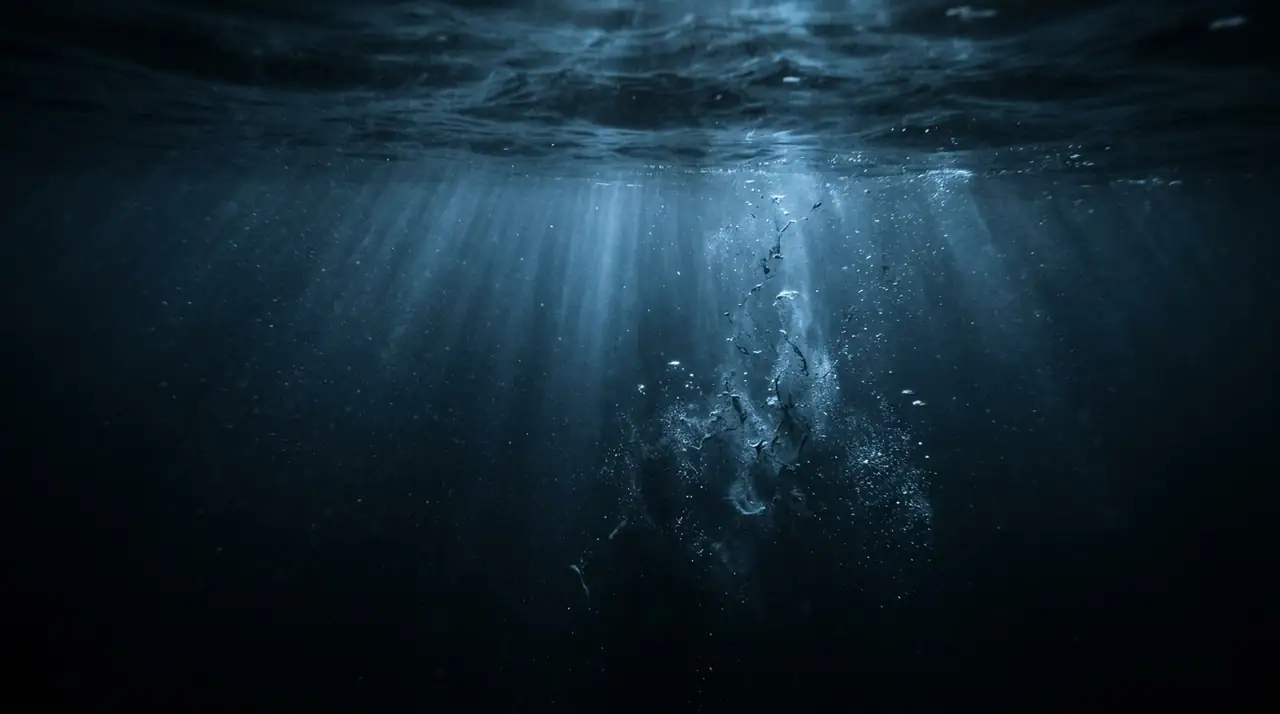
Doubtful Sound
Overview
Doubtful Sound is the second-largest fiord in New Zealand's Fiordland National Park, a glacier-carved waterway penetrating over forty kilometres into the South Island's remote southwest. Receiving over seven metres of rainfall annually, this extraordinary precipitation creates conditions making it one of the most unusual dive sites on Earth. The rain creates a permanent freshwater layer stained dark brown by tannins from the surrounding rainforest. This layer, one to five metres deep, dramatically reduces light penetration, simulating deep-ocean darkness at shallow depths. Species normally requiring conditions found at 200 or more metres thrive here at ten to fifteen metres, within recreational diving range. Descending through the freshwater layer is unlike anything else in diving. Dark, tea-coloured surface water gives way at the halocline to clear seawater of startling visibility. The fiord walls drop vertically, alive with deep-sea organisms. Black coral trees, Antipatharia, are the defining species. Normally inhabiting depths beyond 200 metres, they colonise the walls from ten metres downward, some specimens several hundred years old. Under torch light, their white polyps create the effect of an ancient, ghostly forest growing from sheer rock. The invertebrate community is astonishing. Red corals, sea pens, brachiopods, and snake stars coat the walls. The Jason mirabilis nudibranch, found only in Fiordland, feeds on hydroids on lower wall sections. Every surface is colonised, creating density rivalling tropical reefs in biomass. Above water, bottlenose dolphins investigate dive boats, Fiordland crested penguins nest along the shoreline, and fur seals haul out at the fiord entrance. Reaching Doubtful Sound requires a boat crossing of Lake Manapouri and a coach over Wilmot Pass. This isolation preserves the pristine conditions that make the diving extraordinary.
Early access
Plan a dive here
Open the DiveOne planner to sketch a recreational plan before you go. It is a planning assistant, not a dive computer.
Marine life
Dive profile
DEPTH PROFILE
DEPTH PROGRESSION & WAYPOINTS: Doubtful Sound
Location
Frequently asked questions
What is the freshwater layer in Doubtful Sound and how does it affect diving?
Doubtful Sound receives extremely high rainfall, over seven metres annually, which creates a permanent layer of tannin-stained freshwater sitting on top of the denser salt water below. This dark freshwater layer, typically one to five metres deep, dramatically reduces light penetration into the salt water beneath, simulating deep-ocean conditions at shallow depths. Species that normally live in the deep sea, particularly black corals, thrive at 10 to 15 metres because the darkness mimics their natural deep-water habitat. For divers, descending through the dark freshwater layer into the clear salt water below is a disorienting but fascinating transition.
How do I arrange diving in Doubtful Sound?
Diving in Doubtful Sound requires significant logistical planning. The sound is inaccessible by road and must be reached by boat across Lake Manapouri followed by a coach ride over Wilmot Pass. Only a handful of operators offer diving trips, typically as part of multi-day liveaboard-style overnight cruises on the sound. These trips combine diving with above-water wildlife experiences including dolphins, penguins, and fur seals. Advance booking is essential, particularly during the peak season from December through March. The nearest town is Te Anau, approximately a two-hour drive from Queenstown.
How does Doubtful Sound compare to Milford Sound for diving?
Doubtful Sound is considerably larger, more remote, and less visited than Milford Sound, which has road access. Both fiords share the unique freshwater layer phenomenon that brings deep-water species to accessible depths, but Doubtful Sound's greater isolation means less disturbance to marine life and generally more pristine conditions. Milford Sound has more established dive operations and is easier to access as a day trip. Doubtful Sound typically requires an overnight commitment but rewards with a more wilderness-oriented experience. Many serious divers consider Doubtful Sound the superior diving destination of the two.
Reviews
Reviews
No reviews yet
Data Provenance
This profile is compiled from 3 operator submissions and 142 community logs. Key facts (depth, entry) are verified against official hydrographic charts.