Doljo Point
Overview
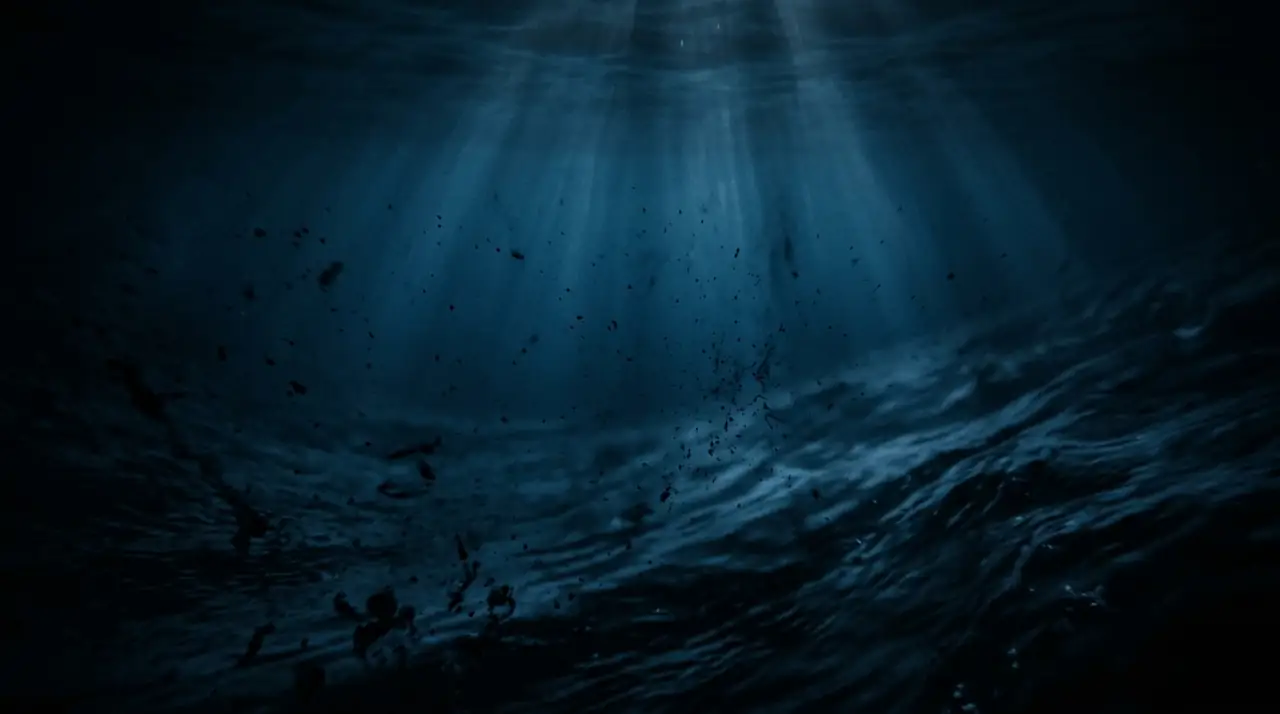
Doljo Point is Panglao Island's premier big-fish wall dive, a dramatic headland on the northwestern tip where the Bohol Sea's deep-water currents slam into a coral-encrusted cliff face and bring the open ocean's residents within arm's reach of recreational divers. While Bohol's diving reputation rests largely on the gentle reefs of Balicasag and the whale sharks of Anda, Doljo Point offers something rawer and more unpredictable: a current-swept wall where grey reef sharks patrol, hammerheads appear in season, and the adrenaline of genuine big-animal diving exists just 30 minutes from Alona Beach. The point juts into the Bohol Sea where the channel between Panglao and Cebu funnels water from the Sulu Sea. This compression creates currents that can run from mild to powerful depending on tidal phase, and it is during the stronger flows that the point comes alive. The wall itself begins at a coral-covered reef crest at 5 metres and drops in a steep slope to beyond 40 metres, its face decorated with massive gorgonian fans, barrel sponges, and healthy hard coral in the shallower sections. Descending along the wall with the current, grey reef sharks appear first, typically groups of three to eight animals patrolling the wall edge at 20 to 30 metres. Their presence is year-round and consistent, making Doljo one of the most reliable shark dives in the Central Visayas. Whitetip reef sharks rest in sandy channels cut into the wall, and green turtles of considerable size glide along the reef crest above. The hammerhead season from December through February transforms Doljo Point from excellent to extraordinary. Cold upwellings from the Bohol Sea's deeper layers push scalloped hammerheads from their normal abyssal habitat into recreational depth range. Schools of three to twelve animals have been documented, typically at 25 to 35 metres, their distinctive silhouettes unmistakable against the blue water. Early morning dives on incoming tides produce the best chances. Beyond the sharks, the point's exposed position attracts schools of big-eye trevally that form swirling balls above the wall crest. Giant trevally hunt along the current-facing edges, and Napoleon wrasse of impressive size hold position in the lee of large coral formations. Barracuda schools occasionally stretch across the entire field of vision. Doljo Point rewards those who respect the ocean's power. Currents here can shift rapidly, and the exposed position means no shelter from sudden changes. But for advanced divers seeking the visceral thrill of sharks and current-swept walls, this is Bohol's finest offering.
Early access
Plan a dive here
Open the DiveOne planner to sketch a recreational plan before you go. It is a planning assistant, not a dive computer.
Marine life
Dive profile
DEPTH PROFILE
DEPTH PROGRESSION & WAYPOINTS: Doljo Point
Location
Frequently asked questions
Where is Doljo Point and how do I get there?
Doljo Point is located on the northwestern tip of Panglao Island, connected by bridge to the main island of Bohol. Most divers base themselves at the resorts along Alona Beach on Panglao's southern coast, from where dive operators run boat trips to Doljo Point in approximately 30 to 40 minutes. Flights arrive at Bohol-Panglao International Airport, just minutes from the dive resort area.
What experience level is needed for Doljo Point?
Advanced Open Water certification is the minimum requirement, and experience with current diving is essential. The point creates accelerating currents as water from the Bohol Sea is compressed around the headland. Down-currents are possible along the wall face. Most operators require divers to demonstrate competence at other local sites before taking them to Doljo Point. A surface marker buoy is mandatory.
When is the best time to see hammerheads at Doljo Point?
Hammerhead shark sightings are most frequent from December to February when cooler deep water from the Bohol Sea pushes upward at the point, bringing deep-dwelling hammerheads to recreational diving depths. Sightings are not guaranteed and require early morning dives with favorable current conditions. Groups of 3 to 12 scalloped hammerheads have been documented, typically at depths of 25 to 35 metres beyond the wall edge.
Reviews
Reviews
No reviews yet
Data Provenance
This profile is compiled from 3 operator submissions and 142 community logs. Key facts (depth, entry) are verified against official hydrographic charts.