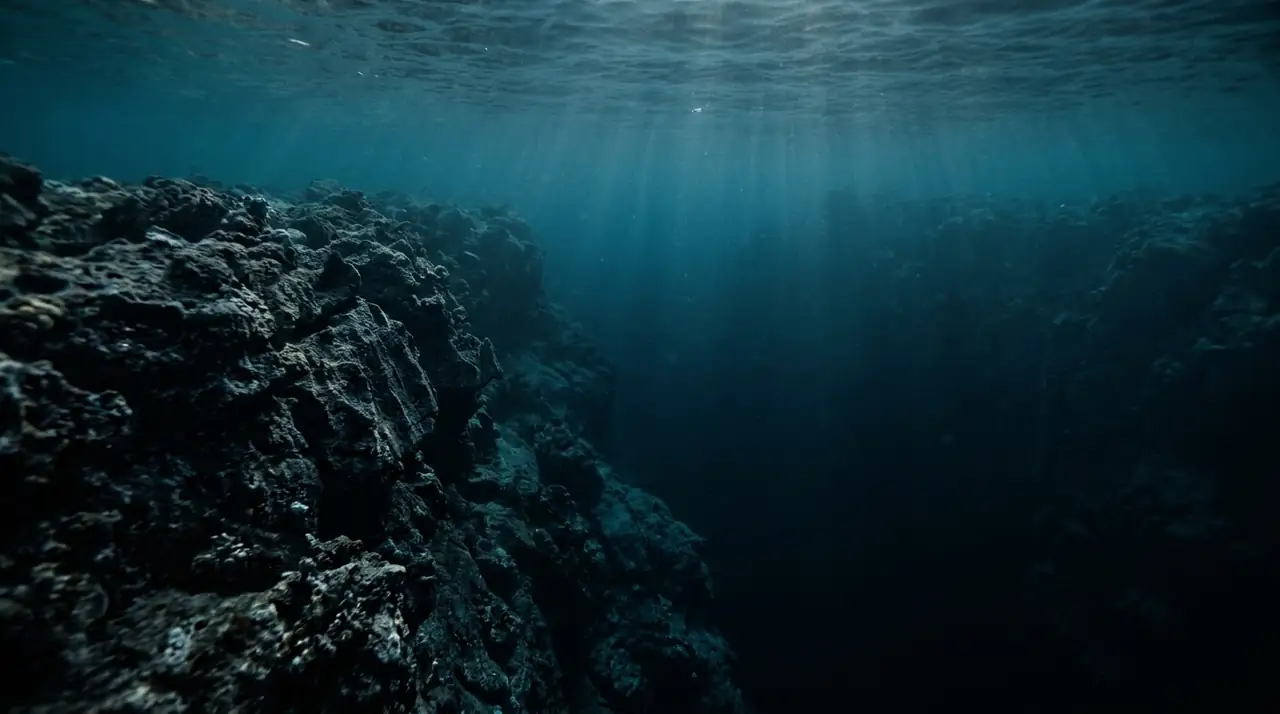
Dokdo / Ulleungdo Approach
Overview
Ulleungdo rises from the East Sea like a volcanic fortress, its steep basalt cliffs plunging into deep water roughly 120 kilometres off Korea's east coast. This is Korea's most remote inhabited island, and the diving around its flanks toward the Dokdo islets ranks among the most dramatic and least explored in Northeast Asian waters. The volcanic geology delivers extraordinary underwater topography. Columnar basalt formations, hexagonal pillars formed by slowly cooling lava, create walls that look architecturally designed. These columns extend from the surface beyond recreational depths, draped in kelp and encrusted with invertebrate life, like diving alongside the pipes of a colossal organ. The East Sea waters here are among Korea's clearest. When oceanic currents run clean, visibility reaches thirty metres, and the deep saturated blue reflects ocean depths exceeding two thousand metres just kilometres from shore. Pelagic life defines the experience. Schools of yellowtail amberjack sweep along the walls in formations numbering hundreds, silver bodies catching light as they turn in unison. Sea bass hold position in crevices, squid hover in midwater during summer. The most extraordinary encounters involve northern fur seals that haul out on rocky islets and occasionally investigate divers with playful curiosity. The kelp forests are among Korea's finest. Dense stands of Saccharina and Undaria create an underwater canopy sheltering juvenile fish and invertebrates. Abalone and sea cucumber populations remain healthy due to remoteness and the haenyeo tradition of female free divers still practised here. Currents are the primary challenge at outer sites. Drift diving is standard, with boats following surface markers. The approach toward Dokdo intensifies conditions with open ocean currents and unpredictable surge, rewarding advanced divers with the highest probability of pelagic encounters.
Early access
Plan a dive here
Open the DiveOne planner to sketch a recreational plan before you go. It is a planning assistant, not a dive computer.
Marine life
Dive profile
DEPTH PROFILE
DEPTH PROGRESSION & WAYPOINTS: Dokdo / Ulleungdo Approach
Location
Near Ulleungdo, in the Gyeongsangbuk-do region of South Korea.
Frequently asked questions
Can divers actually reach Dokdo for diving?
Diving directly at Dokdo is extremely restricted and requires special permits from Korean authorities, which are rarely granted for recreational purposes. However, the waters around Ulleungdo and the approach route toward Dokdo offer excellent diving that is more practically accessible. Ulleungdo itself has several dive operators running boat dives to the surrounding islets and volcanic formations. The outer dive sites toward the southeast experience similar oceanic conditions to Dokdo, with clean East Sea water, strong currents, and pelagic marine life. Most international divers focus on Ulleungdo's established sites.
What is the best season for diving around Ulleungdo?
The diving season around Ulleungdo runs from July through October, with August and September offering the best combination of water temperature, visibility, and marine life activity. Water temperatures during peak season reach 20 to 24 degrees Celsius on the surface, though thermoclines can drop temperatures significantly at depth. Visibility is generally best in late summer when plankton blooms subside and oceanic currents bring clearer water. Ferry services from the mainland run more frequently during summer months, and dive operators are fully staffed. Winter diving is theoretically possible but impractical due to cold temperatures, rough seas, and reduced ferry schedules.
How do I get to Ulleungdo?
Ulleungdo is reached by ferry from several ports on Korea's east coast, primarily Pohang, Donghae, and Mukho. The crossing takes two to three hours by fast ferry. There is no airport on Ulleungdo. Ferry schedules can be affected by weather, particularly during typhoon season, so flexibility in travel plans is advisable. On the island, accommodation ranges from guesthouses to small hotels, and rental scooters or taxis provide transportation. Dive operators are concentrated in Dodong and Jeodong ports on the island's southeast coast.
Reviews
Reviews
No reviews yet
Data Provenance
This profile is compiled from 3 operator submissions and 142 community logs. Key facts (depth, entry) are verified against official hydrographic charts.